Certainly Wood Logs Review: What the 20% Actually Buys
Any honest Certainly Wood logs review has to start with an awkward fact, because it reframes the whole question. Since May 2021 in England, it has been illegal to sell wood in volumes under 2m³ unless it is certified Ready to Burn, meaning below 20% moisture content. So “under 20% moisture” is not a selling point. It is the legal minimum, and every compliant bag in every garage forecourt meets it.
Which means the premium you pay for Certainly Wood is buying something other than dryness. It is worth being precise about what.
Who they are
Certainly Wood is a family business founded in Herefordshire in 2006, and describes itself as the UK’s largest supplier of 100% British kiln dried logs, sourcing hardwood from within roughly a 100-mile radius. They were a founding member of the Woodsure Ready to Burn scheme that later became the legal standard.
That last point matters for how you read the brand. They were part of writing the rules rather than catching up with them, which is a reasonable proxy for how seriously the process is taken.
What you actually get
The range is unusually granular for firewood, and this is the real differentiator.
Most suppliers sell “kiln dried hardwood”, which is whatever the yard had. Certainly Wood sells single-species:
| Product | What it is | Best for |
|---|---|---|
| 100% ash | The traditional first choice for firewood | Steady, reliable heat, lights readily |
| 100% oak | Dense, slow-burning | Long burns, overnight, banked fires |
| 100% silver birch | Lights easily, bright lively flame | Getting going, and open fires where you want to watch it |
| Mixed hardwood | Oak, ash and silver birch blend | General use, the default |
They also sell kindling, Flamers natural firelighters, BBQ and smoking chunks, pizza oven sticks and log storage.
Moisture content is stated as below 20%, the Ready to Burn threshold, with an average around that figure.
The honest case for paying more
If the moisture rules are the same for everyone, what is the premium for?
Consistency. This is the strongest argument, and the hardest to see in a photograph. Cheap kiln dried logs are frequently right at the 20% line rather than comfortably under it, and vary bag to bag. The practical difference shows up in how quickly the stove settles, how clean the glass stays and how much you use in an evening.
Single species, which is genuinely useful. Being able to buy oak specifically, for a long evening burn, and birch specifically, for getting going, is control you cannot exercise with a mixed load. If you run a stove most nights through winter, that is worth real money. If you light a fire six times a year, it is not.
Consistent log size. Sounds trivial, is not. Logs that fit your firebox without wrestling, and stack without gaps, change the experience more than the species does. This is where cheap loads most often disappoint: three good logs and one that will not go in.
No wet surprises. Sub-20% is the law, but enforcement is patchy and the wood is only as dry as it was when it was certified. A brand with a decade of Feefo service awards and its own kilns has more to lose from a bad batch than an unbranded pallet does.
The honest case against
It is expensive per unit of heat. Kiln dried logs of any brand are among the dearest ways to buy wood energy, because you are paying for the drying. If cost per kWh is what you care about, briquettes and heat logs beat any loose log, including this one. Our guide to the best wood briquettes sets that out.
Delivery format drives the value. Small boxes and nets are convenience pricing. Bulk crates and large bags are where the arithmetic gets reasonable. Buying premium logs in small quantities is the most expensive way to heat a room in Britain.
“100% British” is an ethical premium, not a performance one. It is a genuinely good reason to buy, and it is not going to burn hotter for it. Be clear about which reason you are paying for.
You can do this yourself for far less. Seasoning your own wood properly to under 20% takes 18 to 24 months, a dry airy stack and patience. It costs a fraction as much. If you have the space and the foresight, seasoning your own firewood under 20% is the cheapest good wood there is.
How to check any supplier, including this one
Do not take a moisture claim on trust, including from a premium brand. Buy a moisture meter, split a log, and test the freshly exposed inner face, not the outside. The outside of any log stored outdoors reads dry after a sunny afternoon and tells you nothing.
Two other checks worth making on delivery:
- Look for the Ready to Burn logo with a certification number. Under the regulations, wood sold in volumes under 2m³ must carry the approved logo, supplier details and a unique certification number. Its absence is not a minor labelling slip, it is a compliance failure.
- Weigh a bag if you can. Dry wood is light for its size. A bag that feels surprisingly heavy is carrying water you are paying for and will not burn.
Note the volume threshold, because it is exploited. Wood sold at 2m³ and above is exempt from certification and can legally be sold wet, with drying advice attached. If you are buying a big bulk load and the price looks remarkable, check whether you are buying seasoned wood or a two-year drying project.
The verdict
Certainly Wood is a genuinely good product sold at a genuine premium, and whether that premium makes sense depends entirely on how you burn.
Buy it if you use a stove regularly through winter, you want to choose species by purpose, you value predictable log size, and you are buying in crates or bulk bags rather than boxes. The single-species option is the thing no budget supplier matches.
Do not buy it if you are chasing the lowest cost per kWh, in which case briquettes win, or if you have the space and patience to season your own, in which case nothing beats that on price. And if you light a fire occasionally at Christmas, any compliant Ready to Burn bag will do the job at a fraction of the cost.
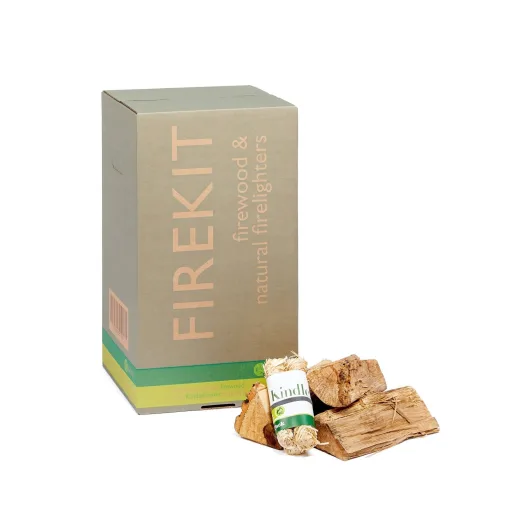
If you want to try it before committing to a bulk delivery, the boxed kit with firelighters is the low-commitment way in, and it is the format sold on Amazon UK.
For where this sits against the rest of the market, see our comparison of the best kiln dried logs in the UK, and if you are still deciding between wood formats entirely, the Ready to Burn rules is the place to start, and how to use a moisture meter covers the check above properly.
Frequently asked questions
Are Certainly Wood logs worth the money? For regular stove users, yes, mainly for consistency and the ability to buy single species such as pure oak or pure birch. For occasional users, the premium is hard to justify, because every log sold in England in volumes under 2m³ must already be certified below 20% moisture by law.
What moisture content are Certainly Wood logs? Below 20%, which is the threshold required by Defra’s Ready to Burn scheme. The company was a founding member of the Woodsure scheme that became the legal standard, and states an average moisture content around that figure across the range.
Which Certainly Wood species should I buy? Oak for long, slow burns and banking a fire overnight, because it is the densest. Silver birch for lighting up and for a bright, lively flame. Ash as the reliable all-rounder. Mixed hardwood is the sensible default if you do not want to think about it.
Is all firewood sold in the UK under 20% moisture? In England, wood sold in volumes under 2m³ must be certified Ready to Burn at below 20% moisture, and must display the logo, supplier details and a certification number. Wood sold at 2m³ and above is exempt and can be sold wet with seasoning advice, which is where cheap bulk loads often come from.
How do I check my logs are actually dry? Split a log and test the freshly exposed inner face with a moisture meter. Testing the outside is meaningless, because the surface of any log stored outdoors dries out quickly and rewets just as fast. Dry wood is also noticeably light for its size.
Are kiln dried logs cheaper than briquettes? No. Per unit of heat, compressed briquettes and heat logs are consistently cheaper than loose kiln dried logs of any brand, because you are not paying to dry and transport water or air gaps. Logs win on the fire you actually get to look at.
Want the seasoning calendar and our log-price watch in your inbox?
Join the Kindling List