Moisture Meters
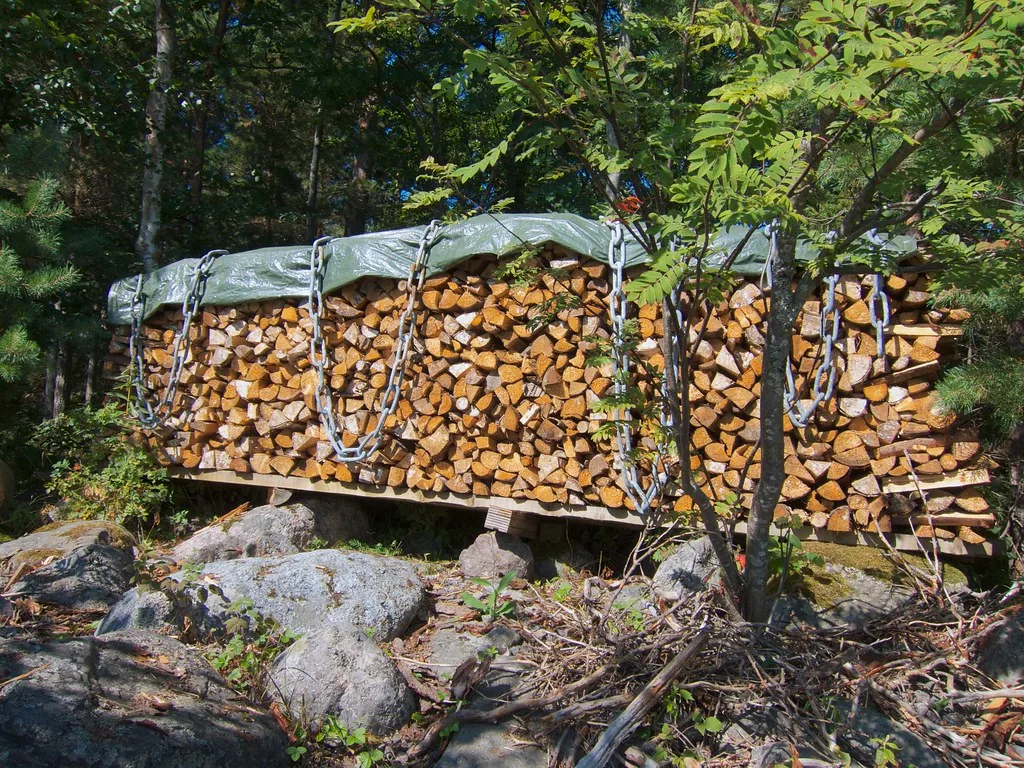
How to Season Firewood to Under 20% Moisture
How to season firewood to under 20% moisture at home: splitting, stacking and storing logs the right way, plus how to check them with a moisture meter.
Read guide
Straight-talking UK guidance on seasoning firewood, choosing a log splitter and running a clean, efficient wood-burning stove. Tested kit, real numbers, no nonsense.

How to season firewood to under 20% moisture at home: splitting, stacking and storing logs the right way, plus how to check them with a moisture meter.
From moisture meters to multi-fuel stoves, here is what we test, recommend and warn you about.
How to season firewood to under 20% moisture at home: splitting, stacking and storing logs the right way, plus how to check them with a moisture meter.
Read guide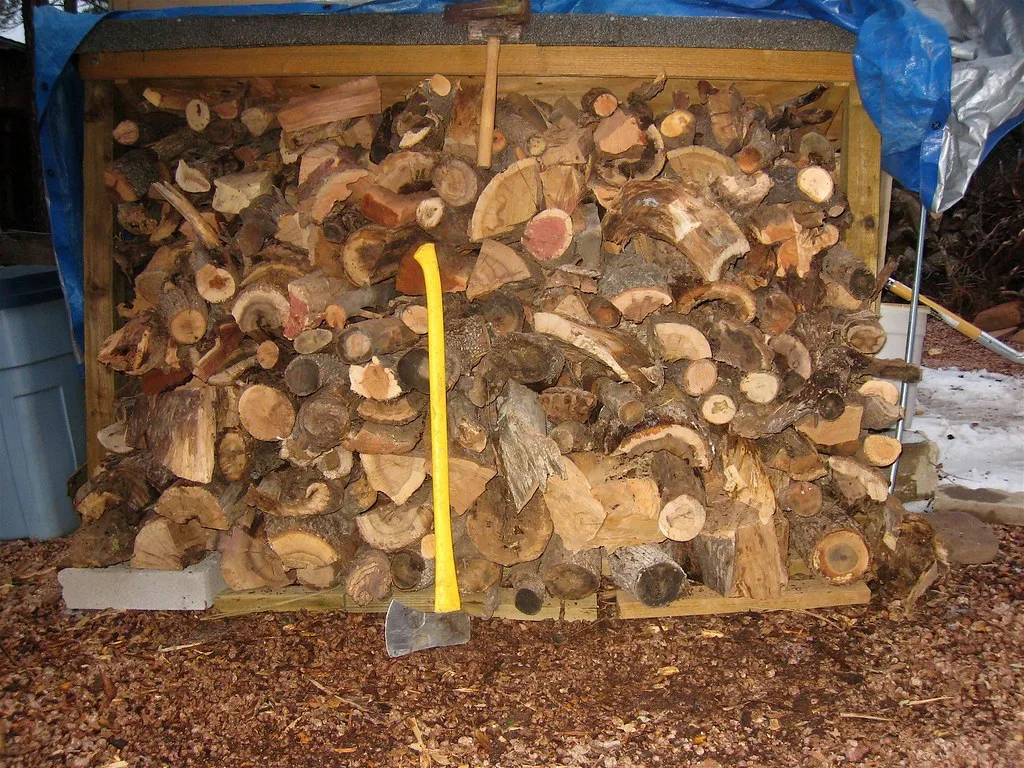
How to use a moisture meter on firewood correctly: split the log, test the fresh inner face, take several readings, and read under 20% before you burn.
Read guide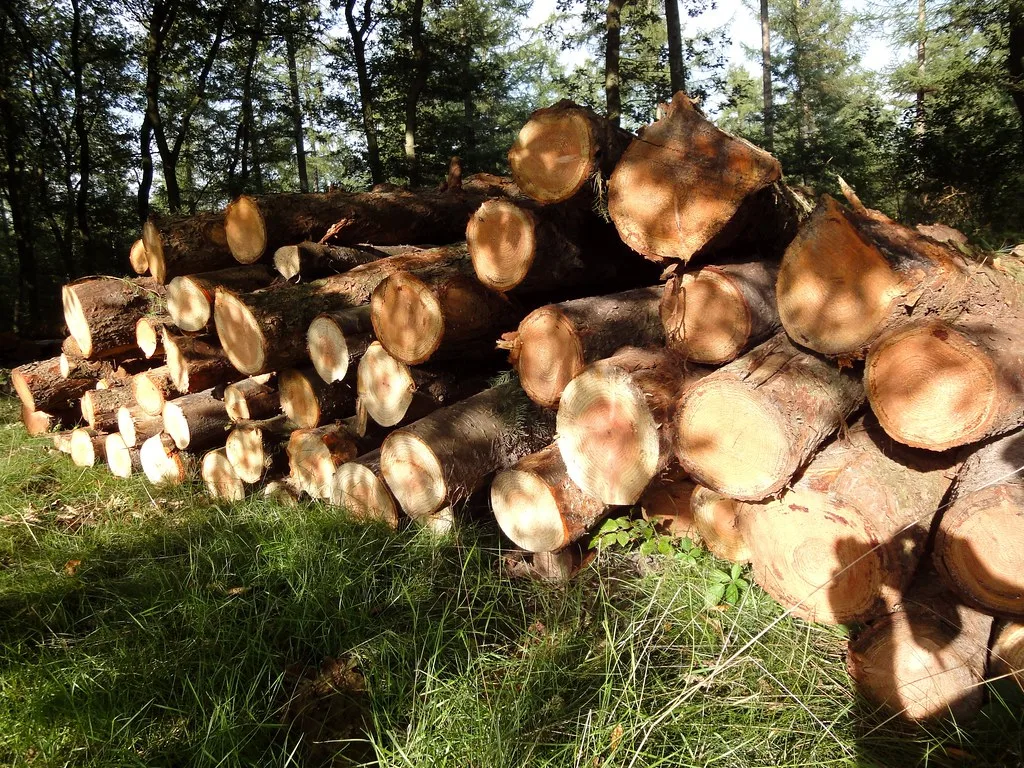
If your firewood moisture meter is reading too high, the wood is often drier than it says. The common mistakes that inflate readings, and how to test correctly.
Read guide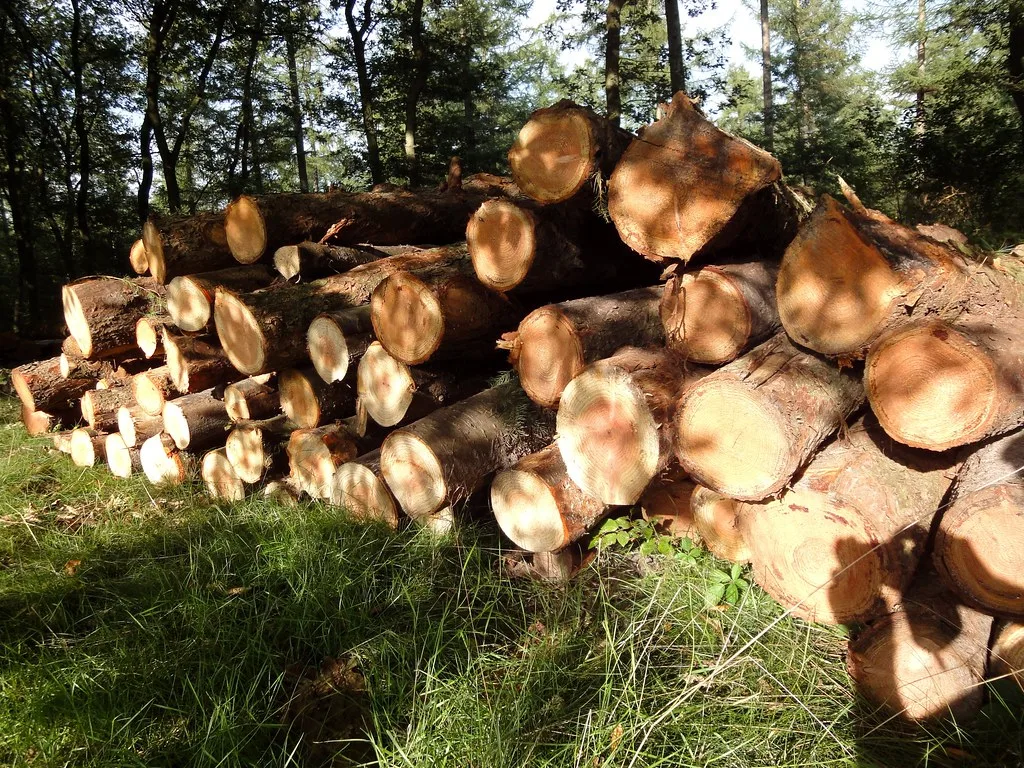
What moisture should firewood be to burn well? Below 20%, and ideally 10-20%. Here is why that number matters, the law behind it, and how to check yours.
Read guide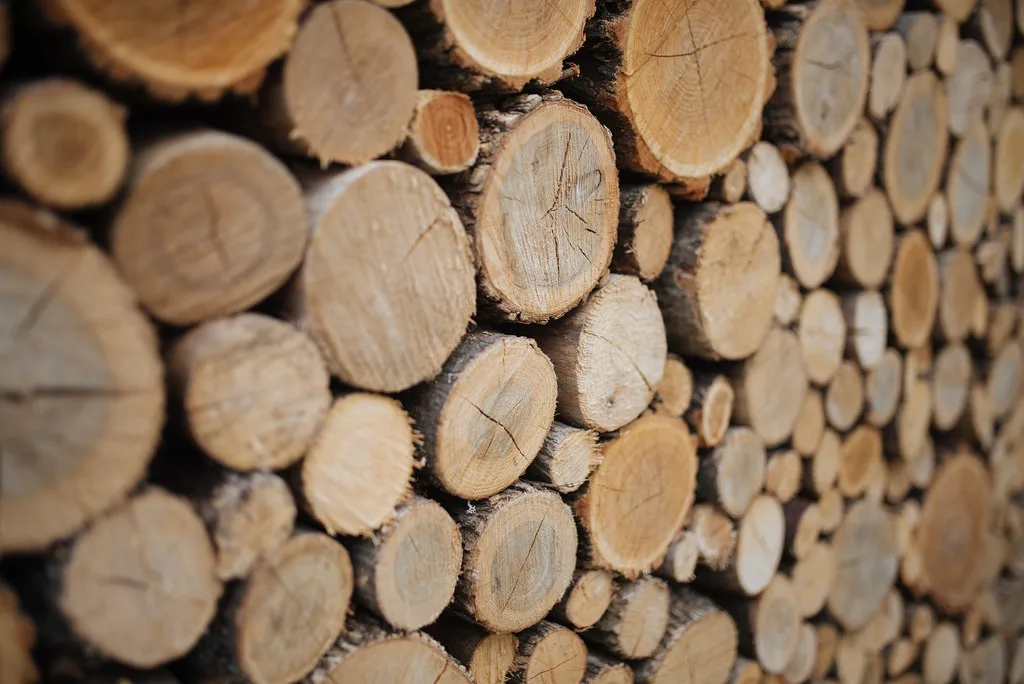
Ready to Burn firewood rules from the regulations: the 20% limit, the 2m³ split, why certification is sample-based, and the £175 to £300 smoke penalties.
Read guide
Free flue liner size calculator: enter your stove's fuel type and outlet size to get the recommended liner diameter in mm and inches, plus how many metres of flexible liner to order from your chimney height.
Read guide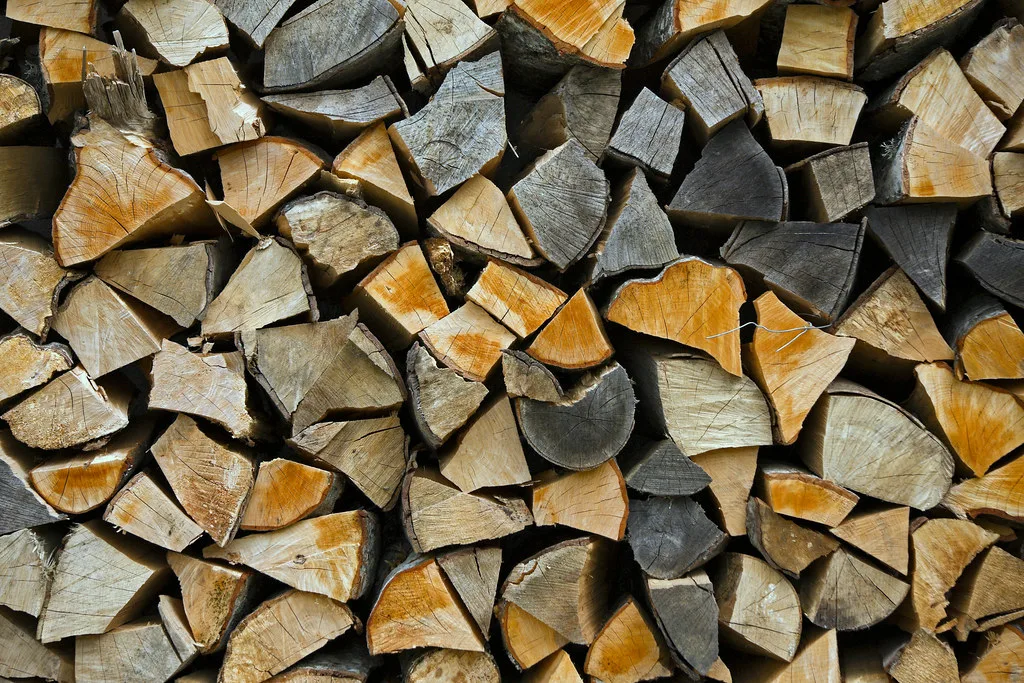
The best kiln-dried logs UK buyers can order by box or net, from Certainly Wood and Lekto to Ecoblaze, all Ready to Burn certified under 20% moisture.
Read guide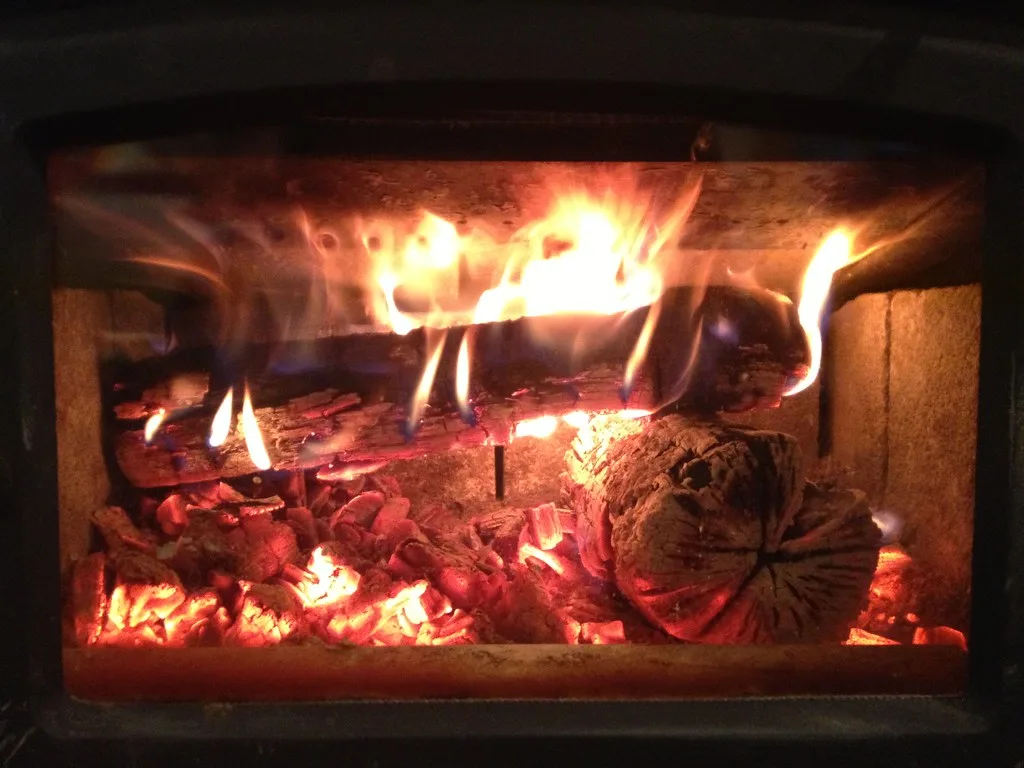
The best wood briquettes in the UK: sawdust, RUF and Pini Kay heat logs and night briquettes compared on heat, burn time and value, with the brands to buy.
Read guide
Night briquettes burn up to 8 hours when 2 or 3 go on a low stove. The full spec, what a night costs (about £3 to £4.50), and the method that gets the burn.
Read guide
Free converter for UK firewood: turn a cubic metre, dumpy bag, net or barrow load into every other unit, and see the loose vs stacked difference before you pay.
Read guide
Lekto Sawdust Briquettes review: under 9% moisture, 5.1 kWh/kg, about two hours a briquette. Where they beat kiln-dried logs, and where they do not.
Read guideOur Lekto Night Briquettes review: 100% softwood bark, 4.5 kWh/kg, and why some people get eight hours overnight and others get four. The technique decides.
Read guide
The best electric log splitters in the UK, picked by job: seasoned softwood, hardwood rounds and stove-length logs. Real models, honest limits.
Read guideEcoblaze RUF fire blocks review: 12 blocks in a 10kg bag, under 12% moisture, about an hour of flame each. How they burn and where they are actually stocked.
Read guide
Ecoblaze kiln dried logs review: Ready to Burn certified under 20% moisture, but sold by the litre in small nets, and the species changes between packs.
Read guide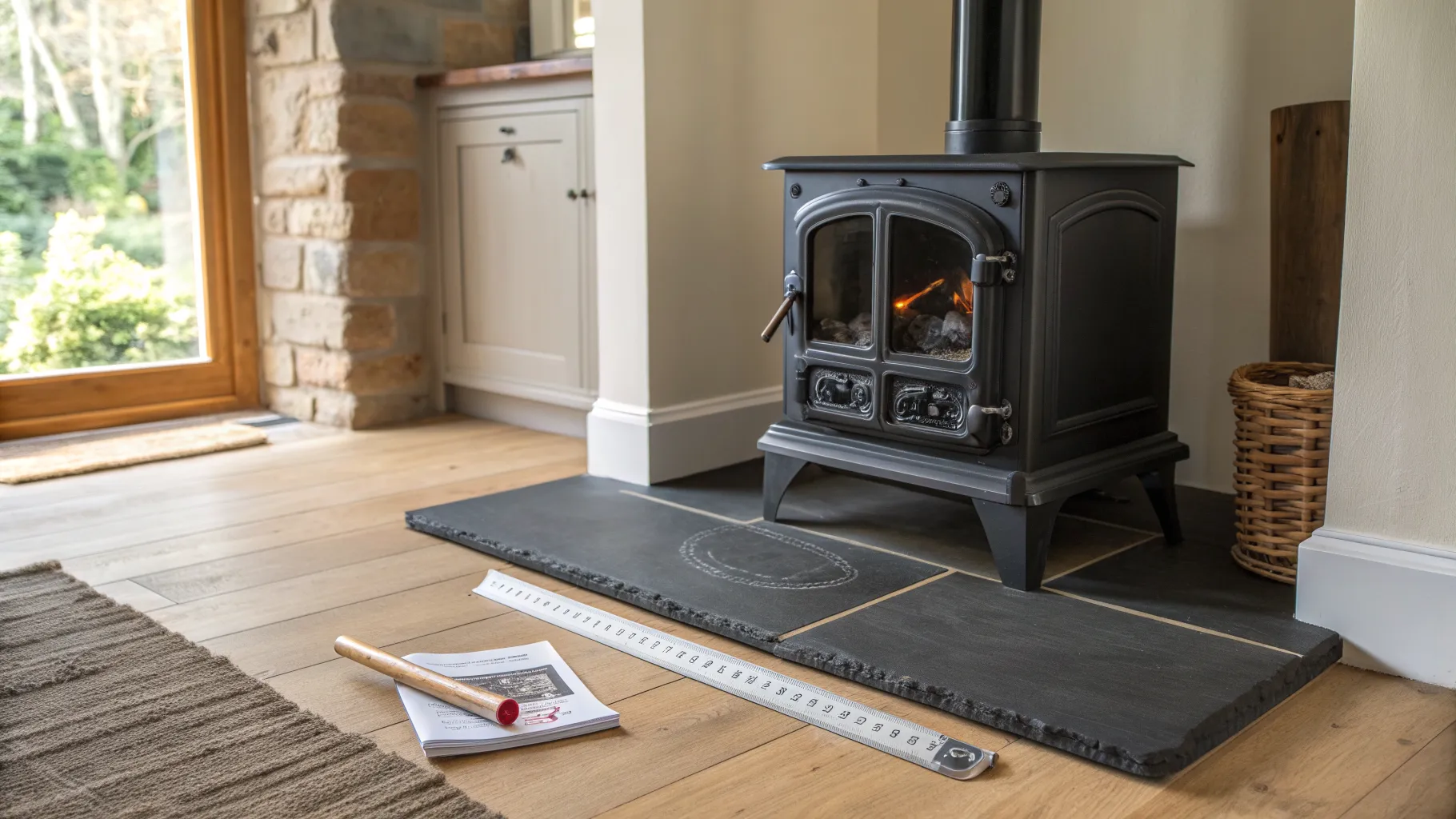
Enter your stove size and get the hearth width, depth and thickness Building Regs ask for: 150mm each side, 225mm in front, 840 x 840mm minimum overall.
Read guideA Certainly Wood logs review that starts with the law: under 2m³, every log sold must already be under 20% moisture. So what is the premium actually for?
Read guide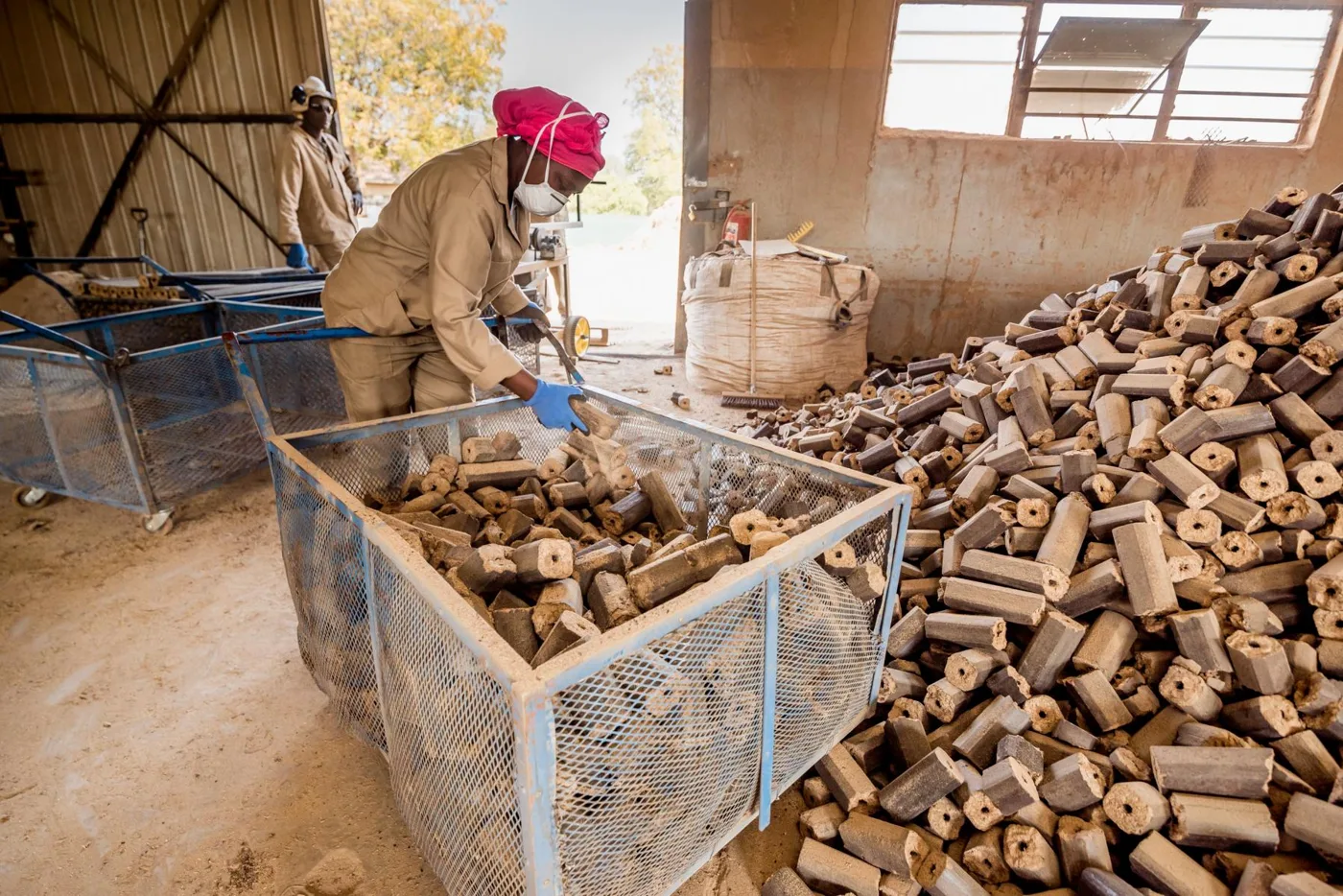
Kiln-dried logs vs wood briquettes compared on heat, moisture, ash and storage: 4.0 against 4.9 kWh per kg, and which one your stove actually wants.
Read guideLekto vs Ecoblaze briquettes: Lekto publishes 5.15 kWh/kg and a Ready to Burn number per product, Ecoblaze does not. Which range suits which stove.
Read guide
Buying firewood in bulk vs Amazon: a net has no legal size, so compare energy. Plus the two cubic metre rule that decides what must be certified dry.
Read guide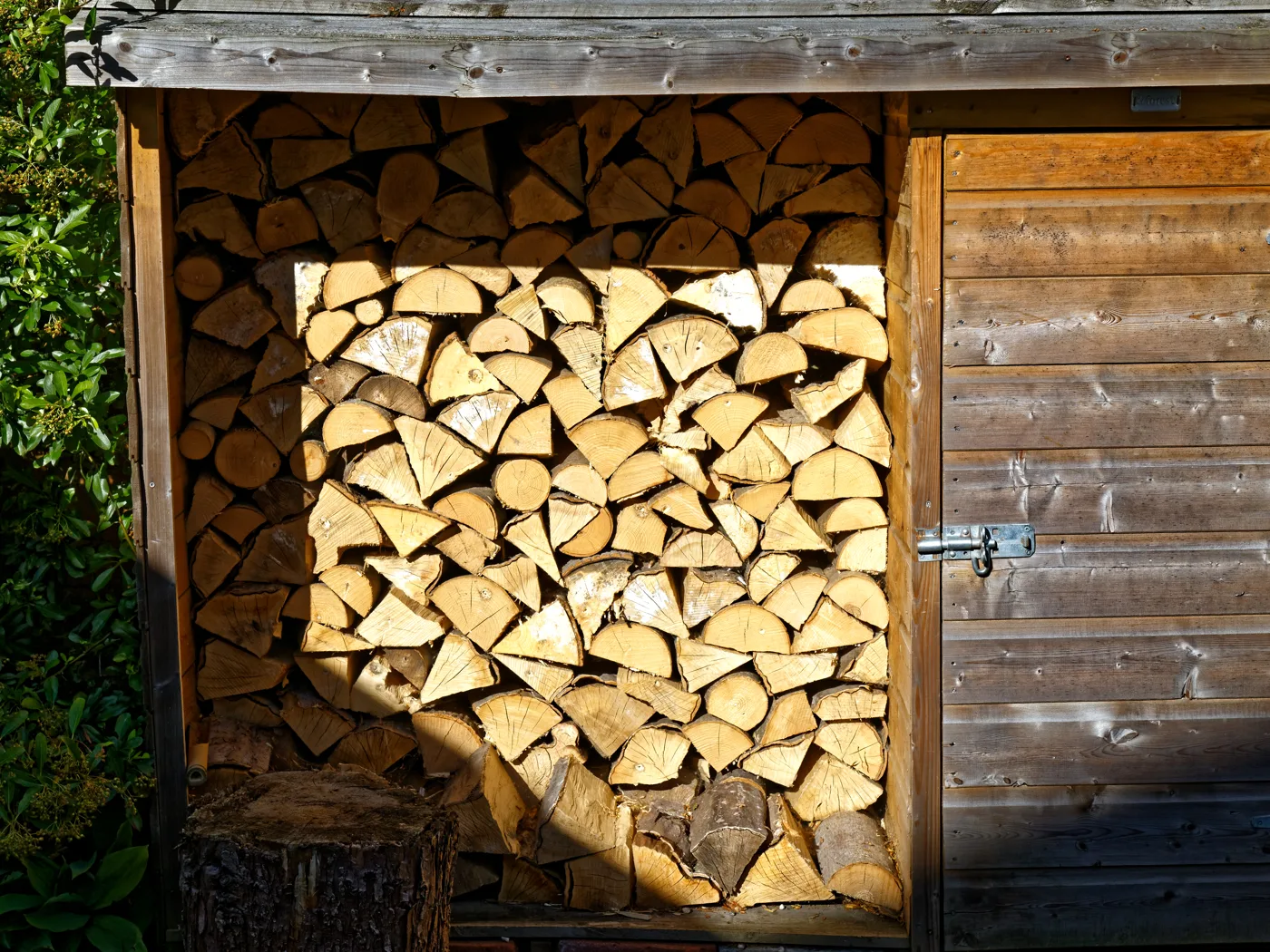
The best wood to burn is not the species everyone argues about. Oak, ash, beech, birch and hornbeam compared, and what really decides your heat.
Read guide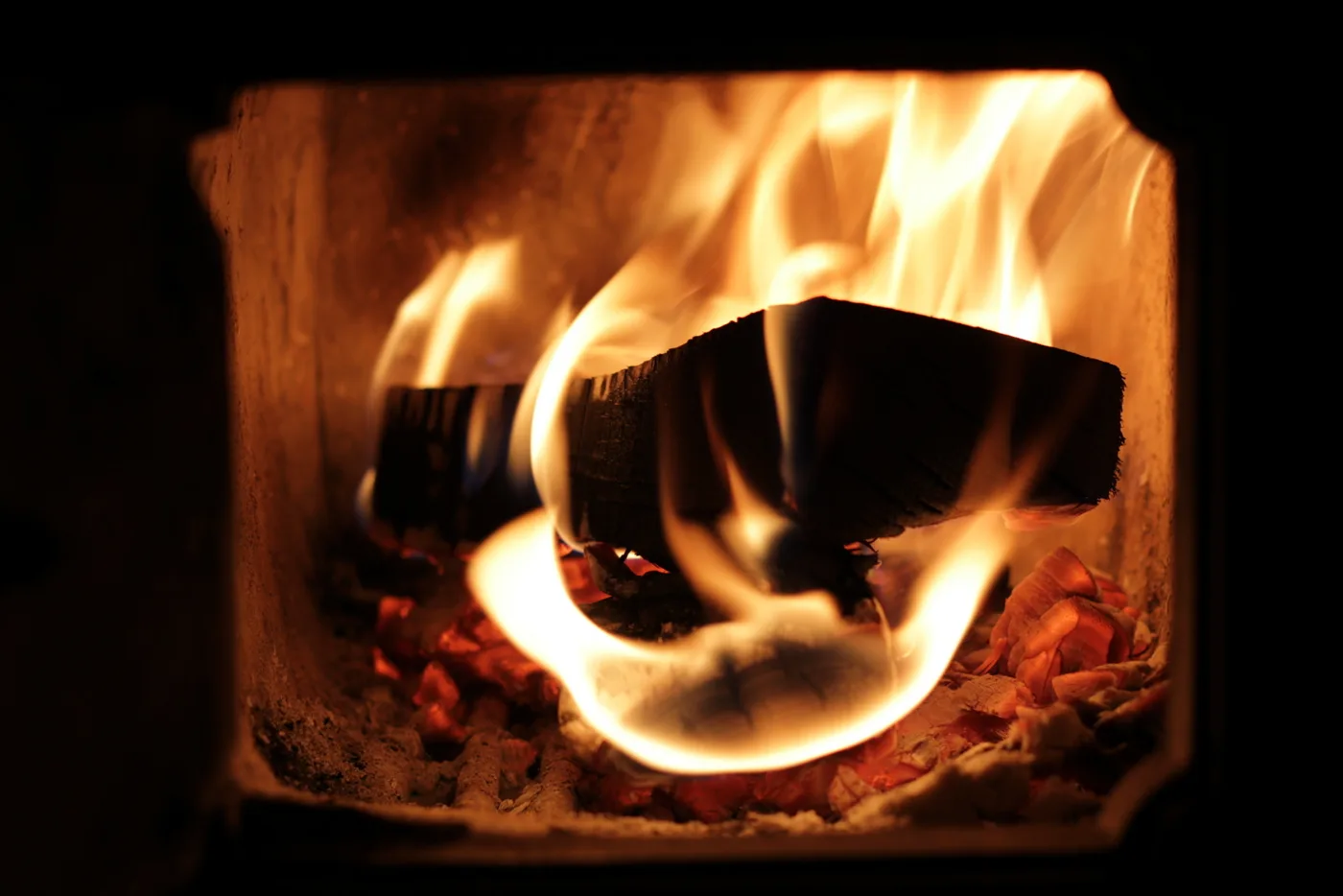
How to keep a wood burner in overnight the way the manuals actually say it: 30 minutes on big logs first, the smoke control catch, and why Stovax says no.
Read guideBriquettes will not light the way split logs do. The method that works, the load limit your stove maker sets, and why the top-down advice fails on heat logs.
Read guide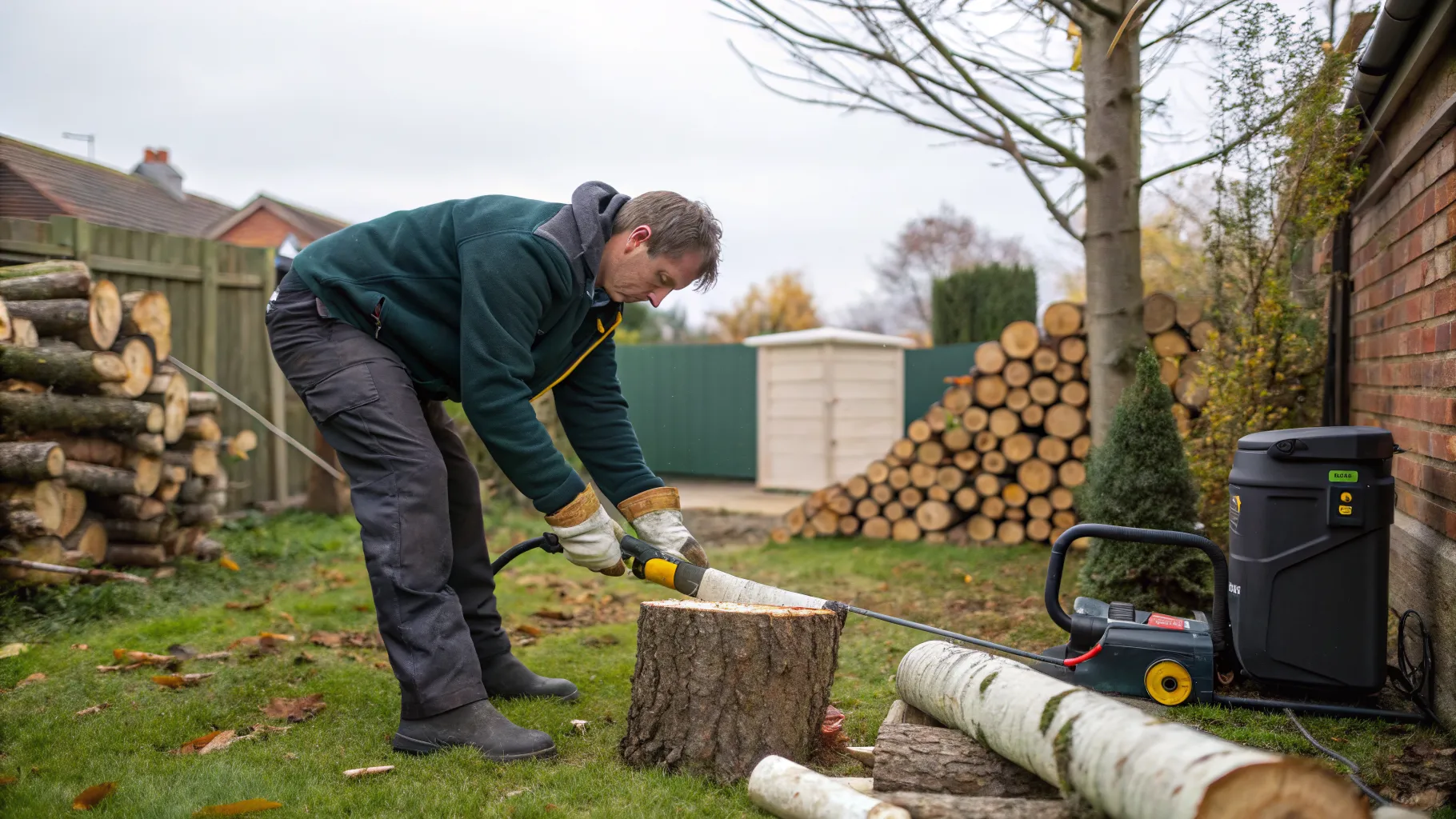
A UK sizing guide for log splitter tonnage: match wood type and log diameter to the right force, and see which households need 8 tonnes or more.
Read guide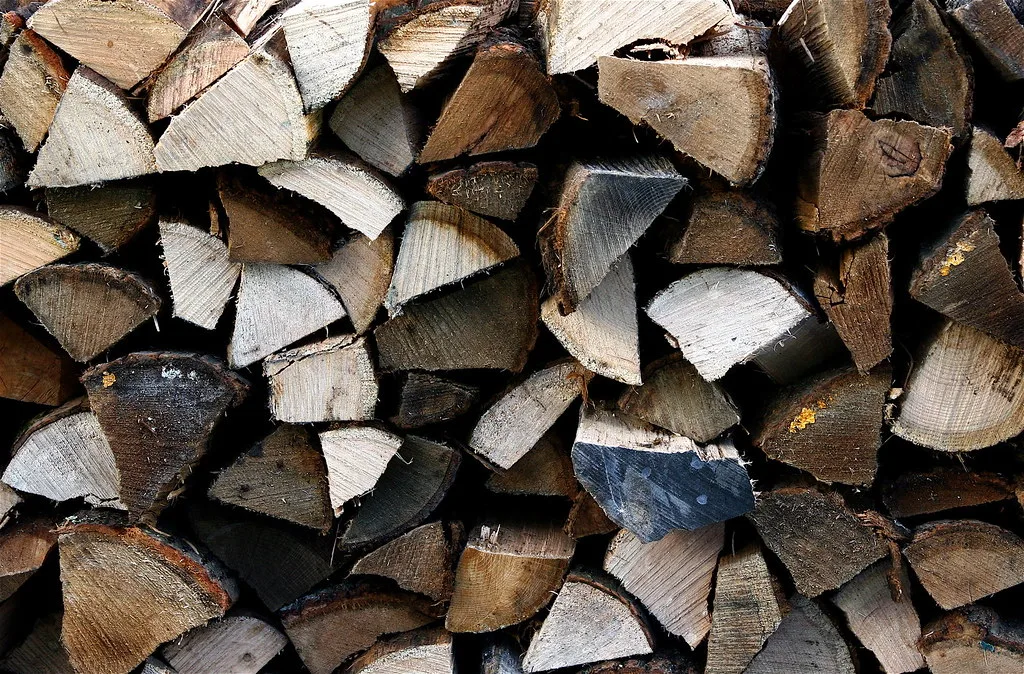
How to store firewood so it burns. A year of UK weather shows an outdoor log store settles at 20 to 22% moisture from November to February.
Read guideBest kindling for wood burners UK: the law wants a certificate number on the bag, not just the logo, and one brand publishes under 12% moisture, not 20%.
Read guideThe best long reach lighter for a wood burner depends on temperature. Butane stops feeding near 0C, and an arc lighter has no flame to light kindling with.
Read guide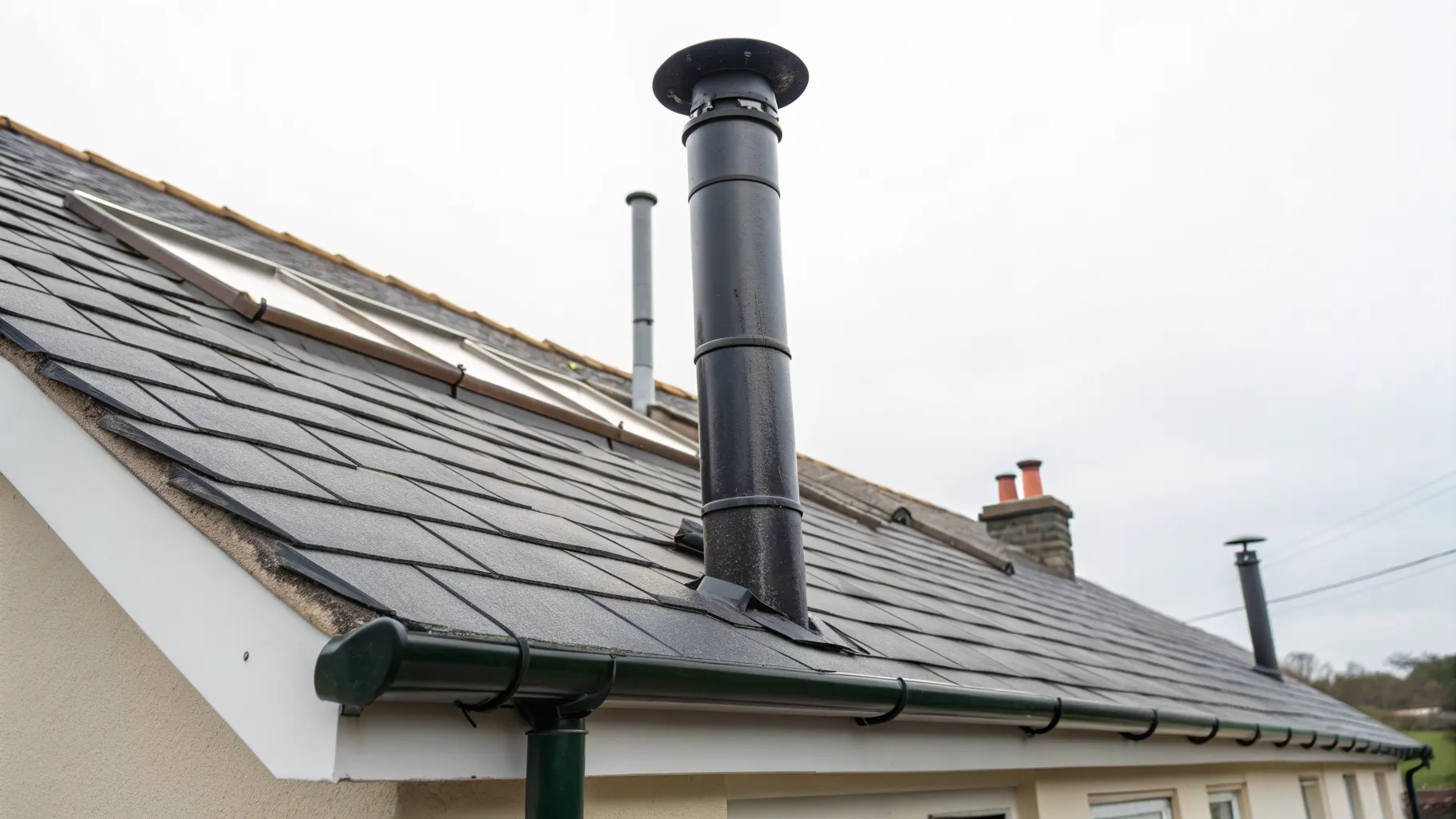
Enter your roof pitch and distance to the ridge to get the minimum height a wood burner flue must reach above the roof, using the Approved Document J rules.
Read guide
AMOS kindling review: the brand sells pine/spruce nets and alder nets under one name and they burn differently. Weights, splits and the spec to check.
Read guide
Gas vs electric lighter for a wood burner: butane quits near freezing, an arc lighter needs contact. Which one suits the firelighters you already use.
Read guide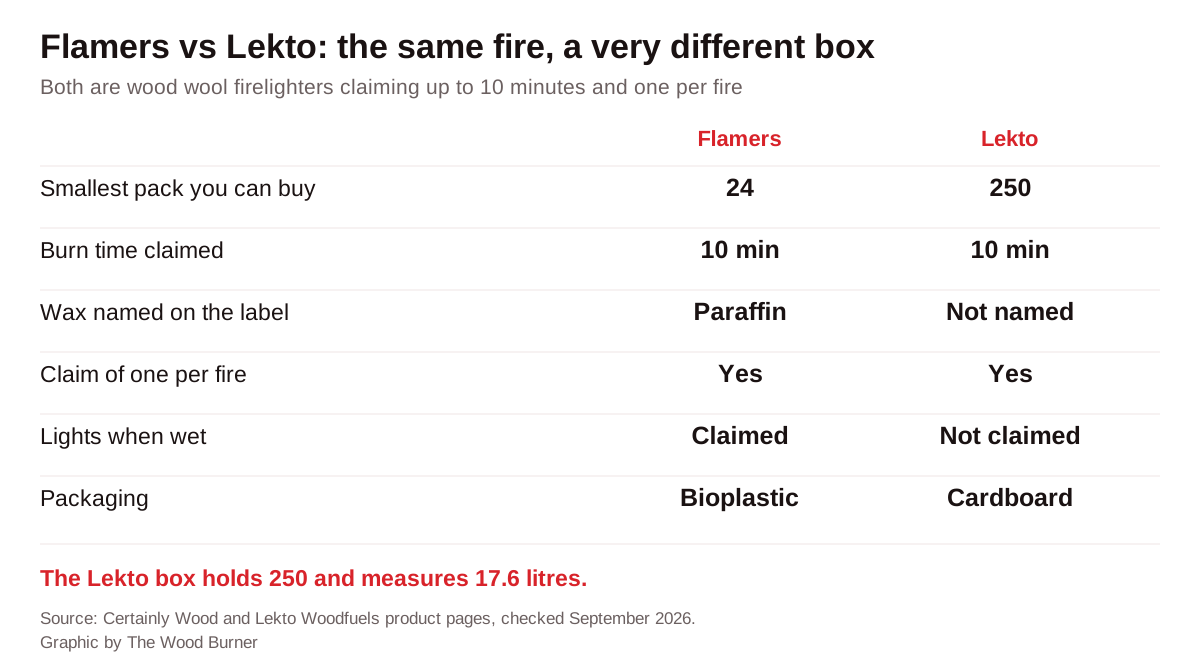
Flamers vs Lekto firelighters: both wood wool, both 10 minutes. The wax is named on one and not the other, and the smallest Lekto box is 250.
Read guide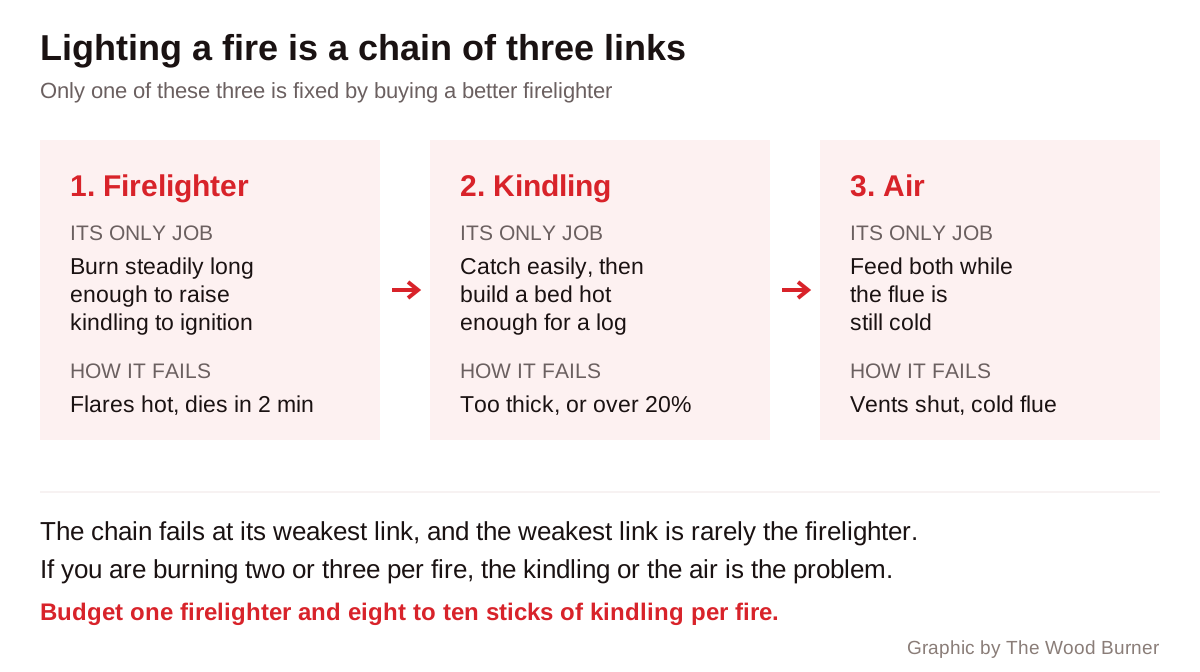
How to choose firelighters and kindling: the chain runs firelighter, kindling, then air. Most failed lights are the kindling, not the firelighter.
Read guide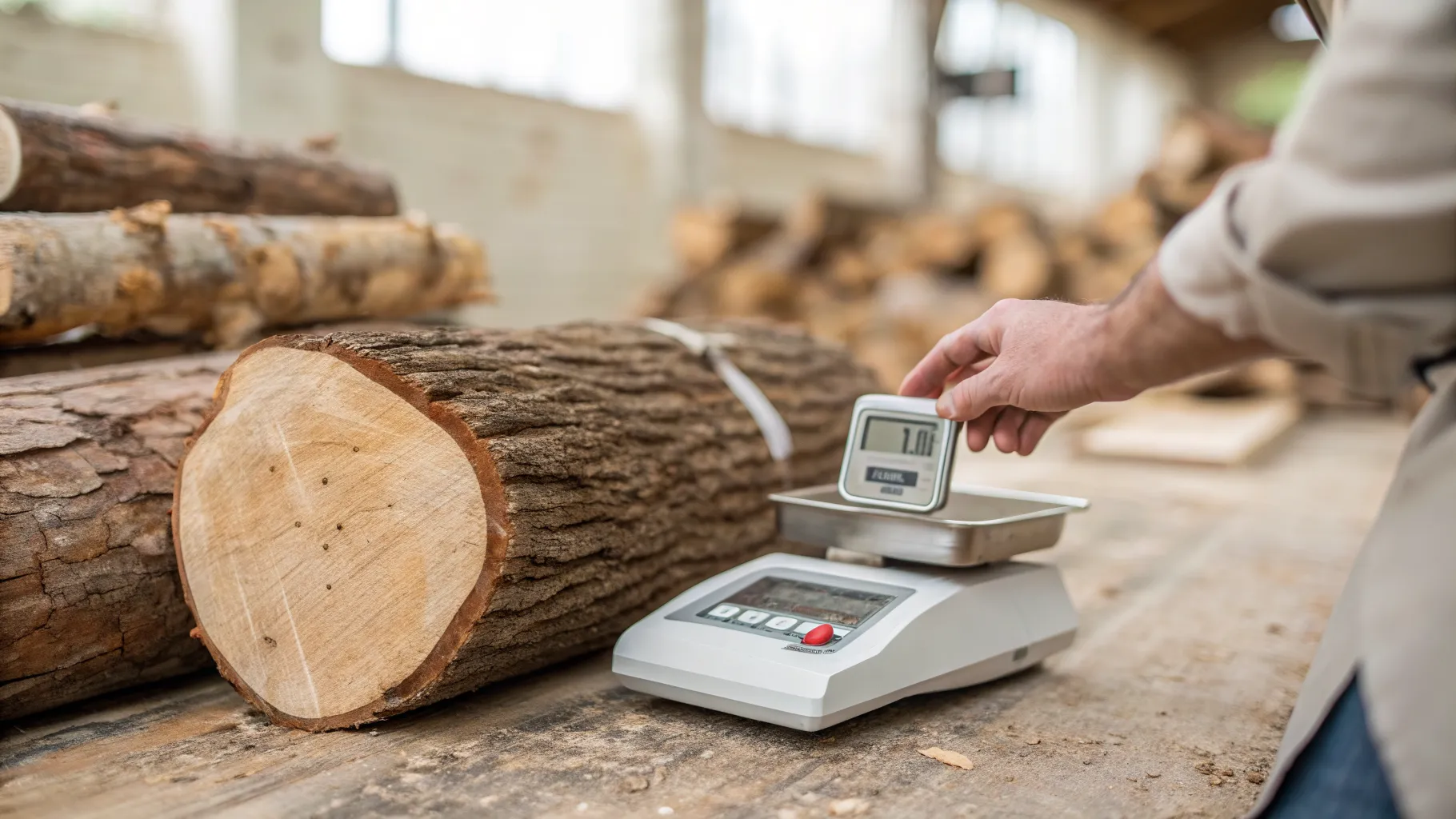
Find out if your logs are dry enough: turn a meter reading, or a wet and oven-dry weight, into moisture content, water still to lose and heat gained.
Read guide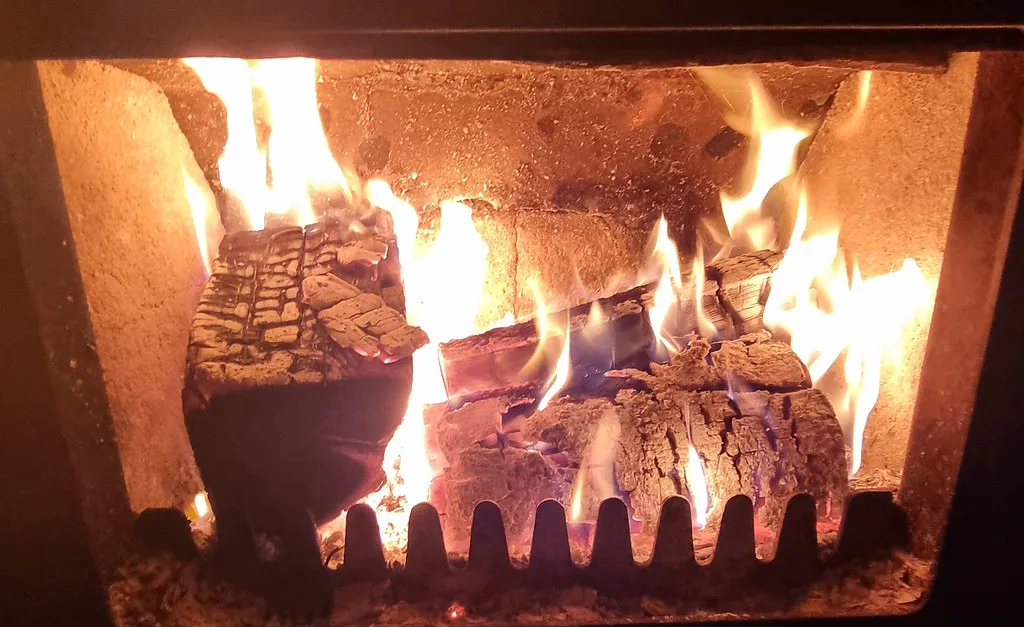
One firelighter is usually enough, two for top-down. How many firelighters to use in a wood burner, and why a third never fixes the real problem.
Read guide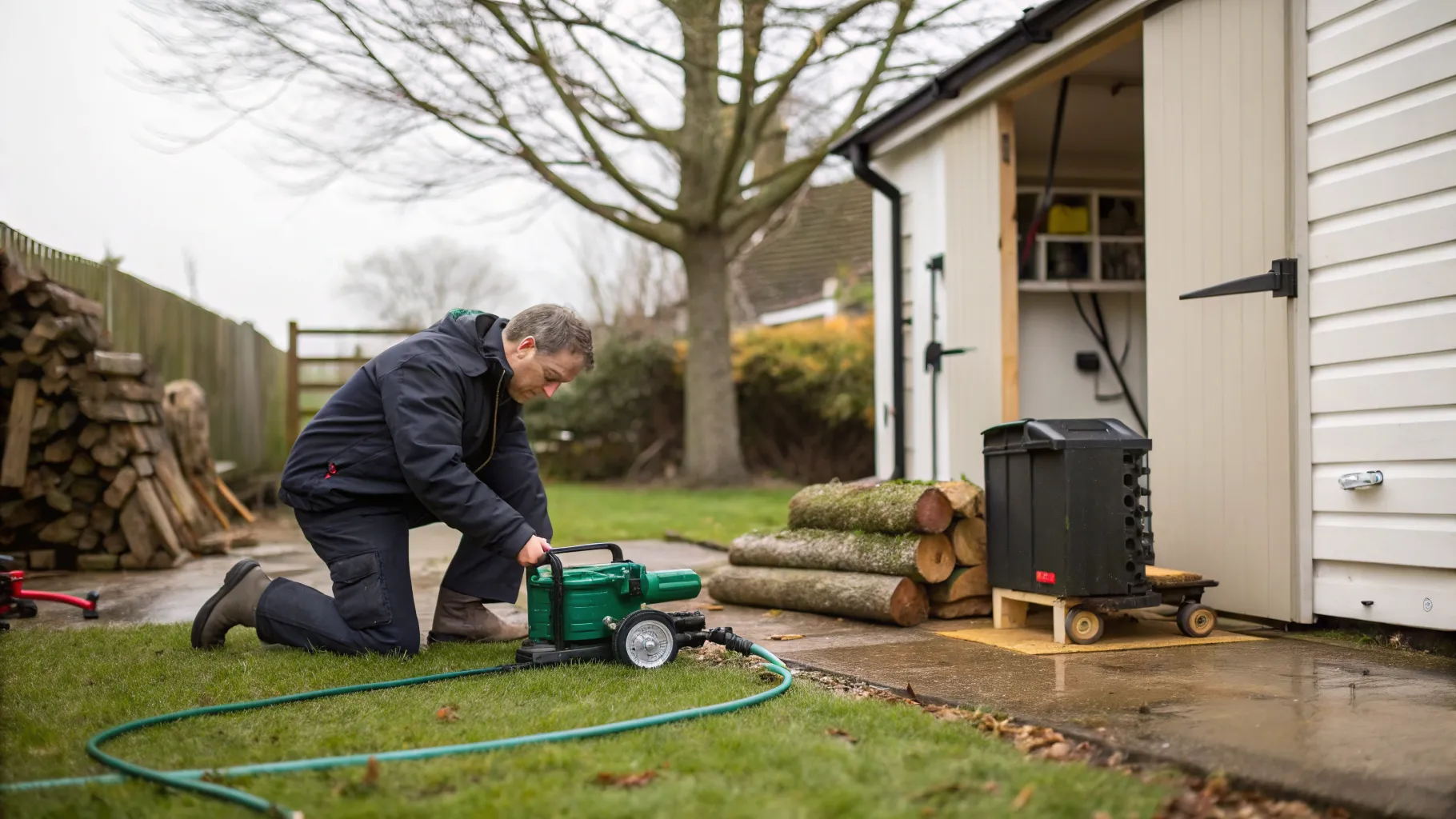
Find your symptom and fix it: bleed screw, low oil, thermal cutout and the extension lead trap, for UK electric log splitters. Unplug first.
Read guide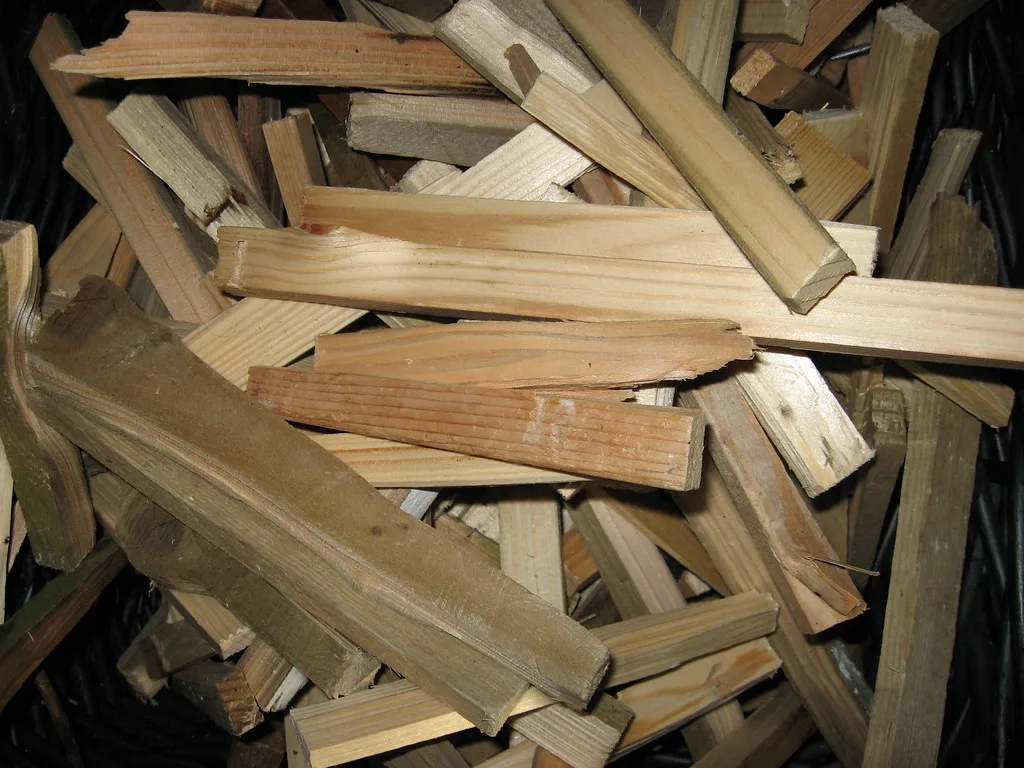
How to store firelighters safely: the safety data sheet says original container, cool, well ventilated, away from heat. The hearthside tin breaks all three.
Read guide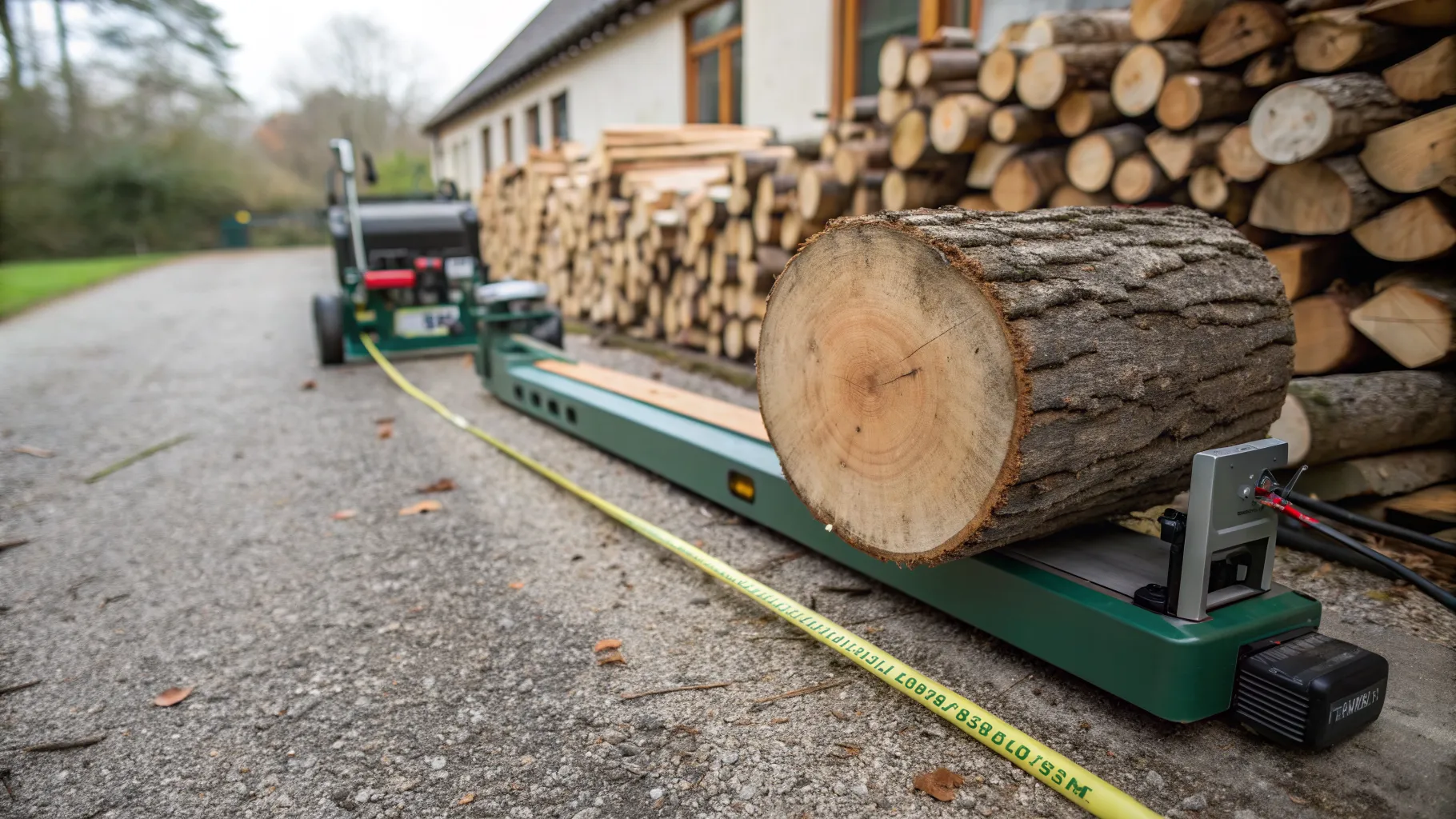
Enter your biggest log's diameter, wood type and knots to see whether a 4, 7 or 10 tonne log splitter will cope, and when you need petrol or a vertical.
Read guide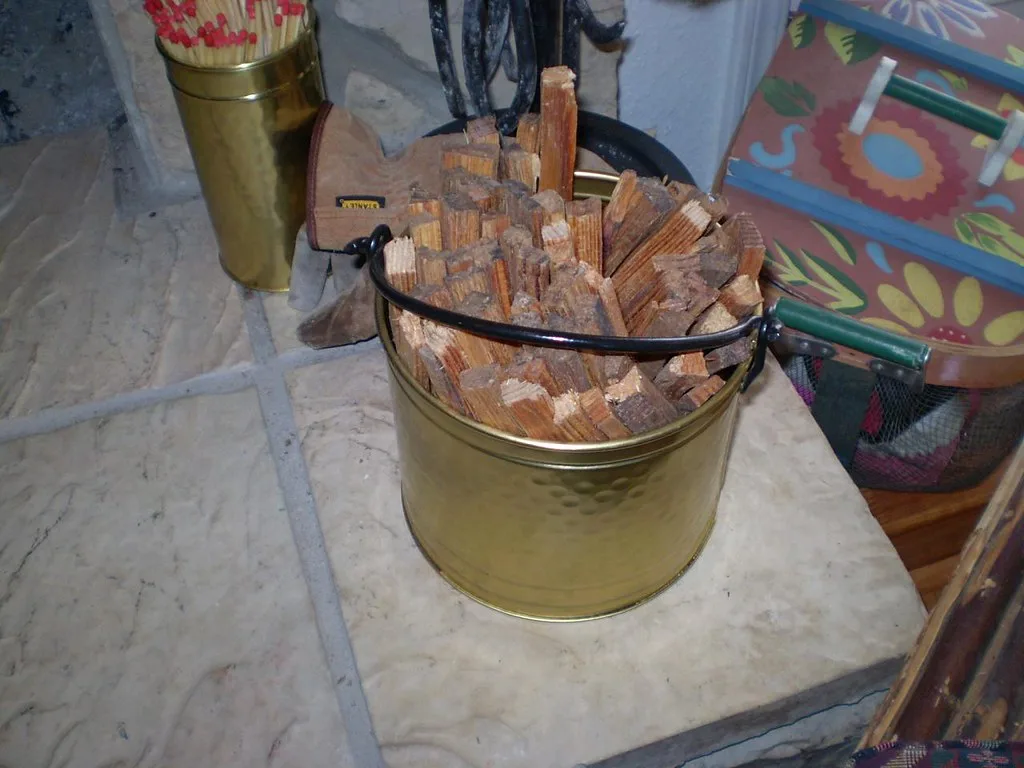
How to light a fire without firelighters: birch bark, fatwood, feather sticks or HETAS's newspaper ball, plus the top-down stack and three things never to use.
Read guide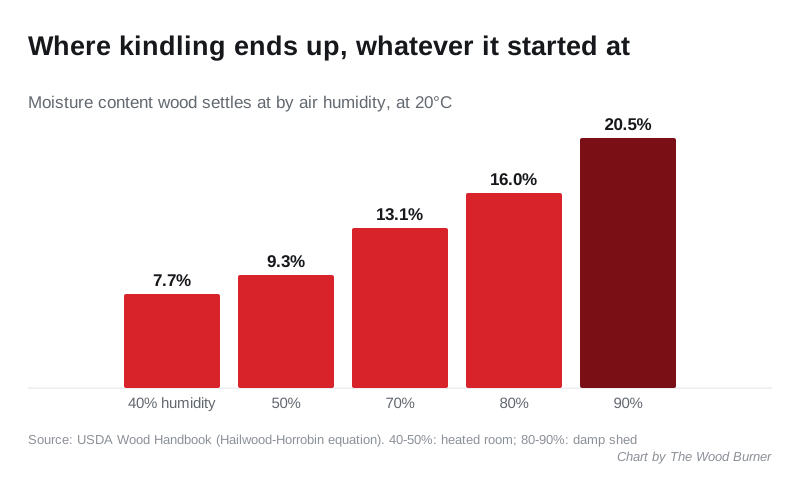
Kiln dried vs air dried kindling: kiln dried starts near 8% moisture, air dried under 20%, but a damp shed pulls both to 16% or more. Which to buy.
Read guide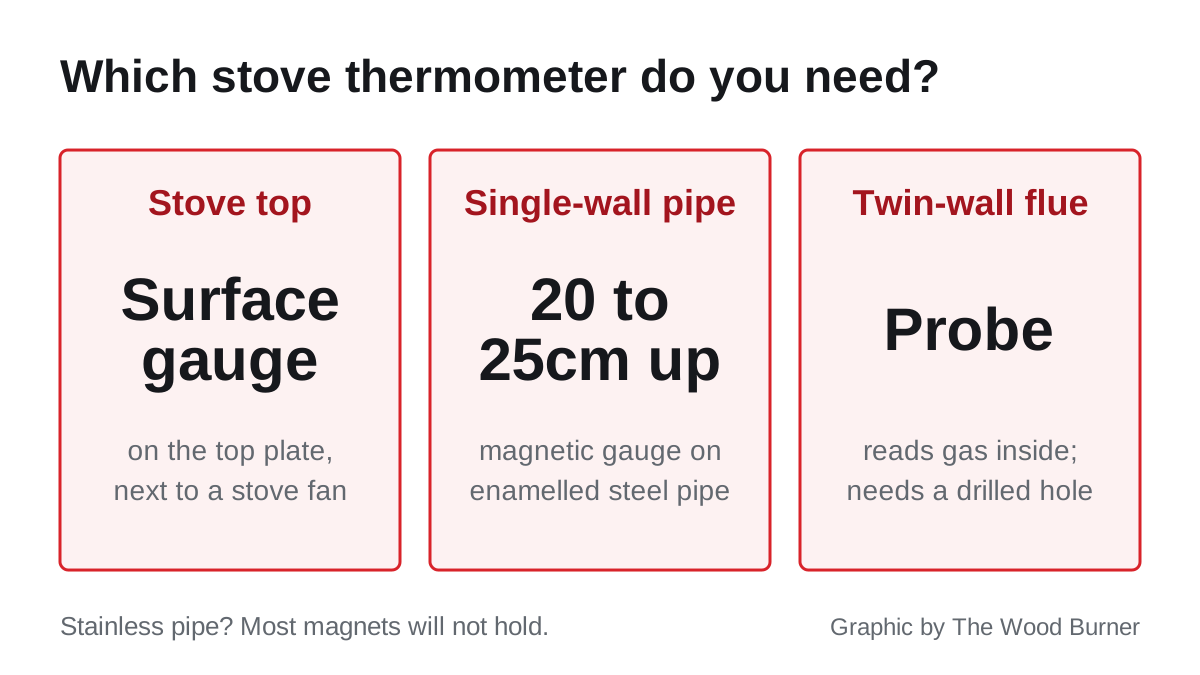
The best stove thermometer in the UK depends on where it sits: stove top, single-wall pipe or twin-wall flue. Four we checked, and why some won't stick.
Read guide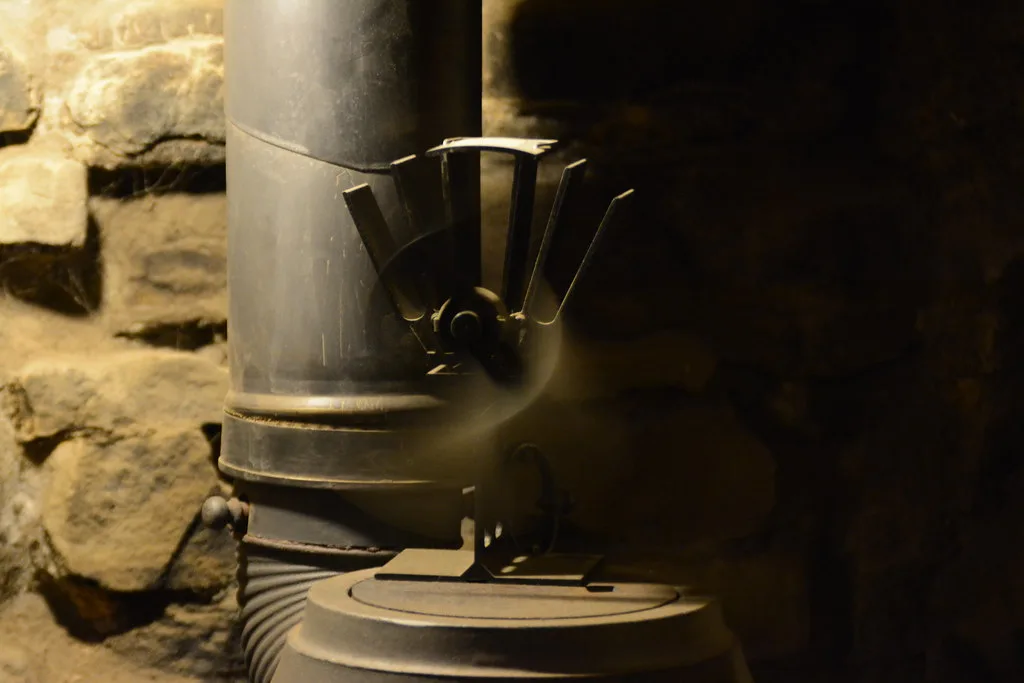
A cheap stove fan in the UK can work well if its start and maximum temperatures suit your stove. Five budget fans compared, and which specs sellers leave out.
Read guide
Enter your bag weight, stove kW and hours of burning to see how long a bag of logs lasts, the kg an hour you burn, and how much faster wet logs go.
Read guide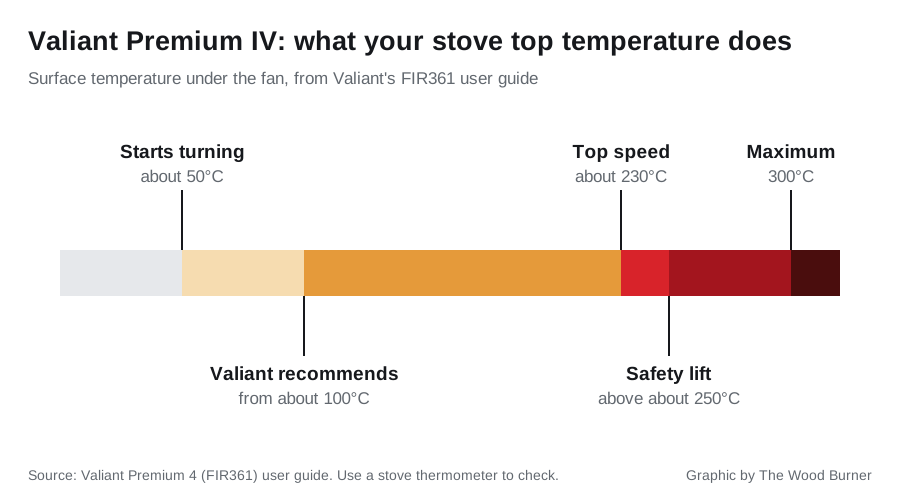
Valiant Premium IV stove fan review: starts near 50°C, tops out at 230°C, lifts itself at 250°C. Who it suits, what kills one early, and the 199mm fit.
Read guide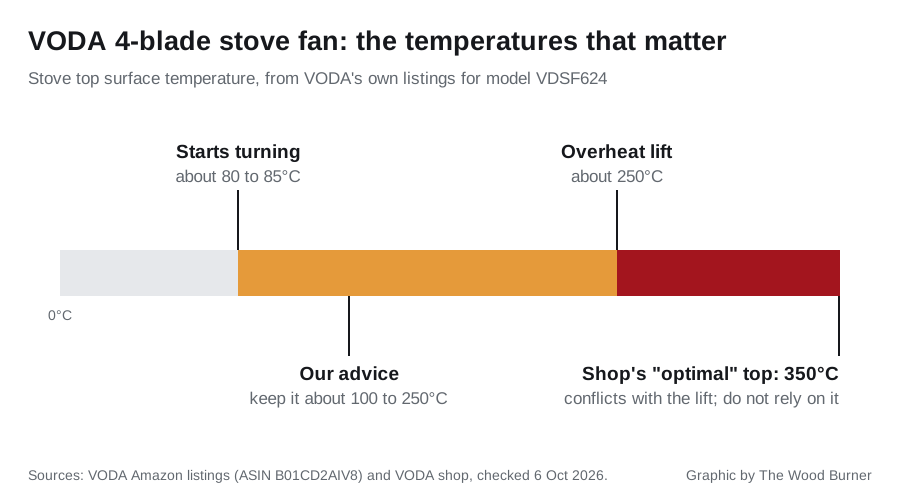
VODA stove fan review: the 4-blade VDSF624 has 13,227 Amazon UK ratings at 4.2 stars, but its temperature specs conflict. Safe range, fit and the failure risk.
Read guide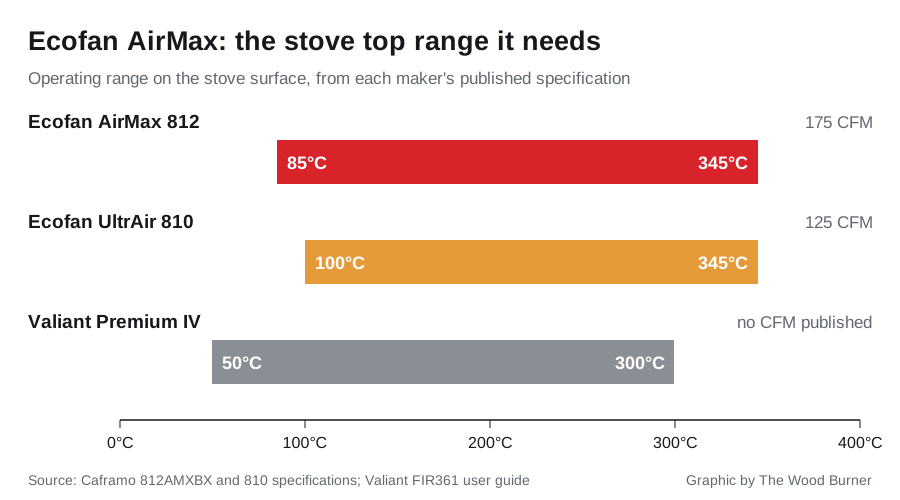
Ecofan AirMax review: 175 CFM tested airflow, 85 to 345°C, 25.4cm tall. Who it suits, when a cheaper fan does the same job, and the motor it will need.
Read guide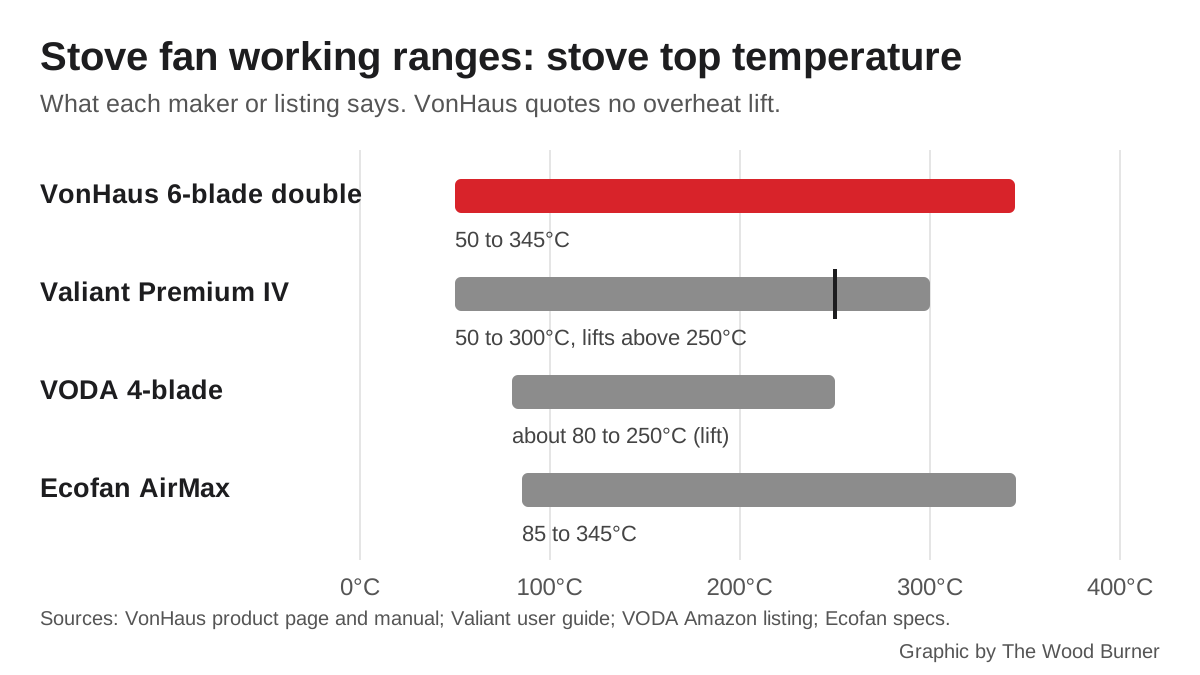
VonHaus stove fan review: the double 6-blade fan starts at 50°C, claims 200 CFM and runs to 345°C, but has two 3-blade heads and no stated overheat lift.
Read guide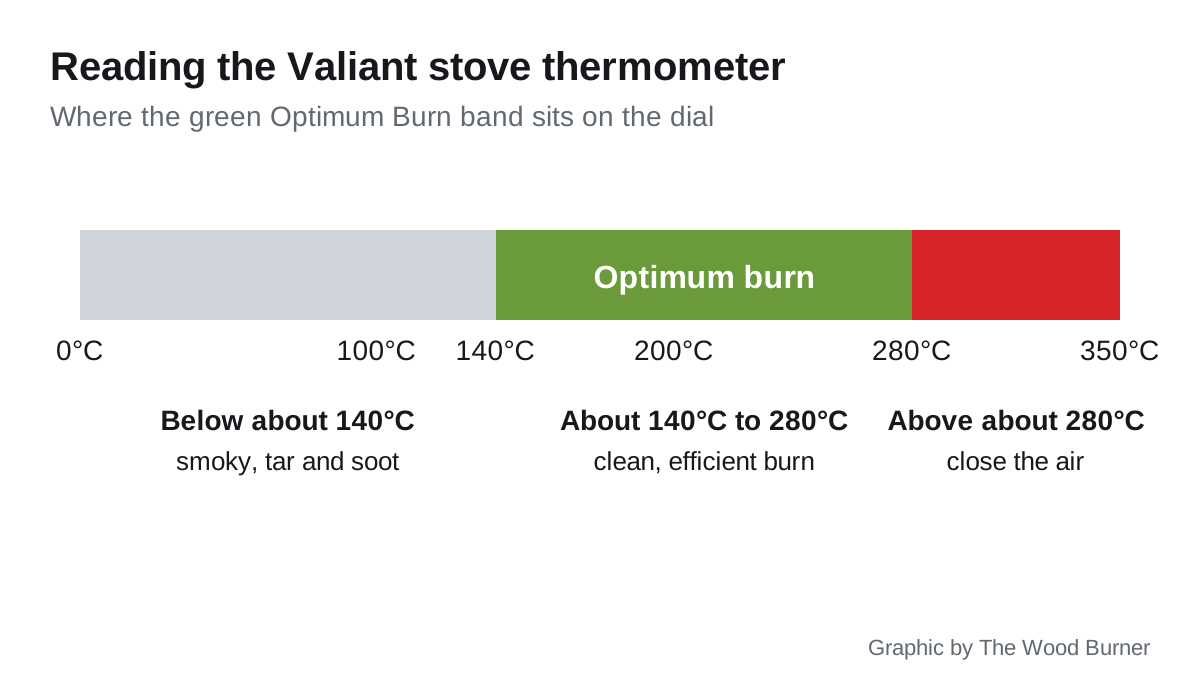
Valiant stove thermometer review: the FIR116's green band runs about 140°C to 280°C. Where Valiant says to fit it, which flues it fails on, and who it suits.
Read guide
Find what a cubic metre, stacked load or bulk bag of logs weighs by species and moisture, how much of it is water, and how many trips your van or trailer needs.
Read guide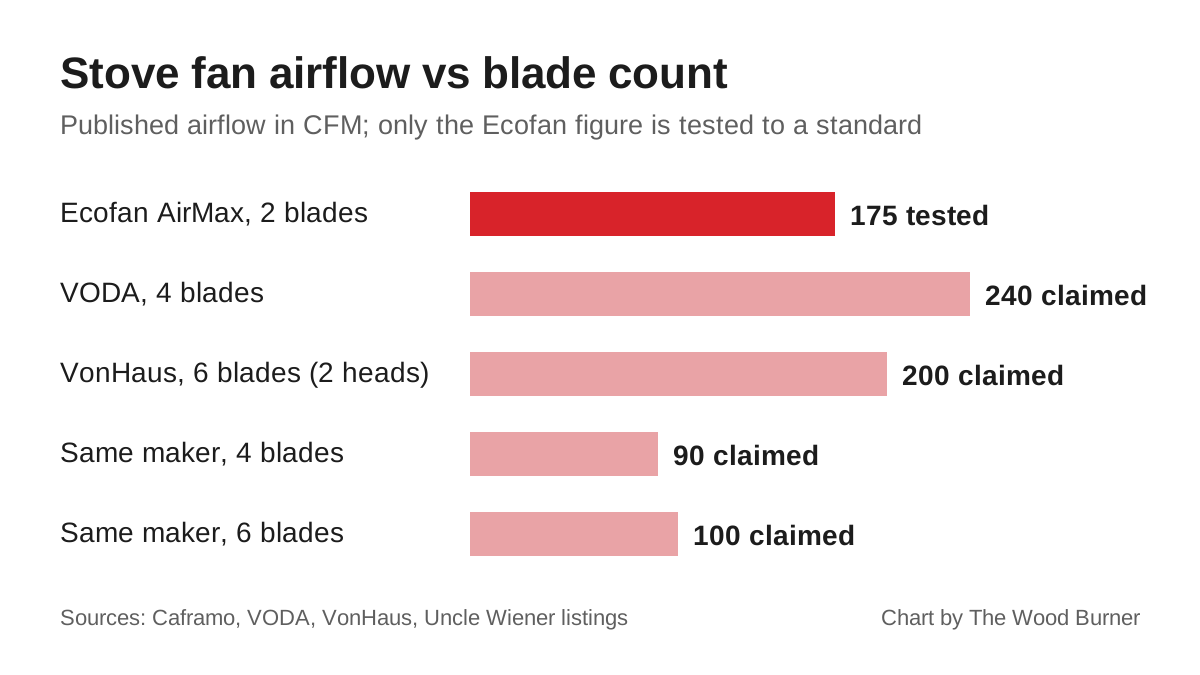
4 blade vs 6 blade stove fan: one maker's pair differ by 10 CFM and the 6-blade spins slower. The best-tested fan has two blades. What actually matters.
Read guide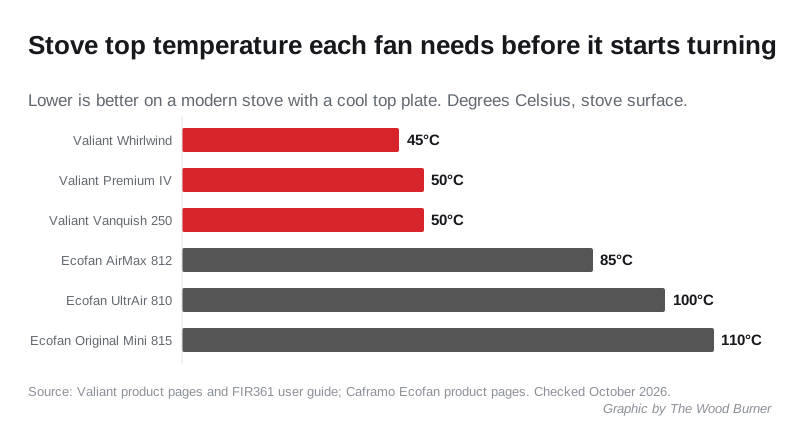
Valiant vs Ecofan stove fan: Valiant starts at 50°C, Ecofan needs 85 to 110°C but publishes tested airflow up to 175 CFM. Which suits your stove and room.
Read guide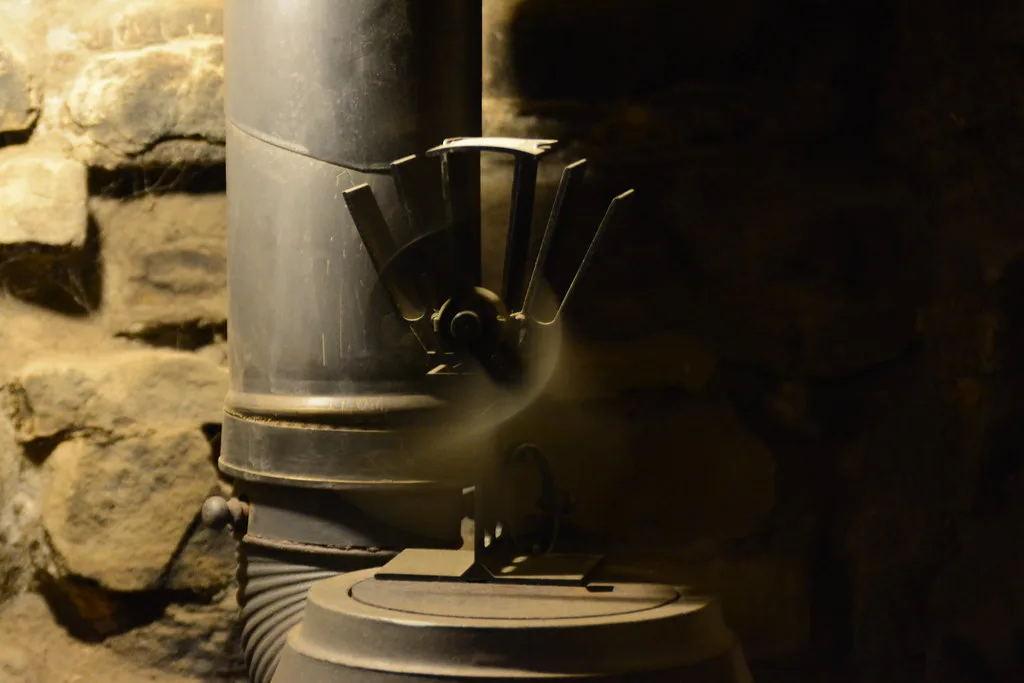
Flue pipe stove fan vs stove top fan: a flue fan suits cool or sloping stove tops but needs a magnetic single-wall pipe. A fridge magnet decides in 10 seconds.
Read guide
See how many years a wood burner takes to pay for itself, or if it never will, against gas, oil, LPG or electric heating, plus the log price you need to beat.
Read guide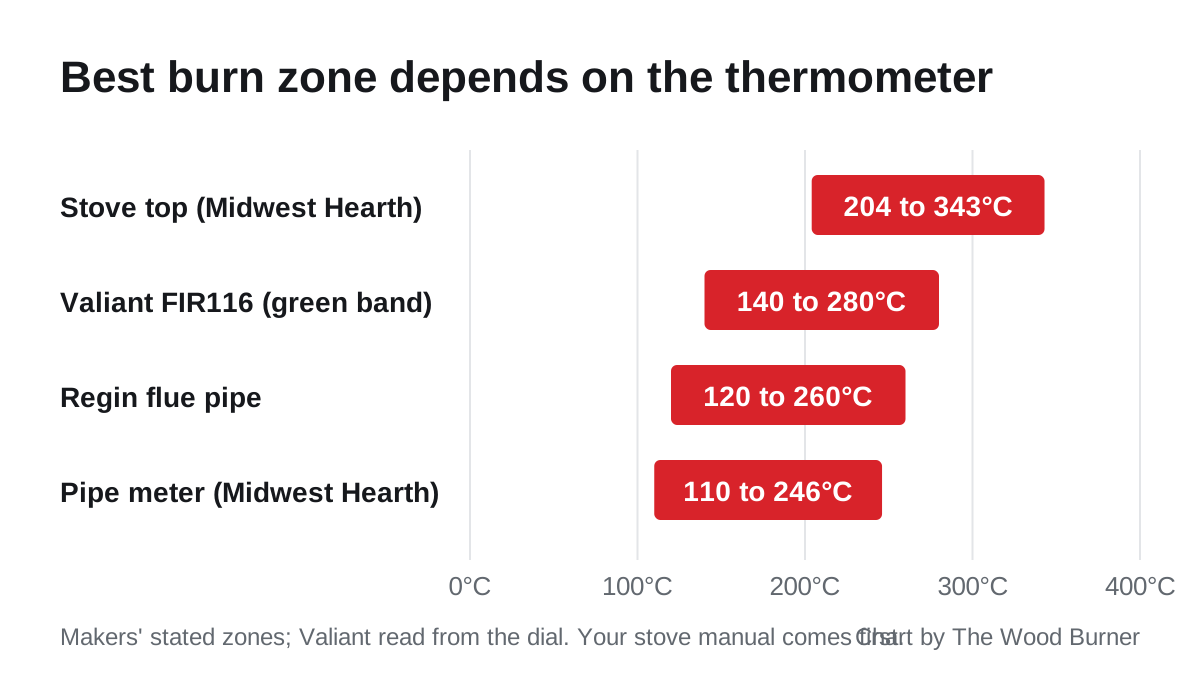
How to use a stove thermometer: why the same fire reads 204°C on the stove top but 110°C on the pipe, what each zone means, and when to adjust the air.
Read guide
Free firewood calculator: work out how much firewood you need for the winter in cubic metres and bulk bags from how often you burn and how hard you run the stove.
Read guide
Compare firewood prices fairly: this calculator turns bulk bags, crates, nets and loose loads into a single firewood price per cubic metre so you can see which deal is truly cheapest.
Read guide
Free log store size calculator: find out what size log store you need to hold your firewood, allowing for stacking gaps, or check whether a store you are buying will fit a season of logs.
Read guide
Work out how long to season firewood: this calculator estimates the months your logs need to dry to under 20% moisture by species, split size and how they are stored.
Read guide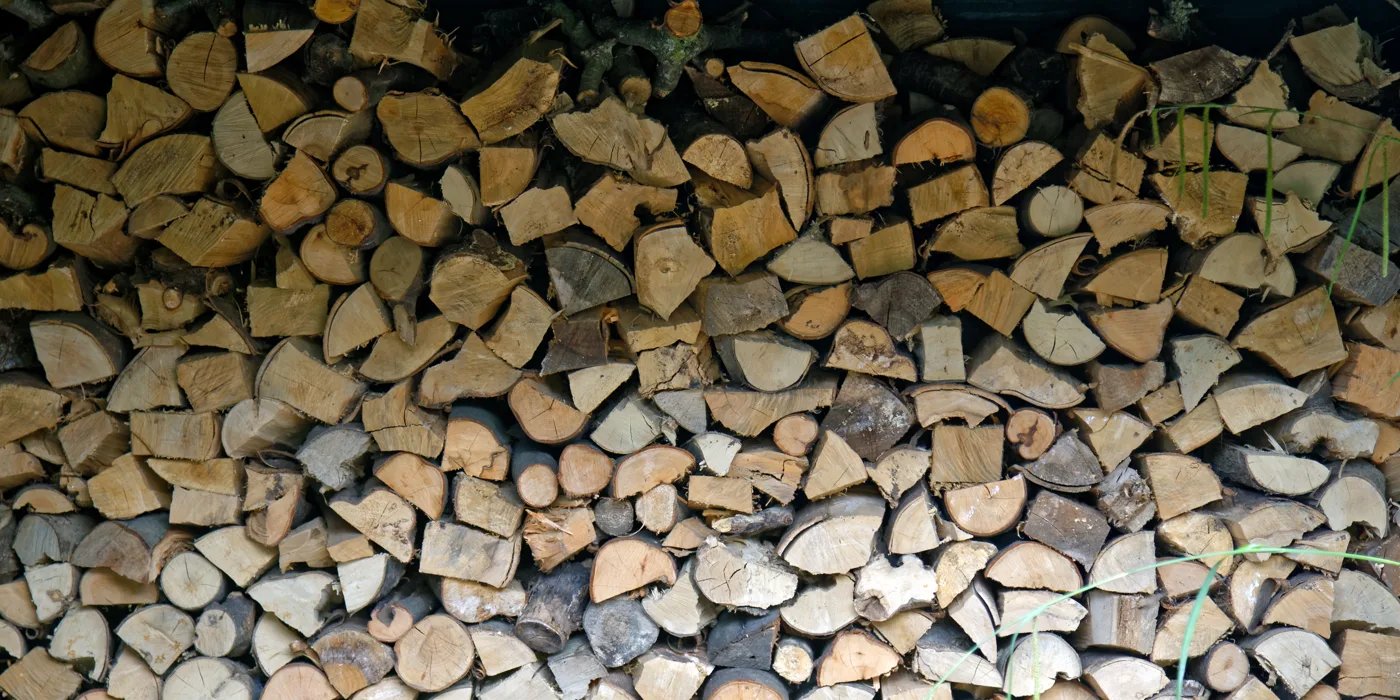
The best firewood in the UK for 2026: kiln-dried logs vs wood briquettes and heat logs compared, the brands worth buying, and what Ready to Burn means.
Read guide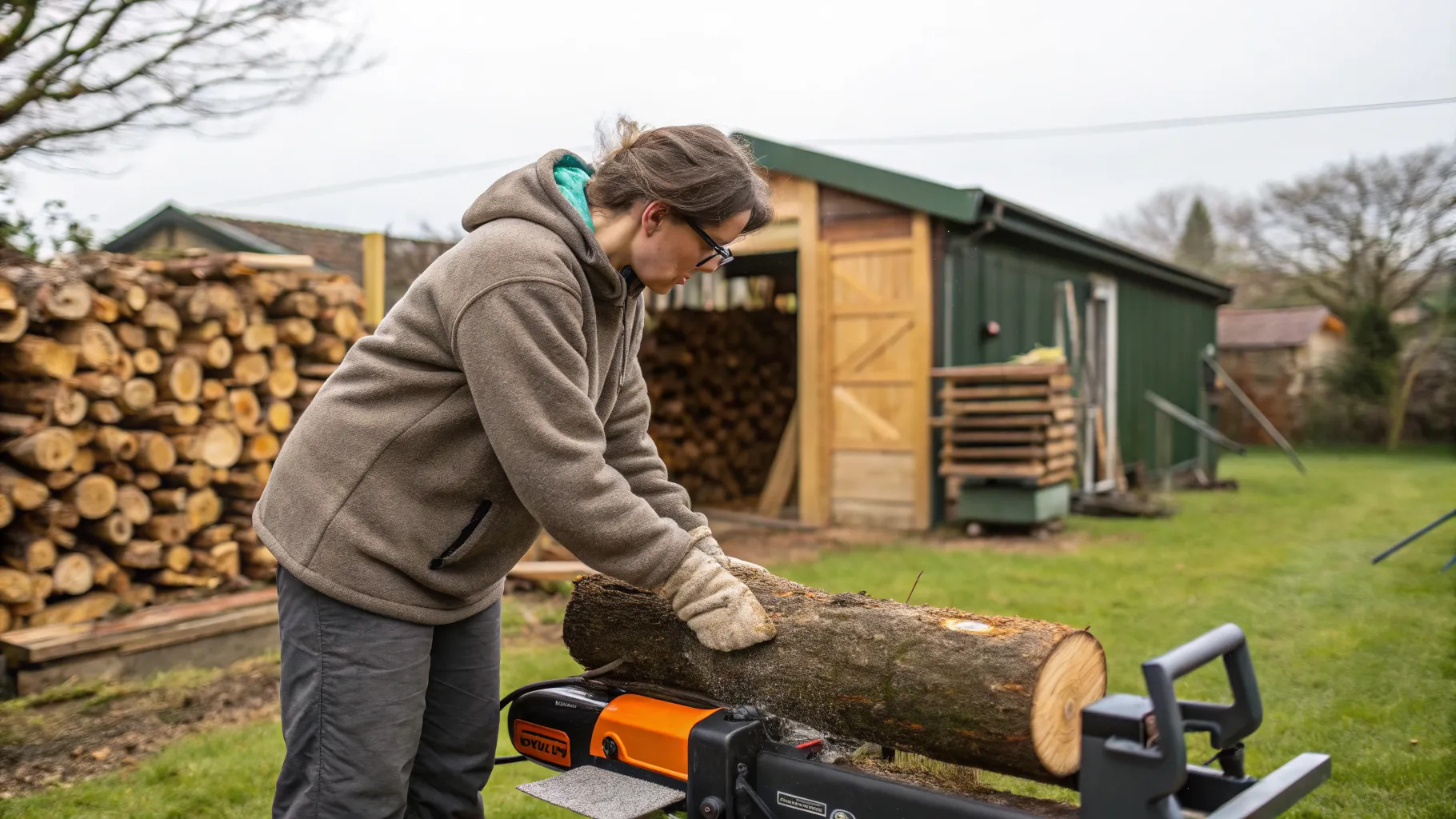
Best log splitters in the UK for 2026, with the real force figures, log capacities and the Forest Master tonnage badging trap explained.
Read guide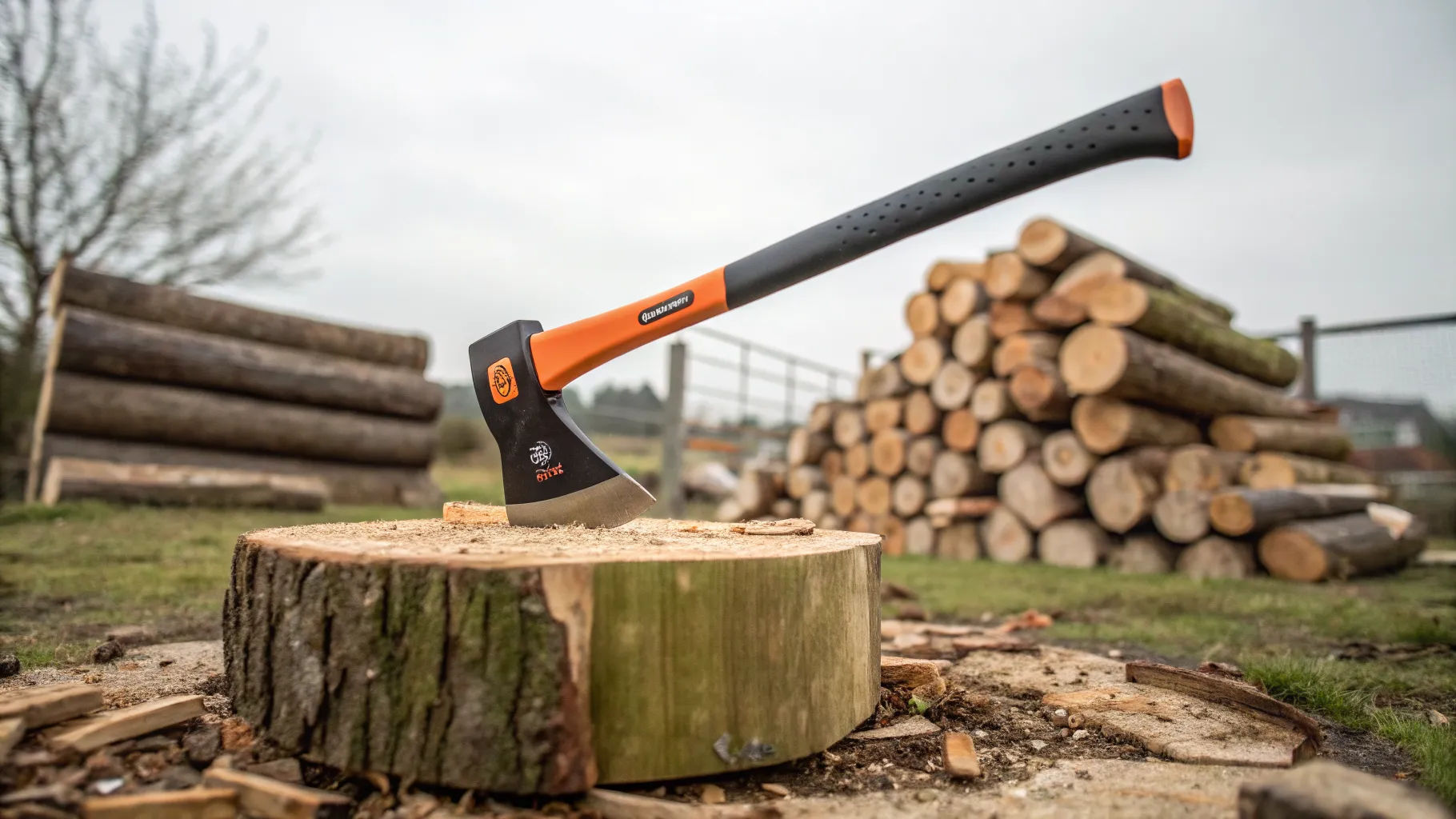
The best log splitting axes for UK wood burners in 2026: Fiskars X25 (now X32), X27 (now X36), plus budget and premium picks.
Read guide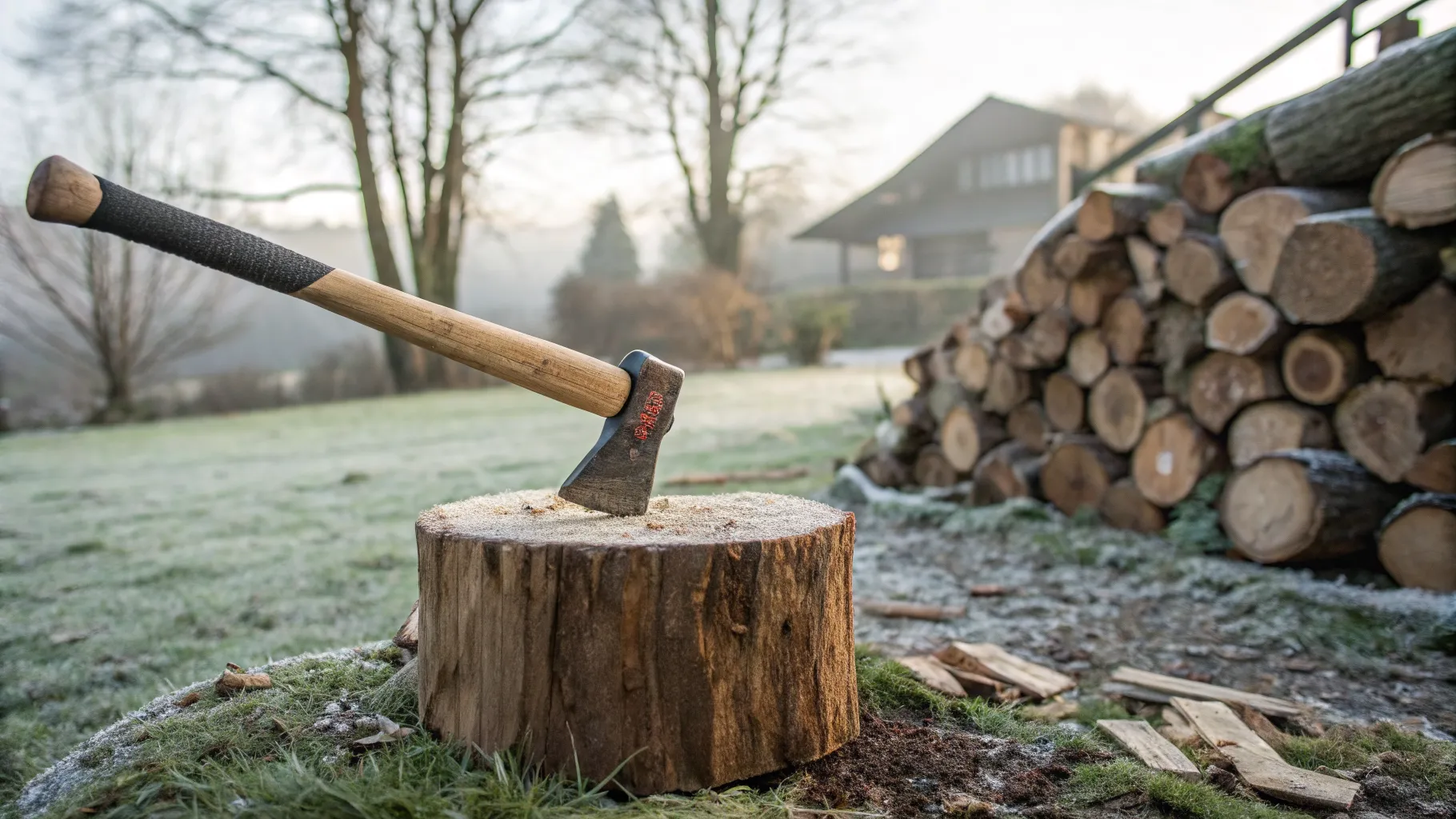
The best splitting mauls and axes for UK firewood in 2026, segmented by job, with an honest take on maul vs axe and 6lb vs 8lb.
Read guide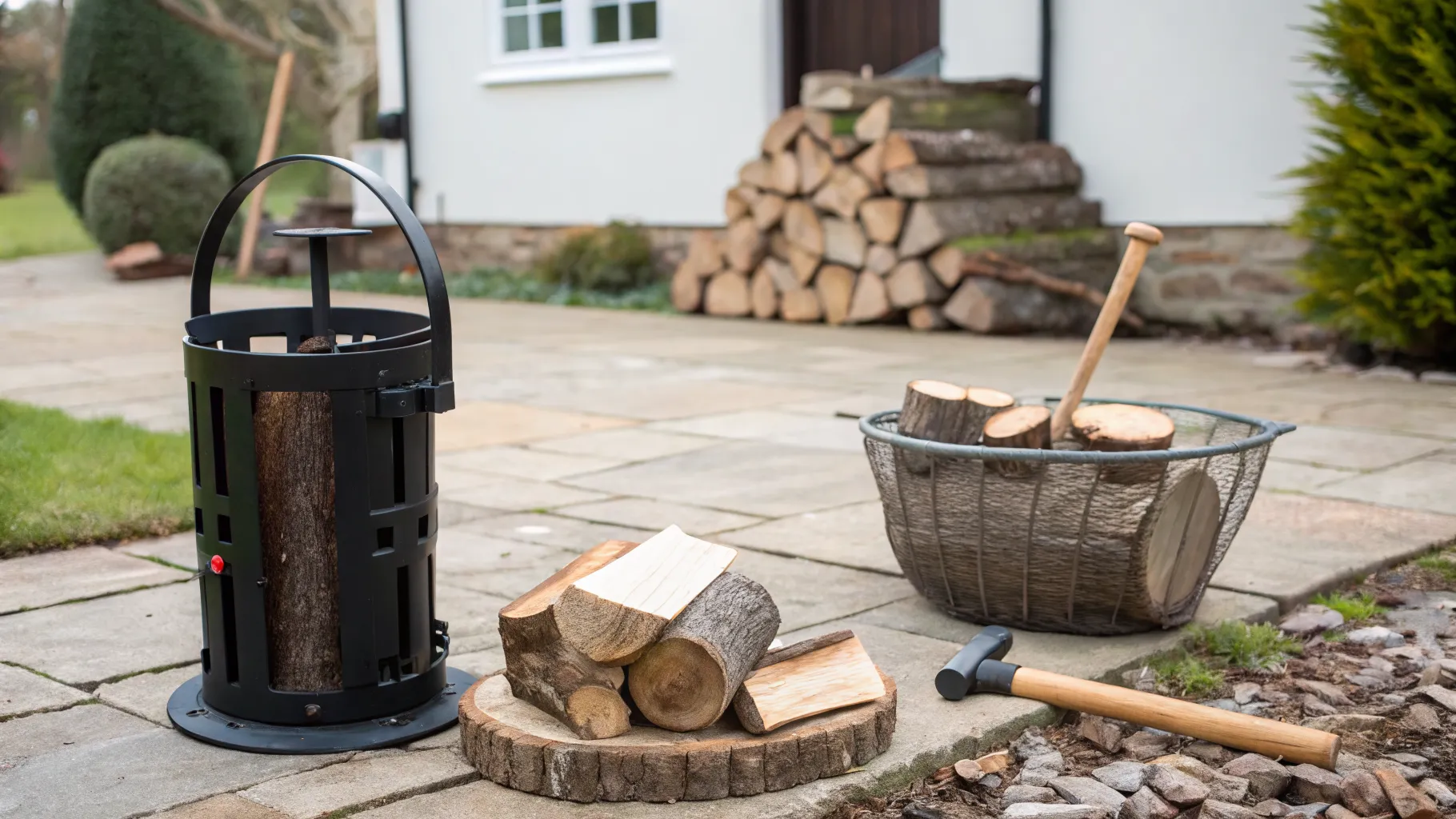
Six kindling splitters verified in stock on Amazon UK: Kindling Cracker vs Forest Master vs Stikkan, which hammer to pair, and how to bolt one down.
Read guide
Honest review of the Forest Master FM5 5 ton electric log splitter: real specs, what it splits, FM5 vs FM8 vs FM10, and who should size up.
Read guide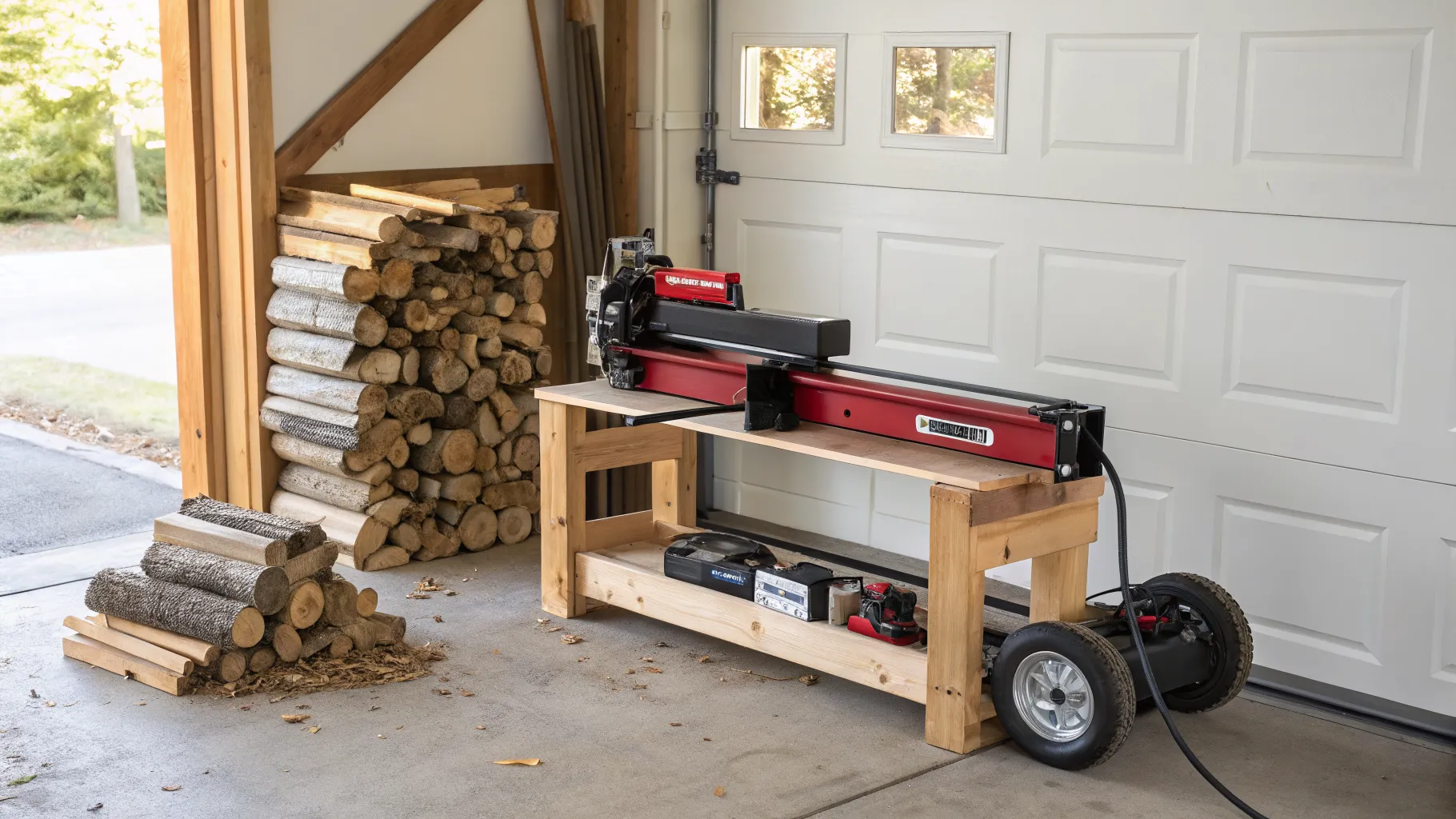
Forest Master FM10D-7-TC review: a 7 ton DuoCut electric log splitter for UK firewood, with the model maze decoded, real specs and honest limits.
Read guide
An honest, specs-verified review of The Handy THLS-6G 6 ton electric log splitter: log capacity, the no-stand catch, real-world power and rivals.
Read guide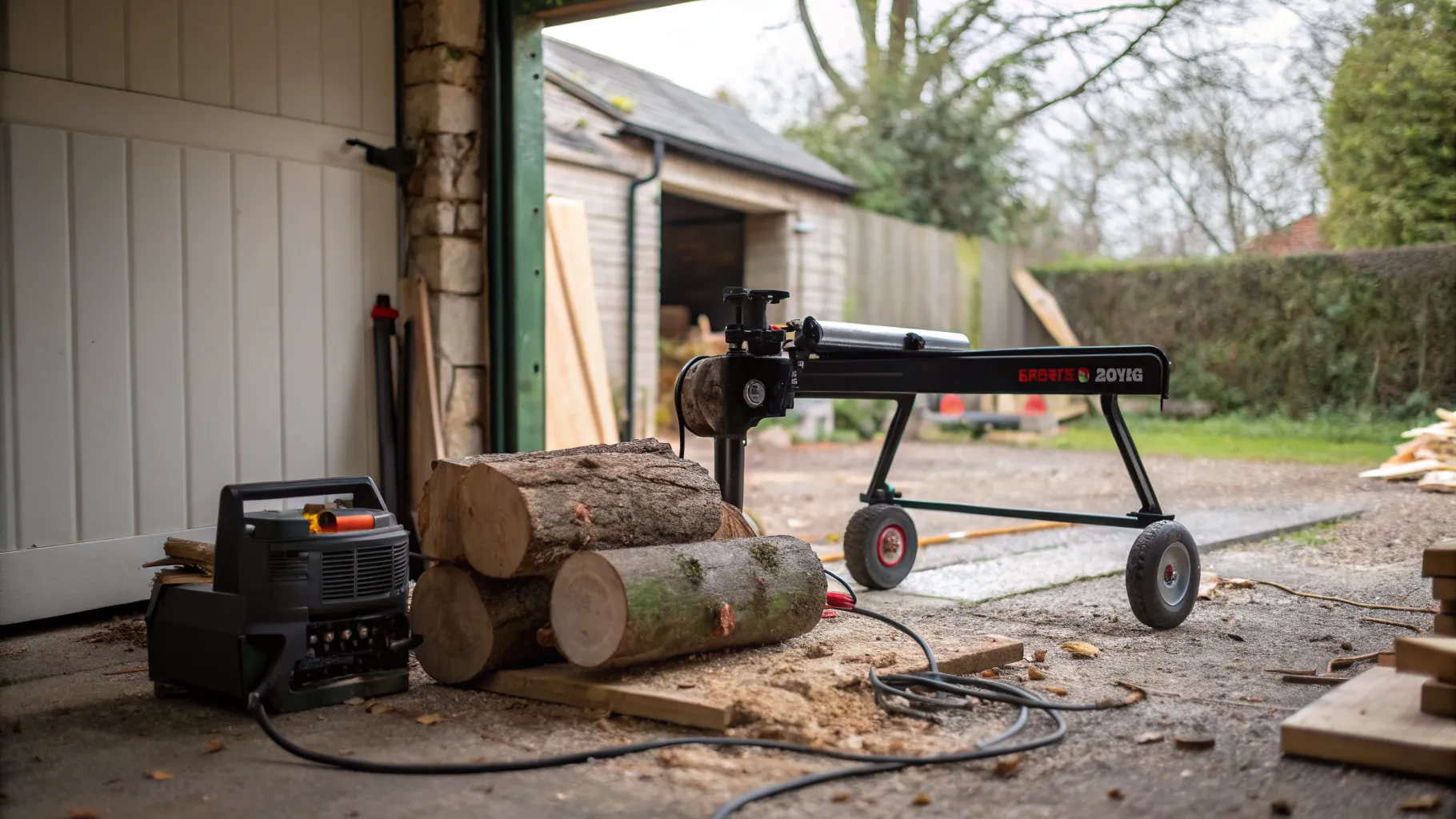
The Logmaster 7 tonne log splitter is hydraulic, not kinetic, and Amazon UK lists it as unavailable. Who made it, the specs, and what to buy instead.
Read guide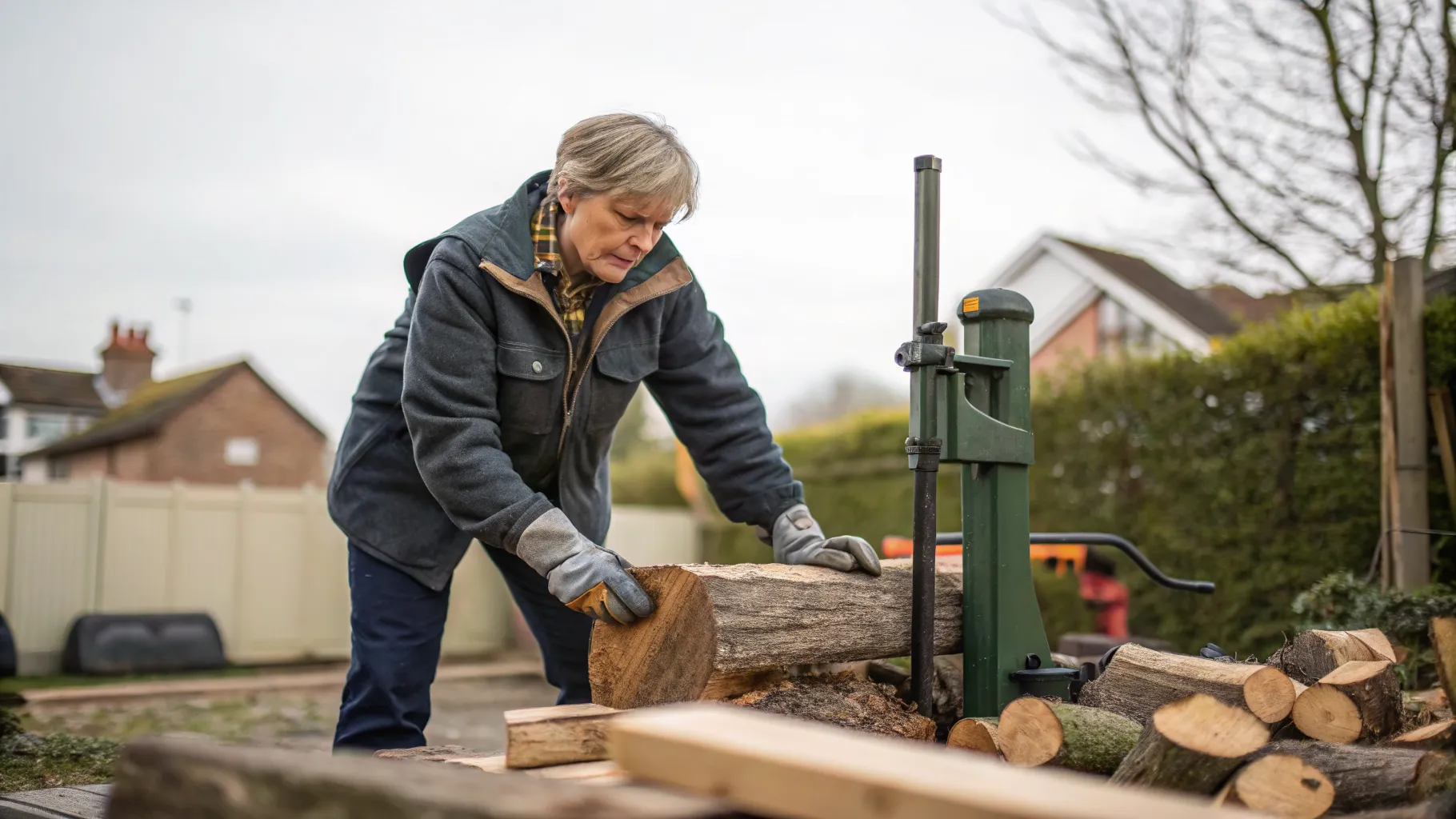
The FMSS drops a 3.5kg weight onto a fixed blade: no swung axe. Full specs, the real 15-20cm diameter limit, the thin guide pole, and who should skip it.
Read guide
Fiskars X25 splitting axe: 2.4kg, about 72cm long, rated for logs up to 30cm, 25-year warranty if registered. Specs, sizing test, X25 vs X27 and its limits.
Read guide
In the UK the Fiskars X27 is sold as the XXL X27, code 1015644: 964mm long, 2.6kg, made for logs over 30cm, with a 25 year guarantee on registration.
Read guide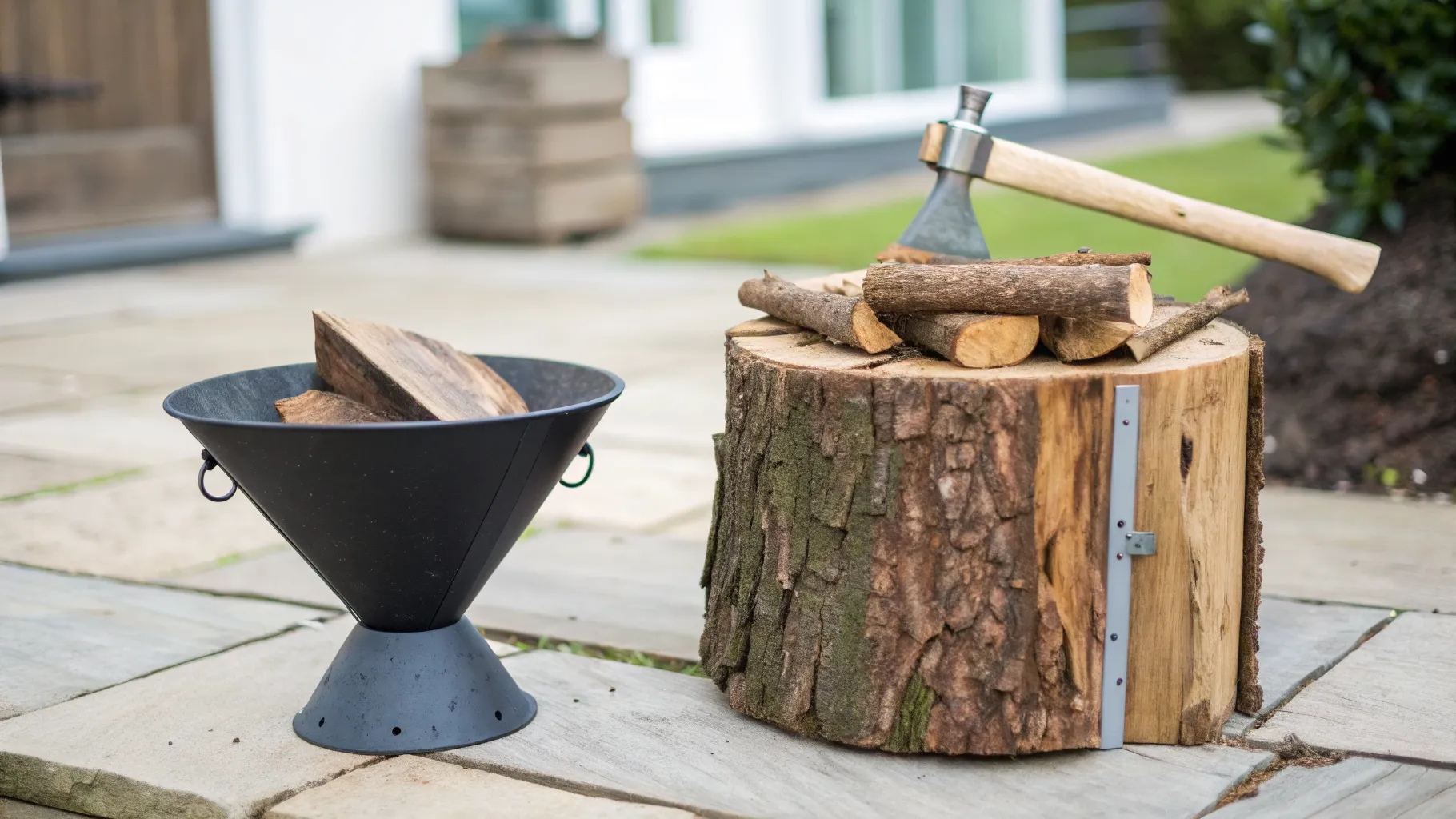
An honest Kindling Cracker review covering how the cast iron splitter works, performance on wet and dry wood, the Original vs King XL, and who it suits.
Read guide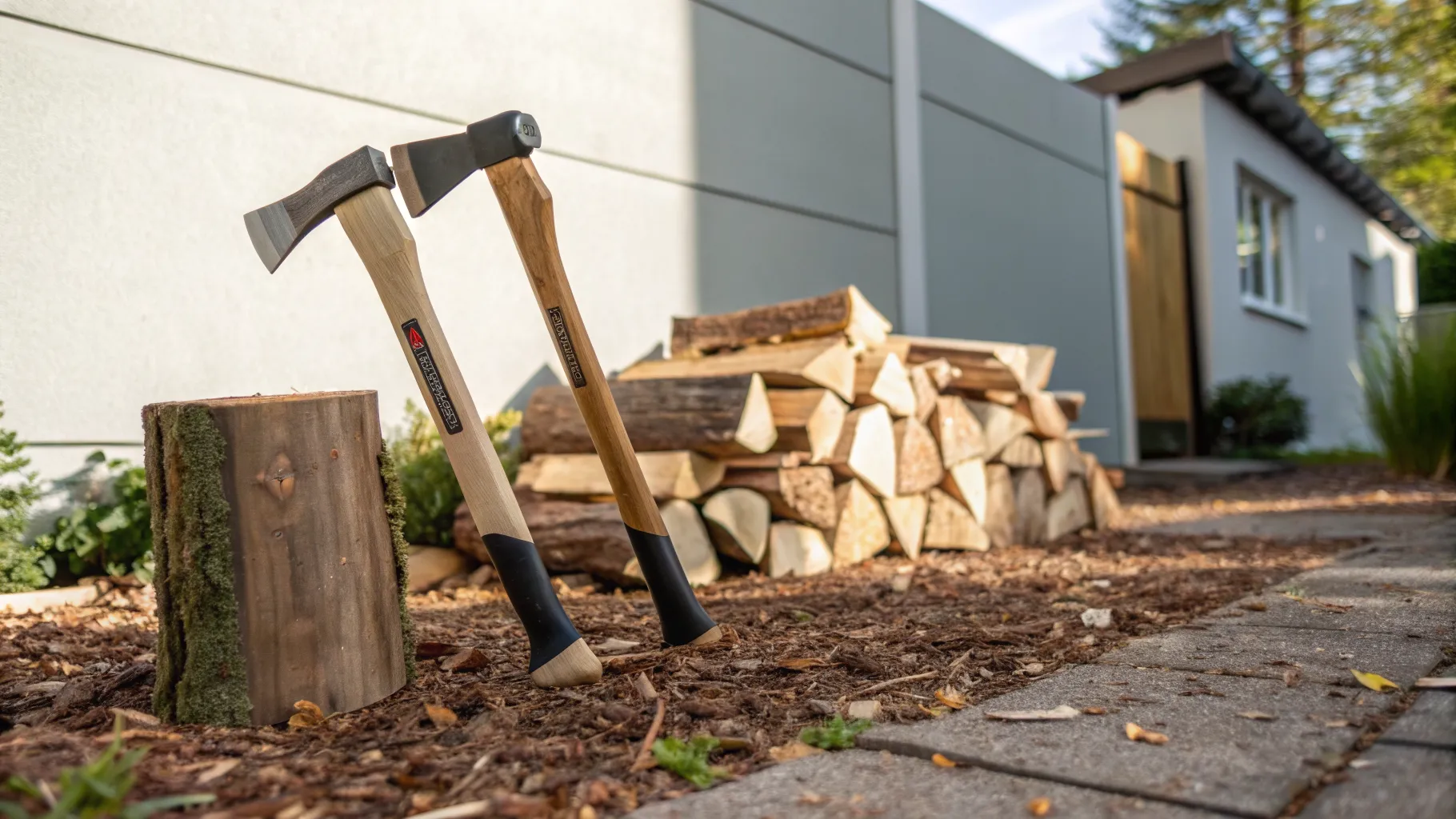
The shaft should match the length of your arm, says Fiskars. X25 vs X27 on length, power and control, plus the two physical tests that settle it in ten seconds.
Read guide
Electric vs manual log splitter compared for UK wood burners: the real pros, cons, costs and effort of each, and how to pick the right one for your wood pile.
Read guide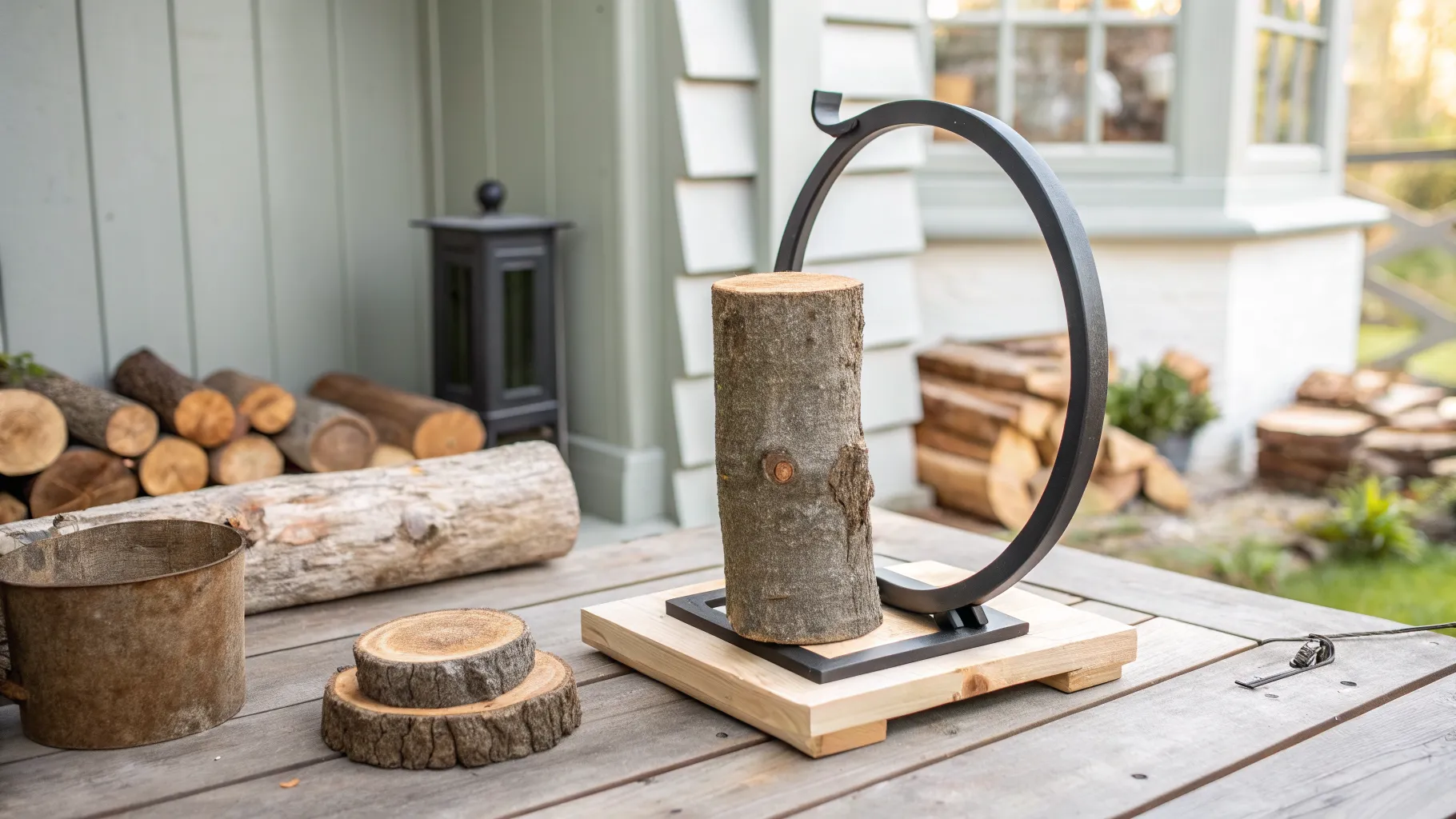
Is the original Kindling Cracker worth it, or is a cheaper clone just as good? We compare the design, cast iron quality and best Kindling Cracker alternatives.
Read guide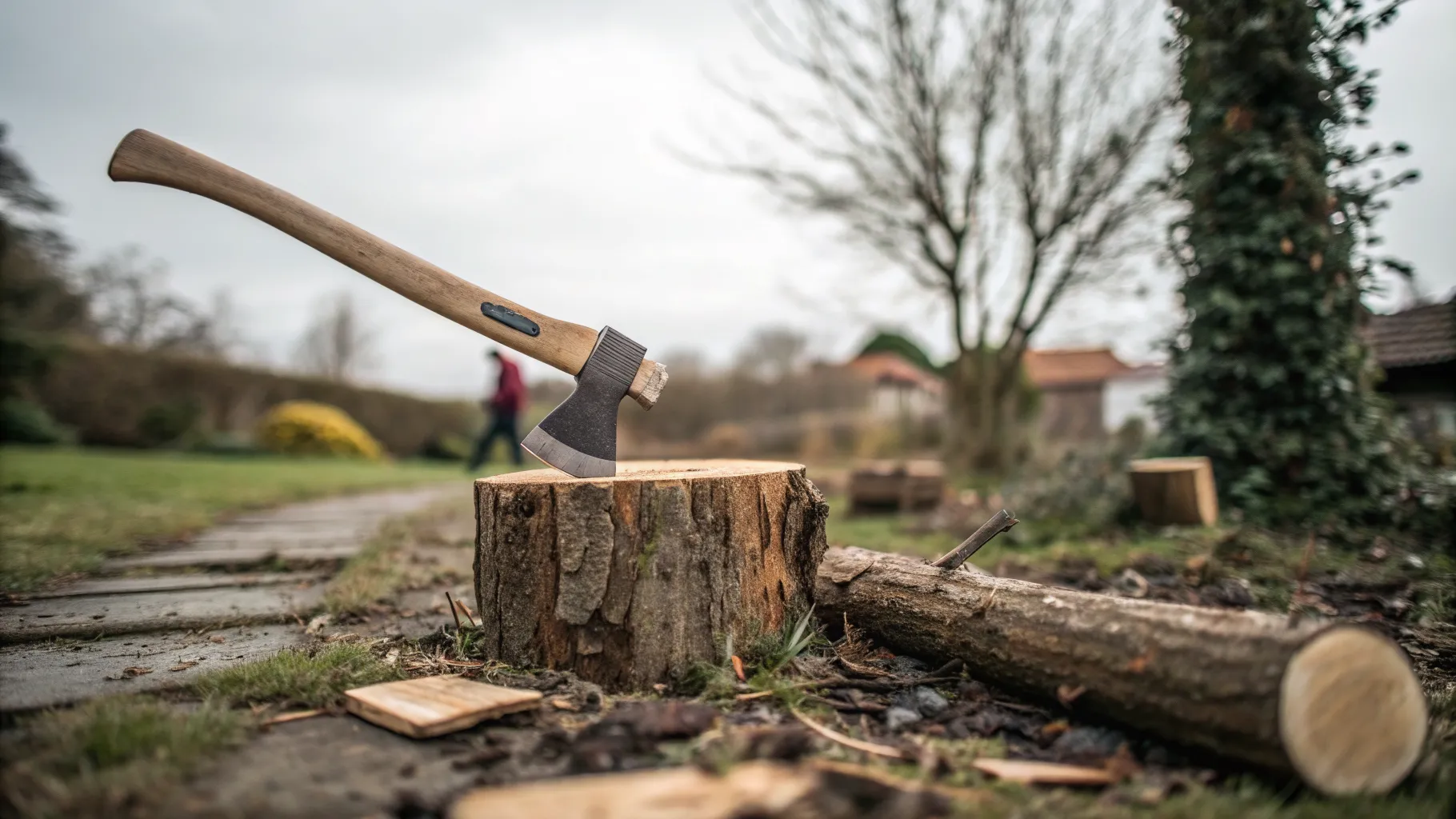
Splitting axe vs maul explained: the real difference in weight and head shape, which suits knotty or straight-grained wood, and which one you should buy first.
Read guide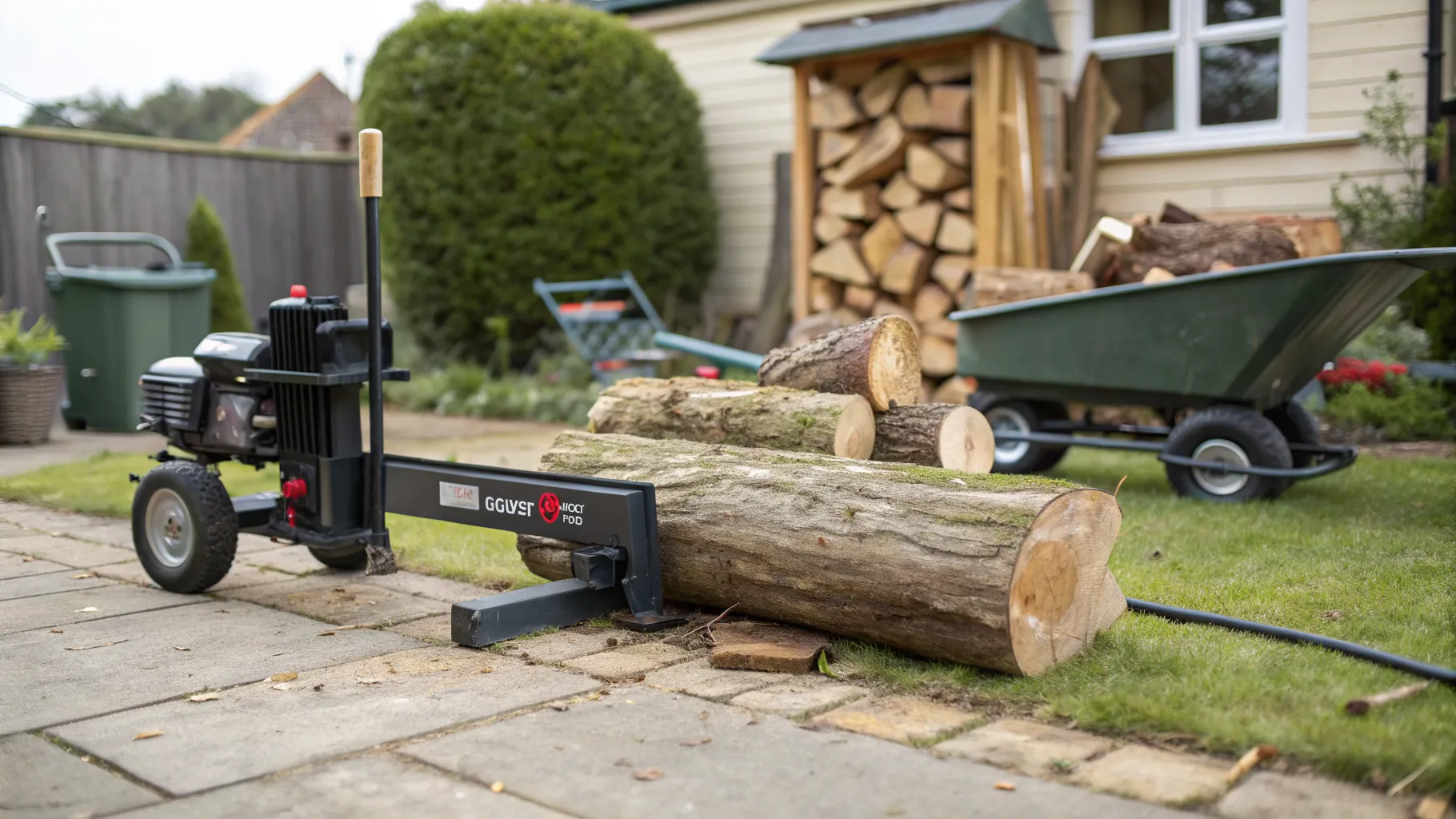
A UK log splitter buying guide covering the tonnage you need, log diameter limits, electric versus petrol, and the safety features that actually matter.
Read guide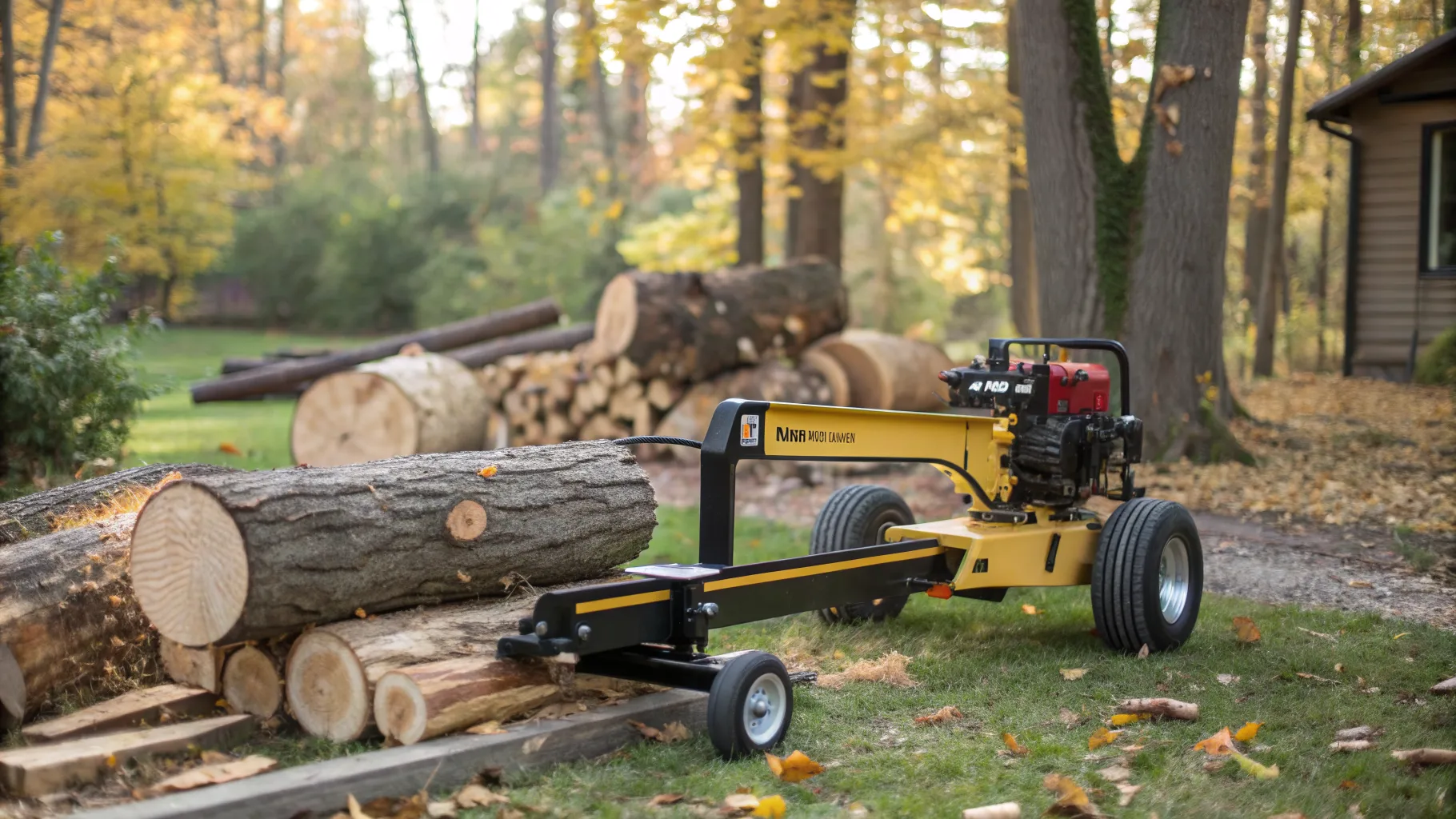
What size log splitter do I need? A UK tonnage guide by log diameter and wood type, with a simple formula, plus electric vs petrol picks for home firewood.
Read guide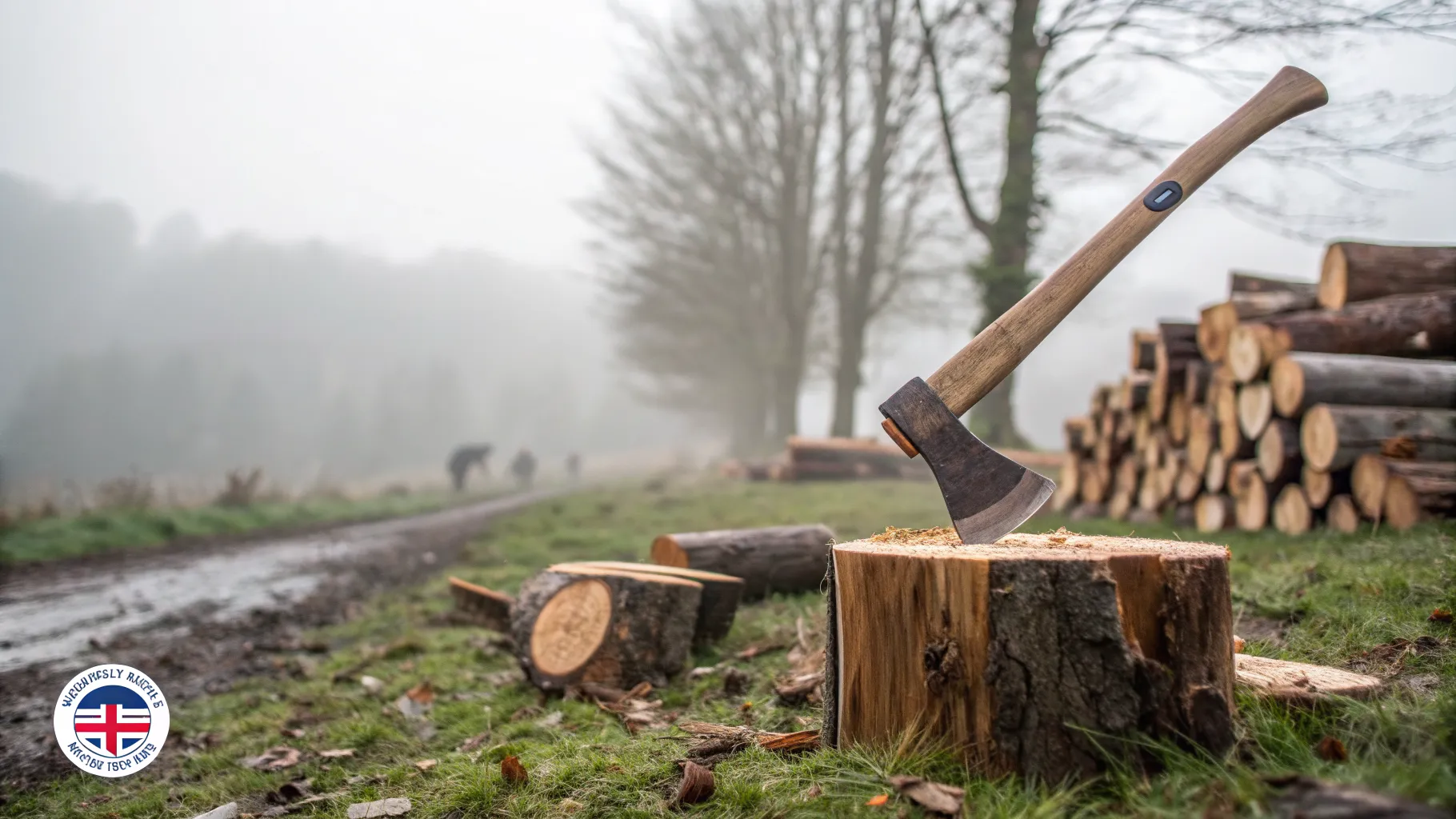
Hickory vs fibreglass axe handle, plus composite. The real trade-offs on shock, overstrike, weather and rehandling for splitting firewood in the UK.
Read guide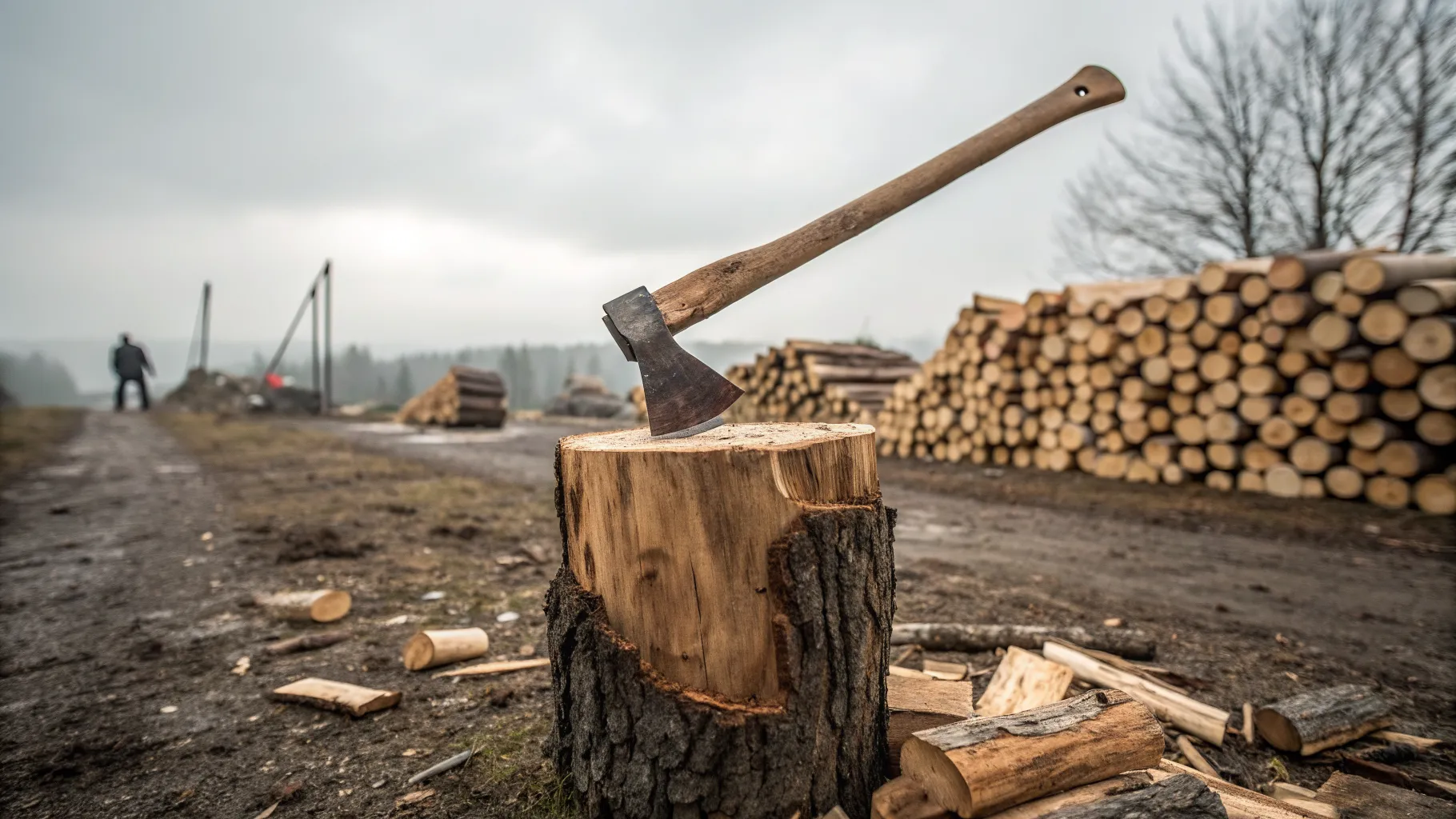
How to split logs by hand safely: the right tool, a proper chopping block, the tyre trick, correct technique and the back-saving mistakes to avoid.
Read guide
How to make kindling at home safely and fast: the best wood to use, the right tools, safe splitting methods that protect your fingers, and how to store it.
Read guide
How to sharpen an axe or splitting maul the right way: the correct bevel, using a file and stone, and simple maintenance to keep it splitting cleanly.
Read guide
The best cheap wood moisture meter under £20 UK picks for firewood, what you sacrifice versus a pricier meter, and how to get an accurate reading.
Read guide
An honest Valiant FIR421 moisture meter review: the traffic-light colour display, real accuracy on firewood, battery and value, and who should buy it.
Read guide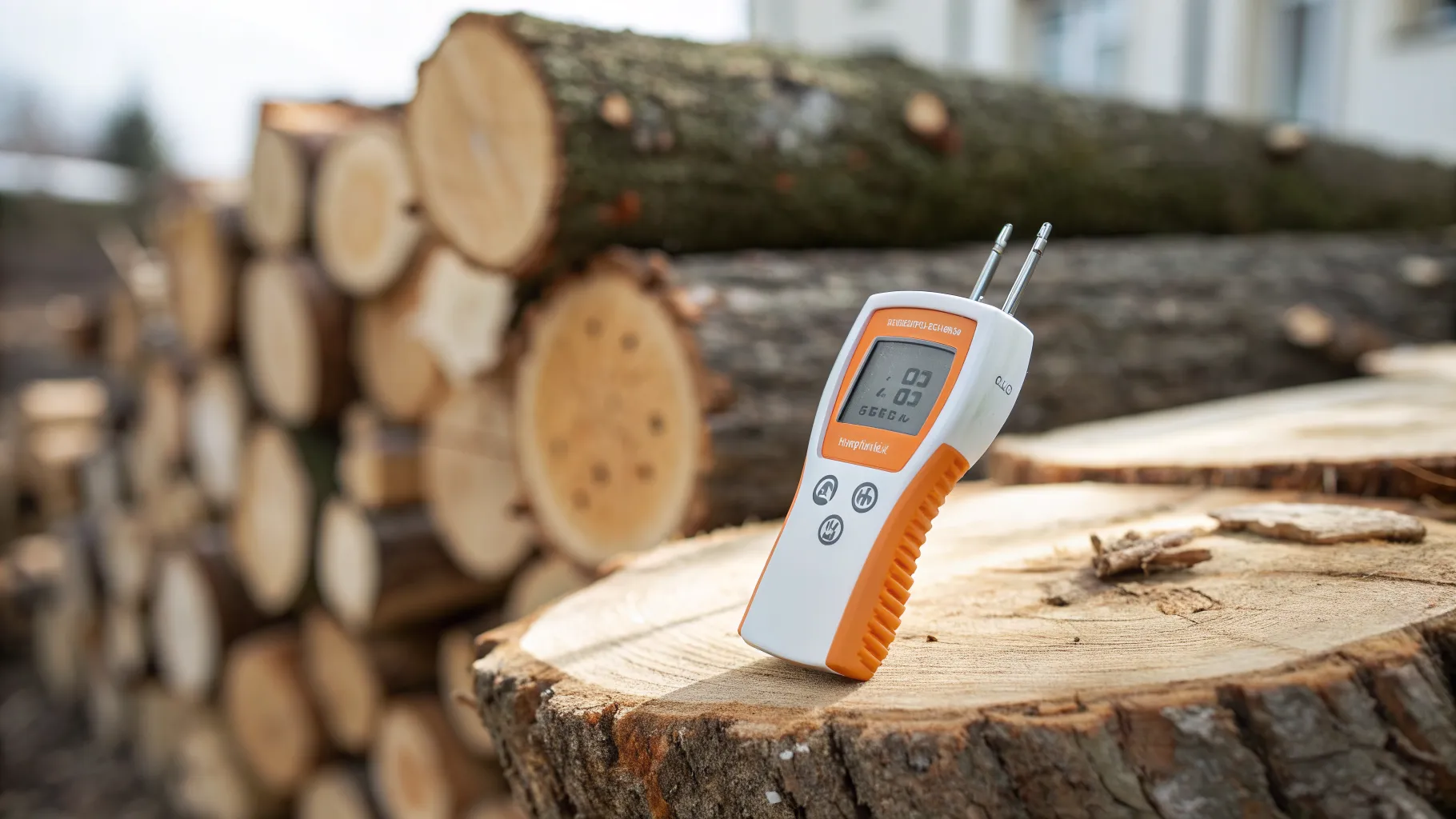
An honest Stihl moisture meter review: real specs, the battery annoyance, whether the brand name buys you accuracy, and how it compares to cheap meters.
Read guide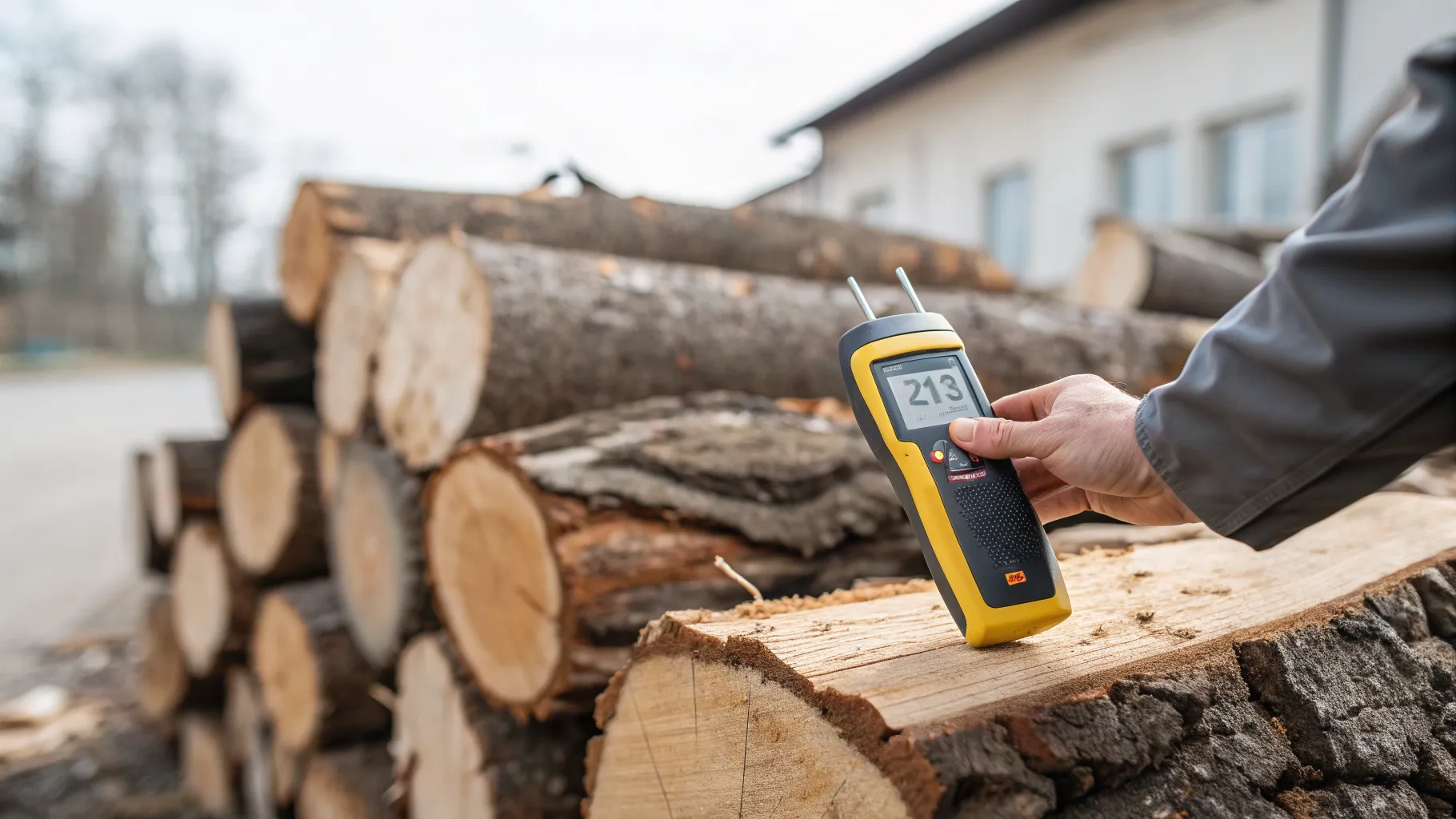
An honest Brennenstuhl Moisture Detector MD review: real specs, the two-in-one wood and damp trick, accuracy limits, and whether it beats a cheap meter.
Read guide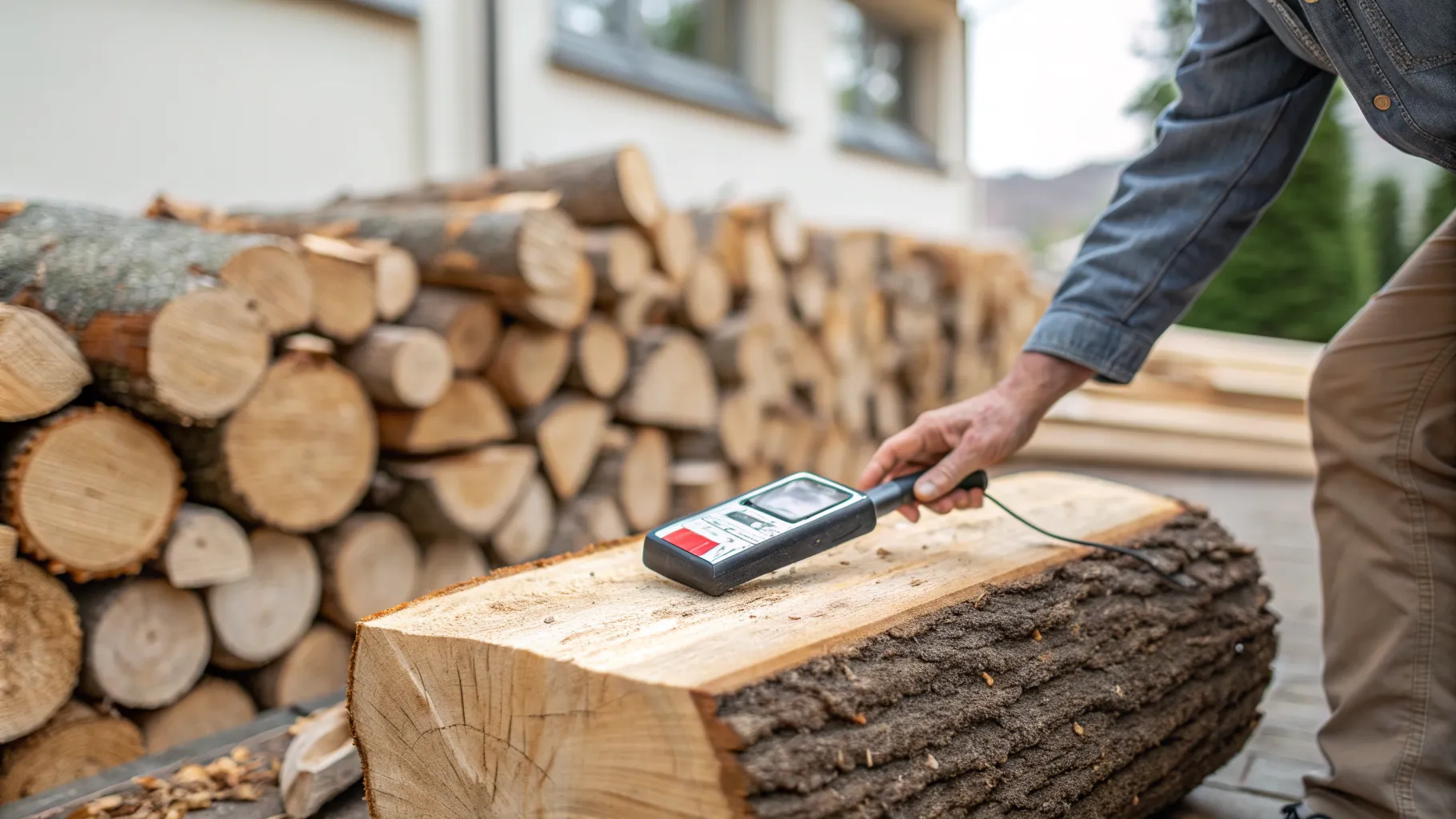
Our Proster moisture meter review: a cheap pin-type tester with four wood-group modes for mixed firewood, where it helps and who should buy it.
Read guide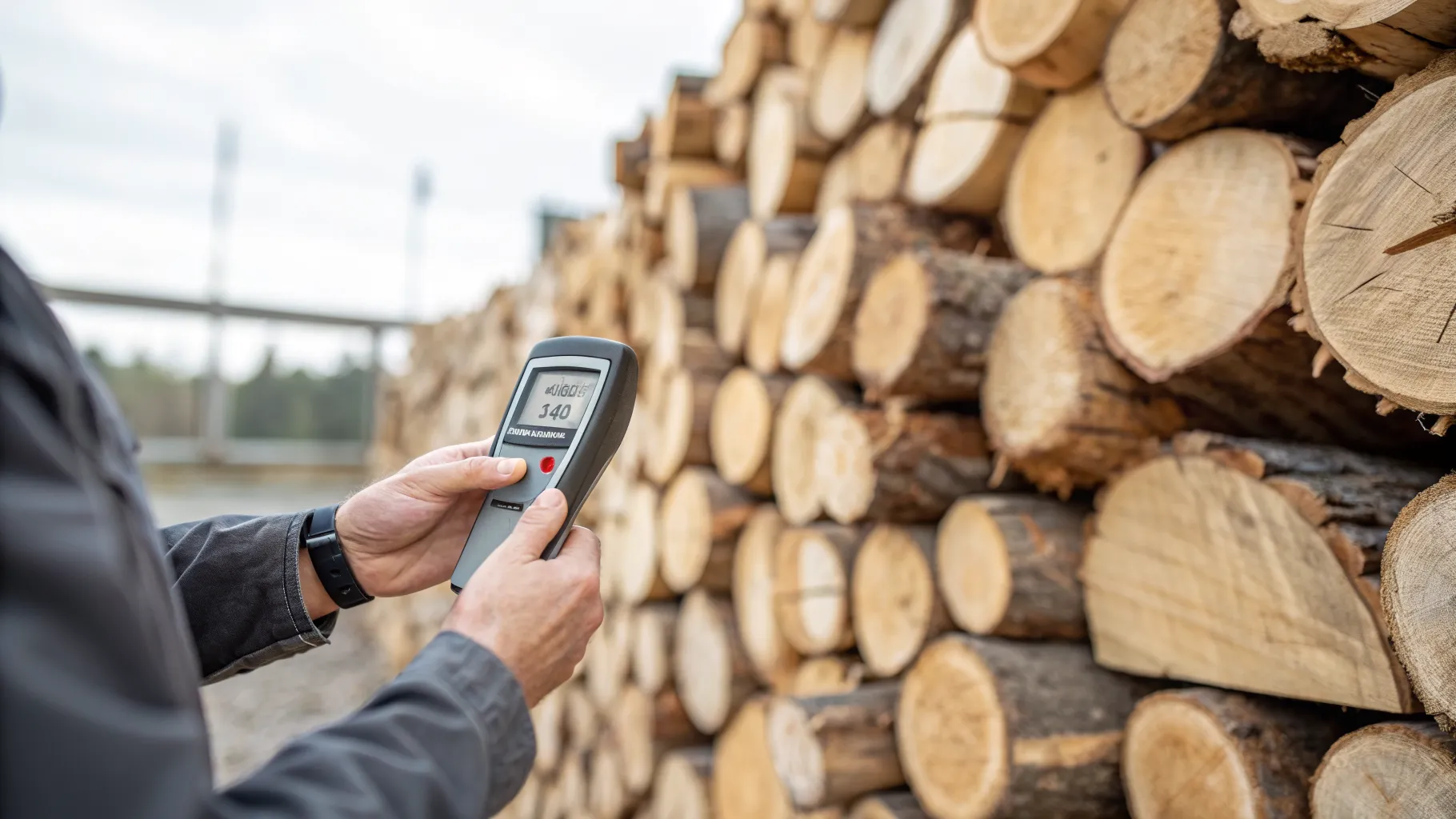
An honest Dr Meter moisture meter review for firewood: the MD812's range, accuracy and pins, whether it reads the 20% threshold reliably, and its limits.
Read guide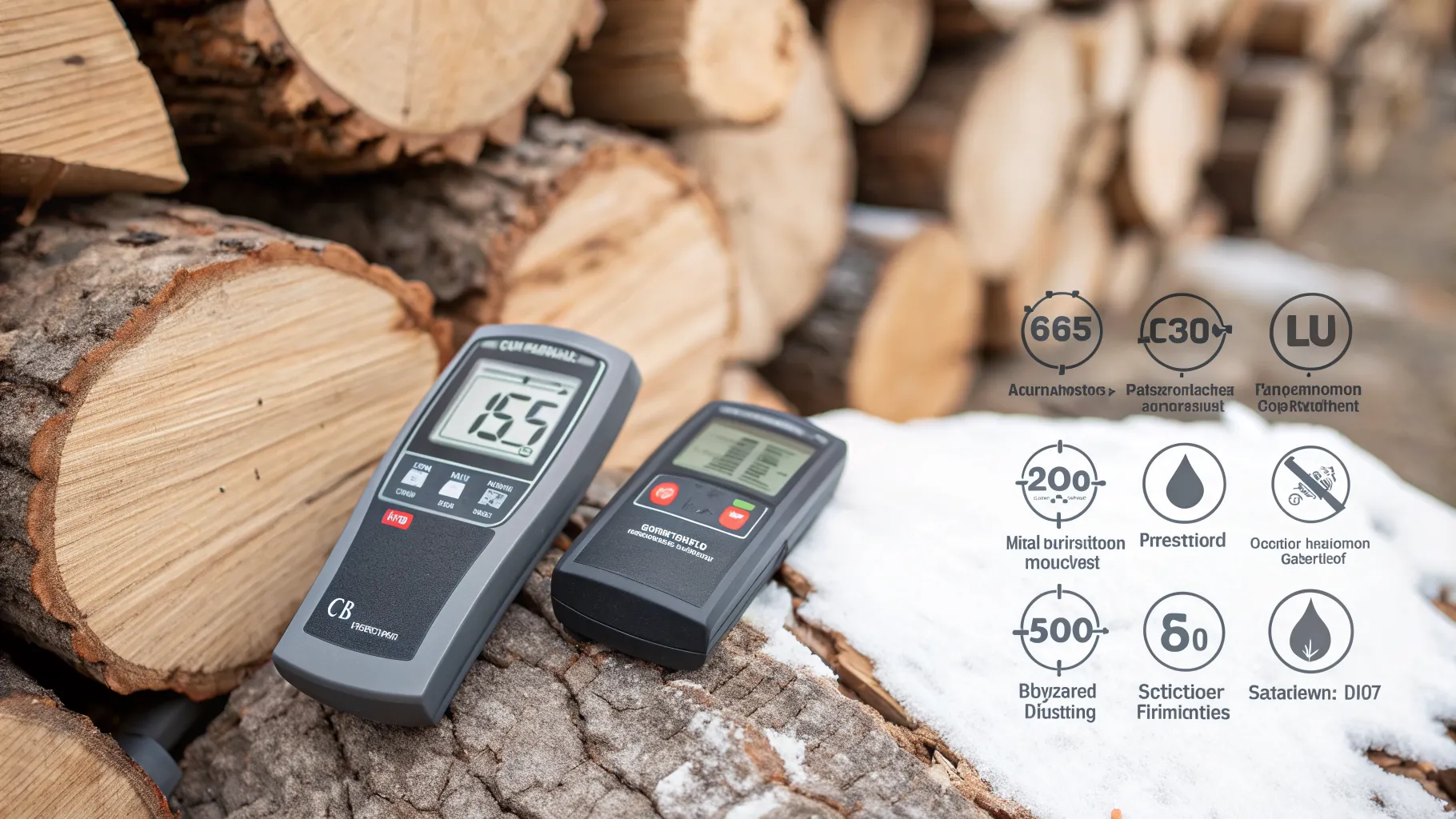
Stihl vs Valiant moisture meter, compared honestly: accuracy, batteries, the colour display, build quality, and which firewood tester actually suits you.
Read guide
The best eco firelighters UK stoves need are wood wool, not kerosene blocks. What the natural labels leave out, and the four worth buying.
Read guide
Best firelighters for wood burners UK, compared on published burn time: Flamers claim 10 minutes, Ecoblaze 8. And Ready to Burn does not cover firelighters.
Read guide
The best stove fan in the UK depends on your stove top temperature. Six Ecofan and Valiant fans compared on start temperature, airflow and height.
Read guide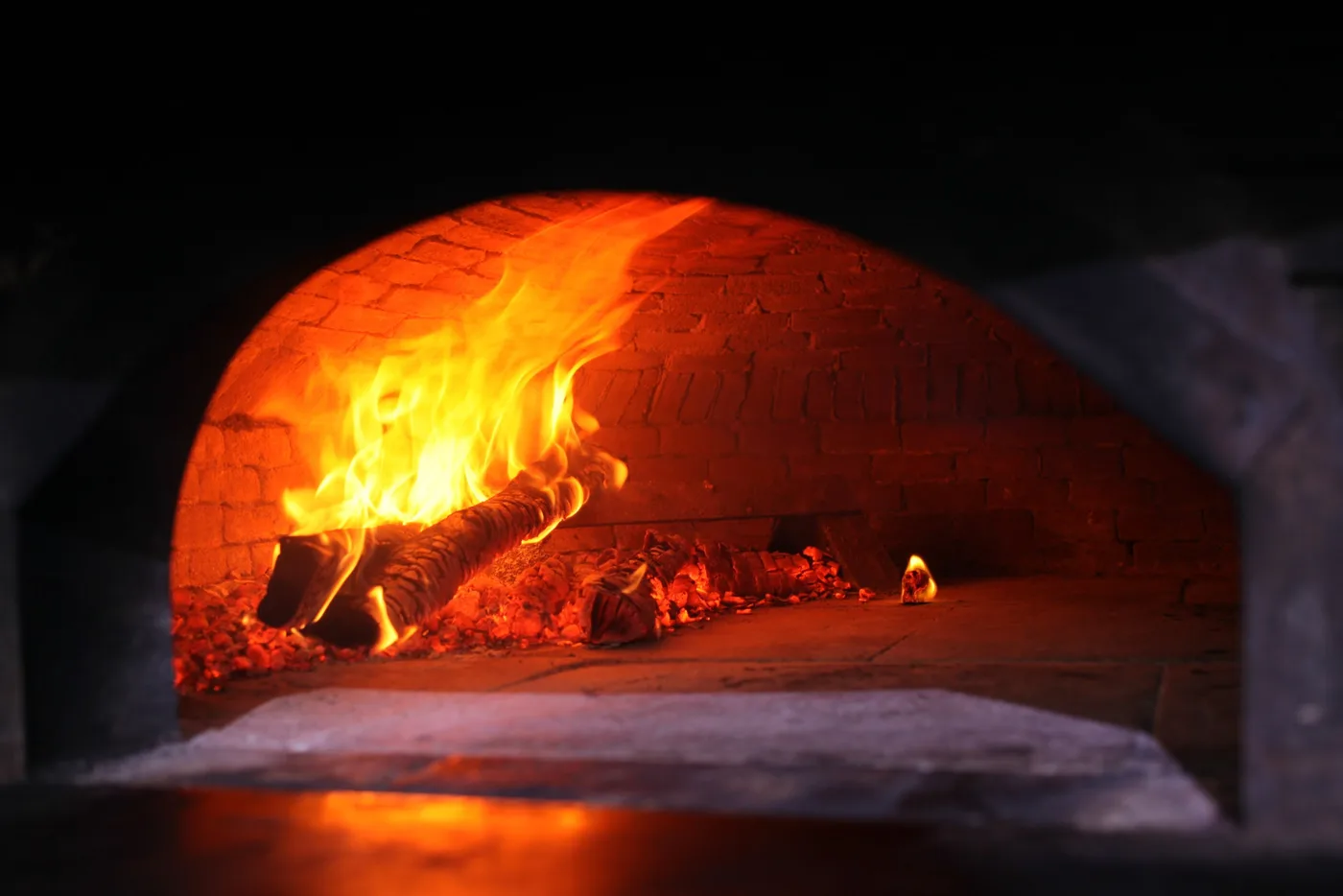
The best logs for a pizza oven and a fire pit in the UK: why ash lights the oven and oak holds 500°C, what softwood does to your dome, and the 2m³ legal line.
Read guide
The best long matches for a wood burner are 280mm, not the 94mm boxes sold as extra long. What that difference means when reaching past hot glass.
Read guide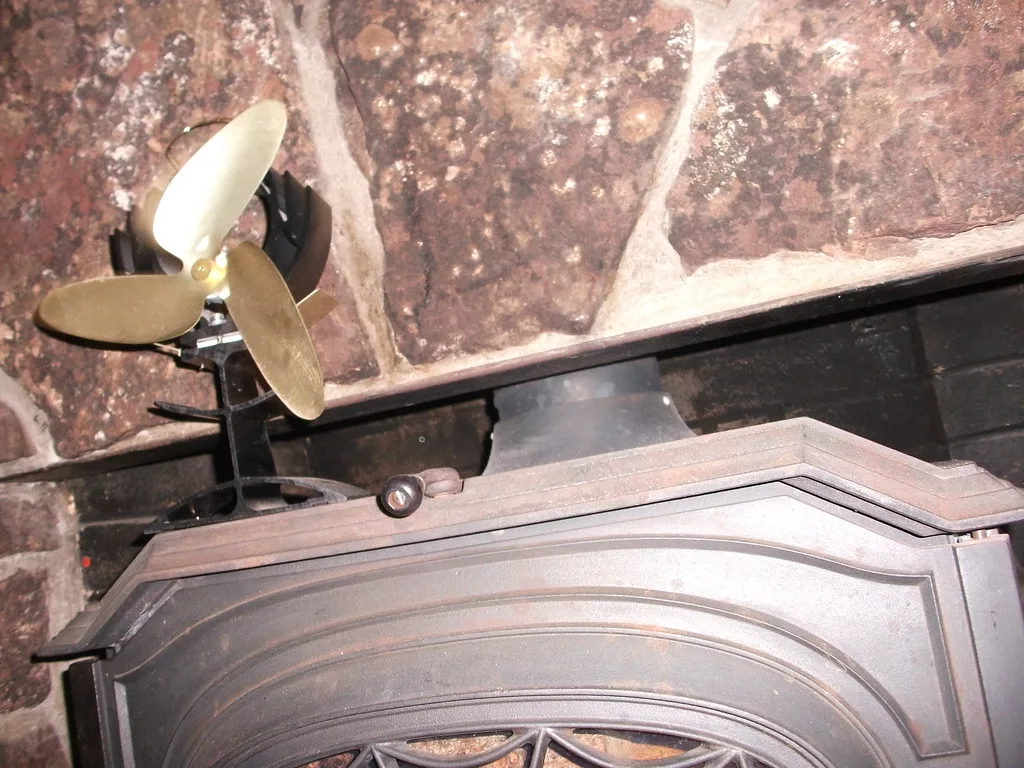
Do stove fans work? Yes, at spreading heat: a 2010 study found about 14% less wood for the same comfort. What a fan cannot do, and how to test yours.
Read guide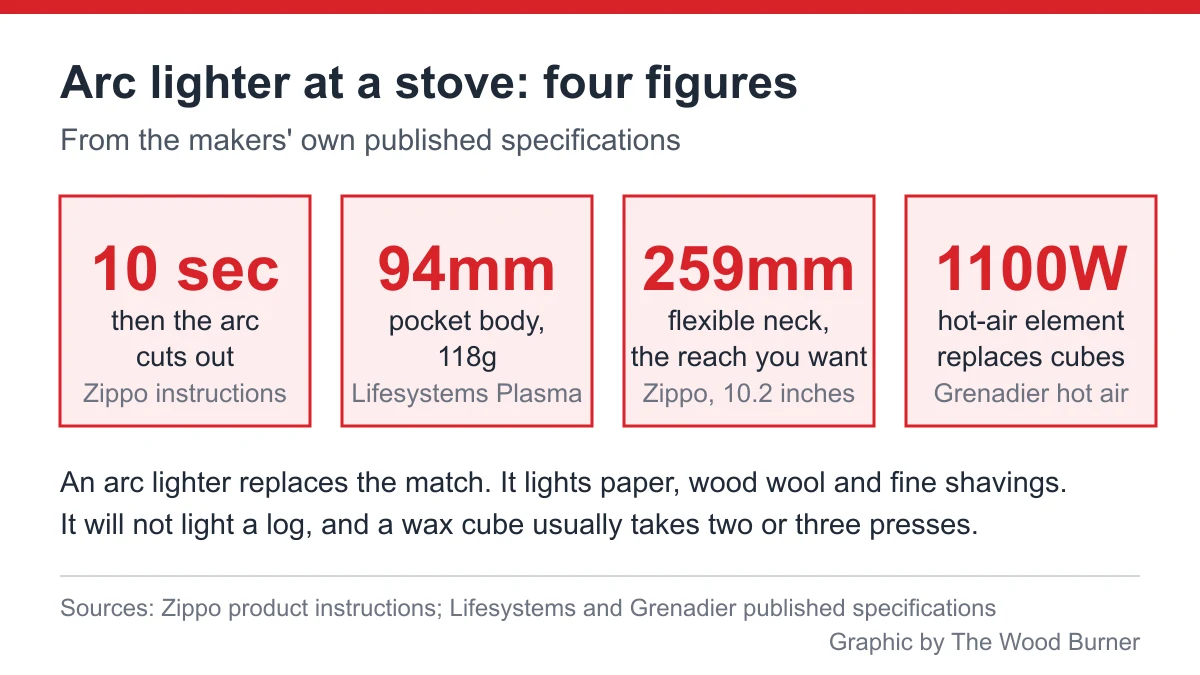
An electric arc lighter for a wood burner replaces the match, not the firelighter. The 10-second cut-off, the reach you need, and what it will not light.
Read guide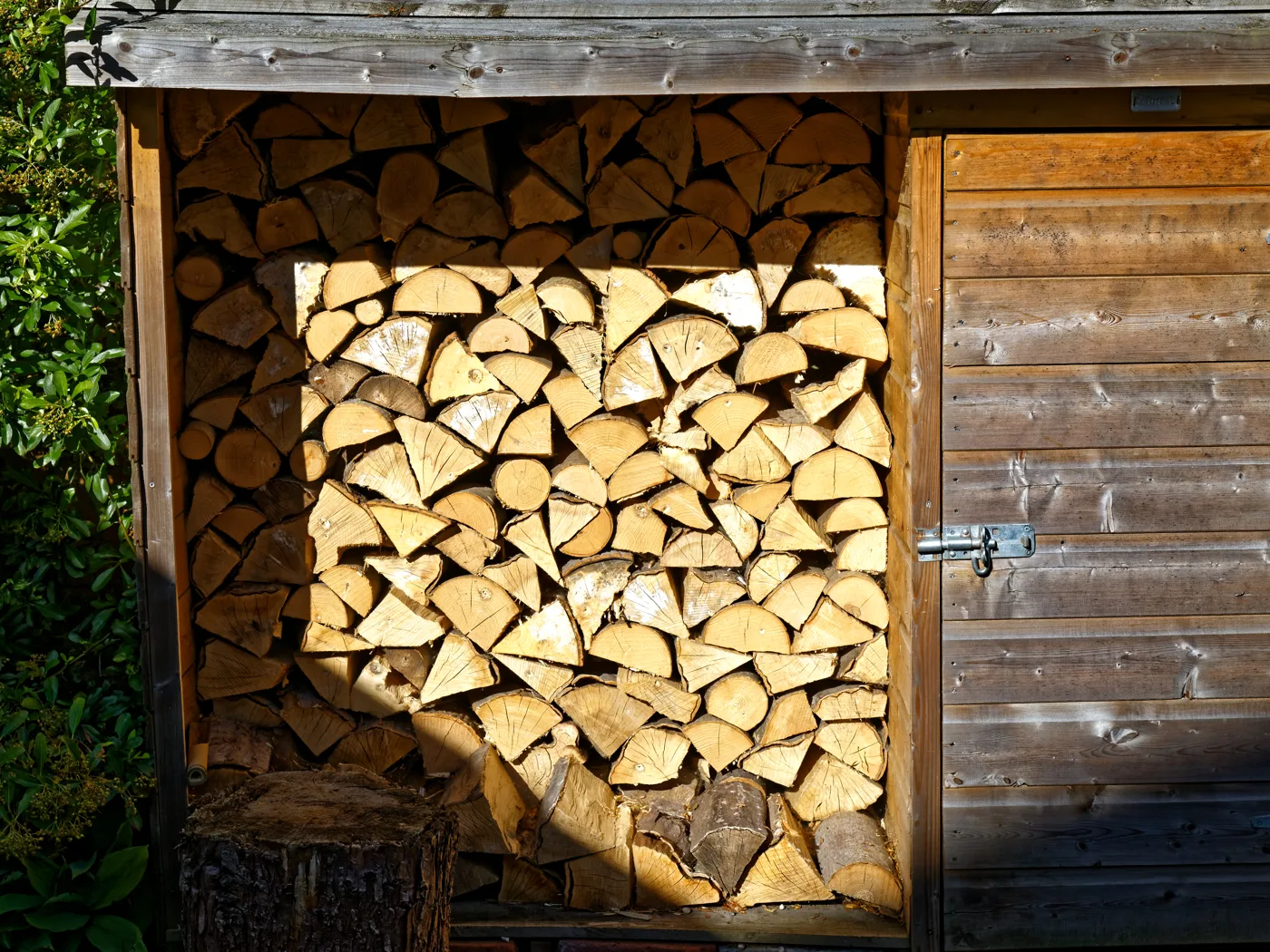
Buying kiln-dried logs in the UK: how loose and stacked cubic metres differ, what a builder's bag really holds, and how to compare merchants honestly.
Read guide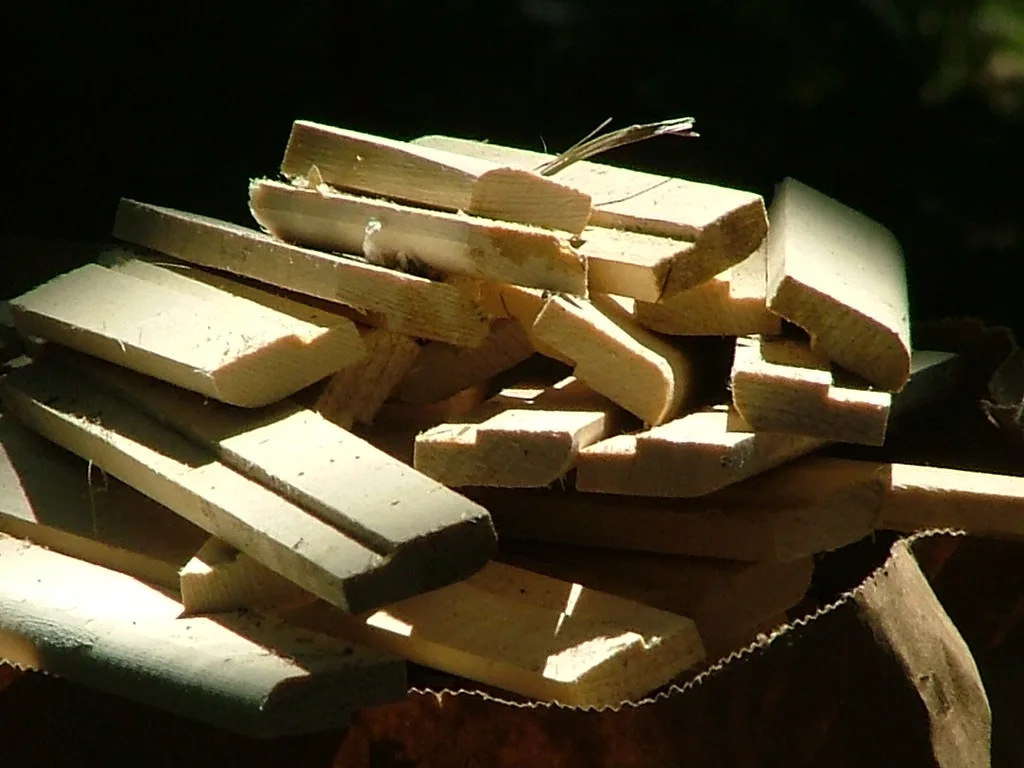
Flamers firelighters review: a 10-minute wood wool burn, made in Britain, lights when wet. What the paraffin wax means and when cheap cubes beat them.
Read guide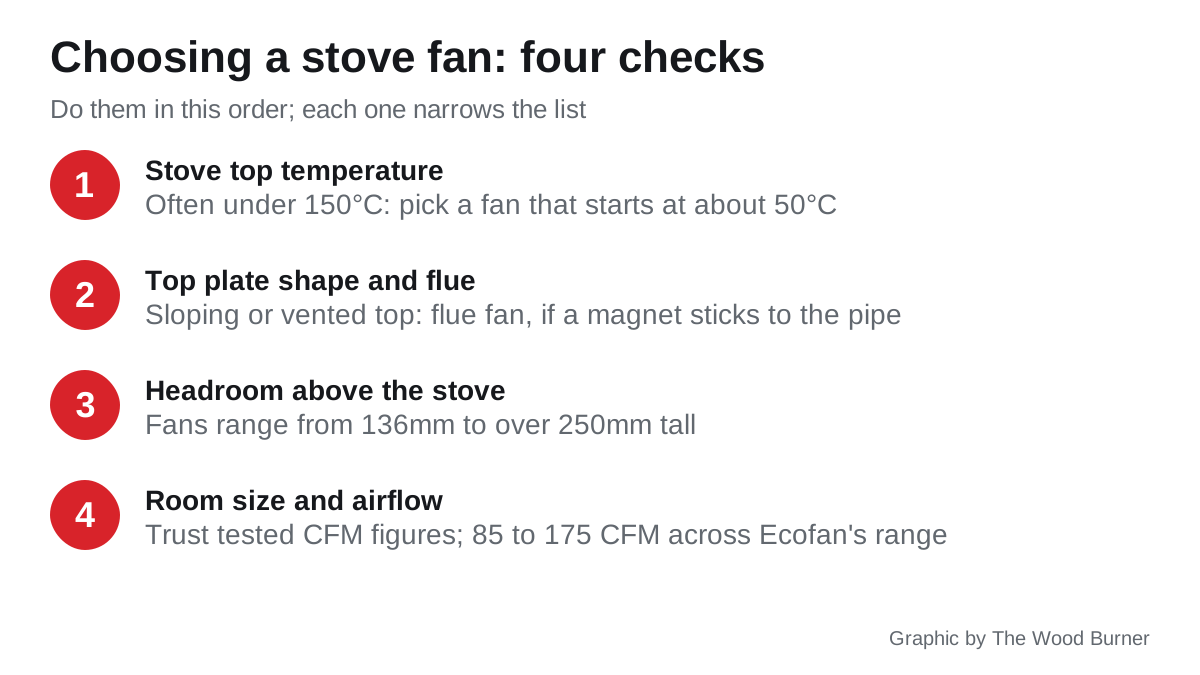
How to choose a stove fan: match its start temperature to your stove top first, then check the top plate, headroom and tested airflow. Four checks, in order.
Read guide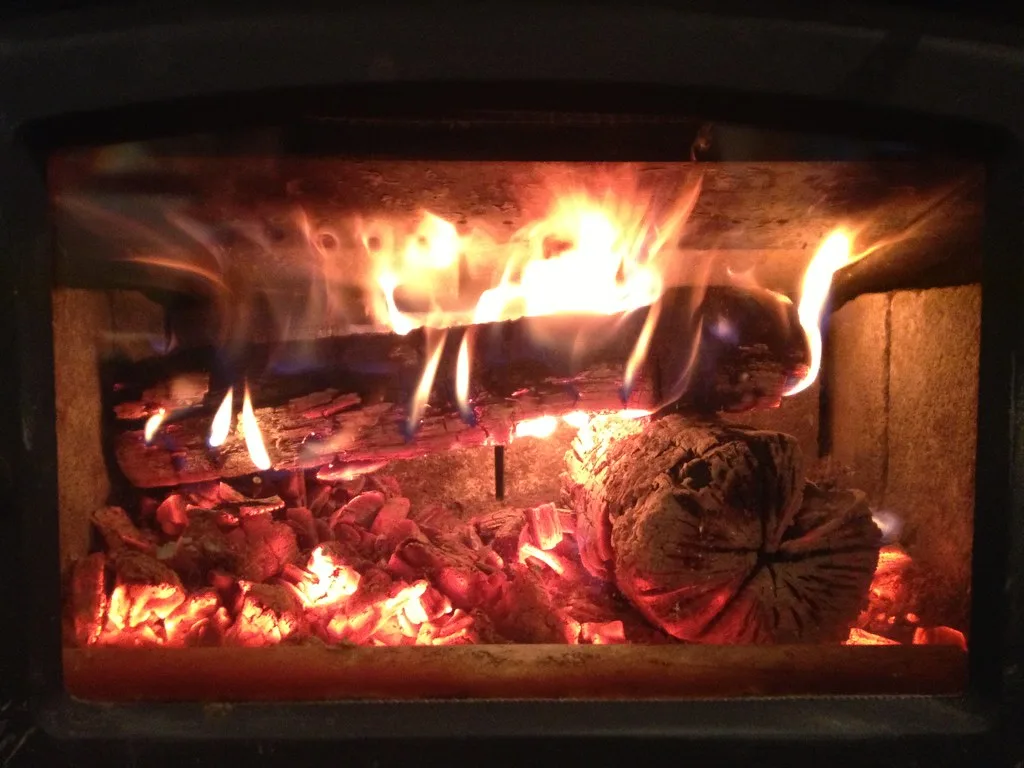
How to light a wood burner top down: the stack order that halves the smoke, the air settings, and the one traditional tinder the researchers tell you to drop.
Read guide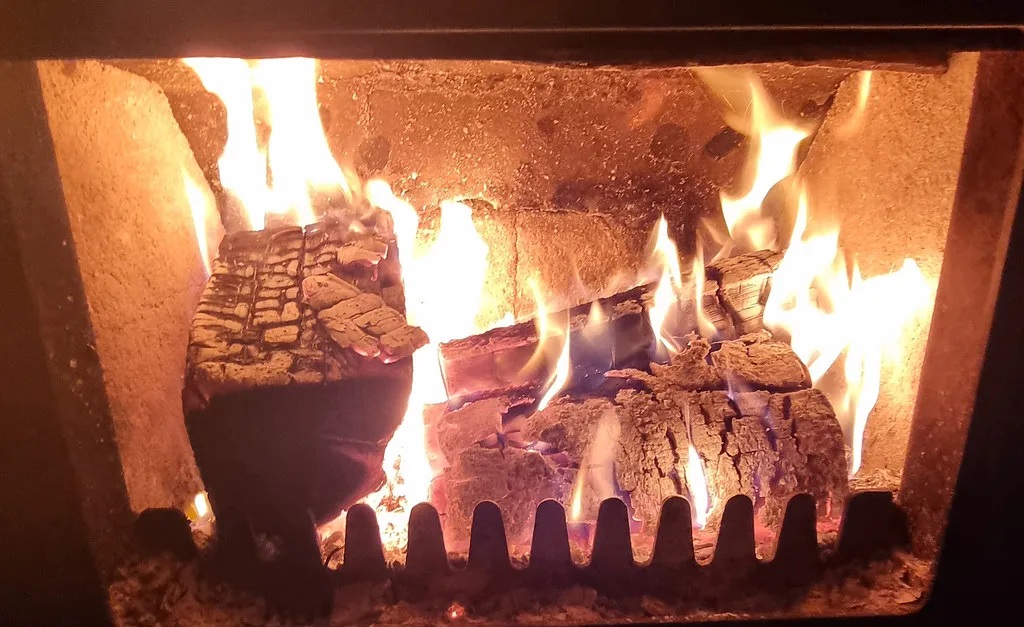
Lekto firelighters review: the 10-minute wood wool burn and the one-per-fire claim tested, plus what a proprietary natural wax does and does not tell you.
Read guide
Log Barn firelighters review: wood wool in an unnamed natural wax, a 10-minute burn, boxes from 40 to 1,000, and when two per fire is the honest number.
Read guide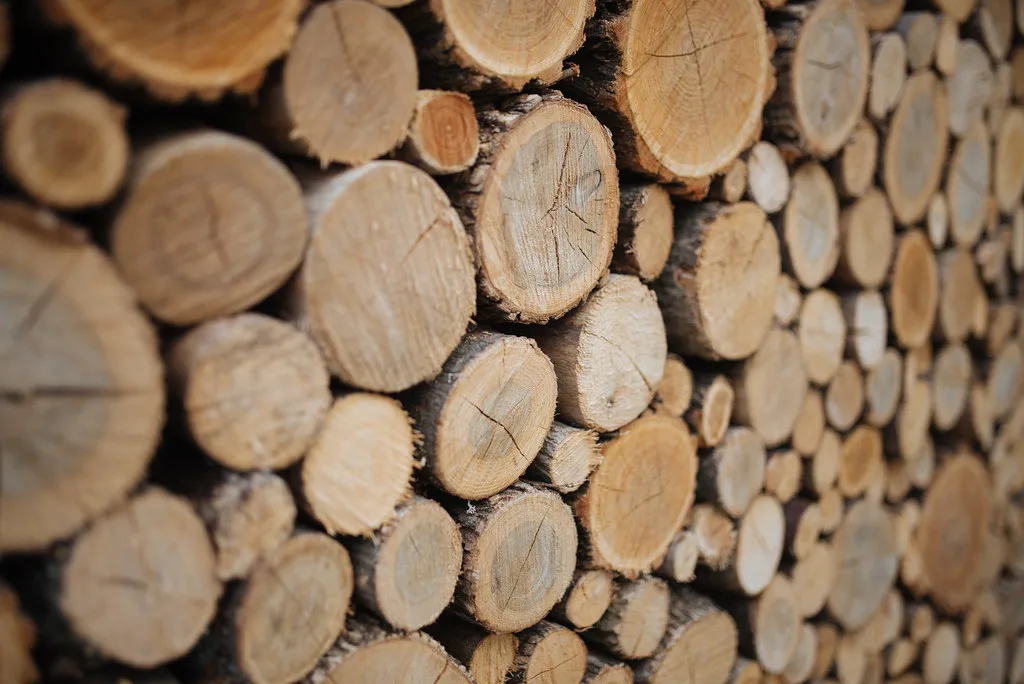
Pin vs pinless moisture meter for firewood: why pin meters win for logs, how each type works, and the one measuring mistake that gives false low readings.
Read guide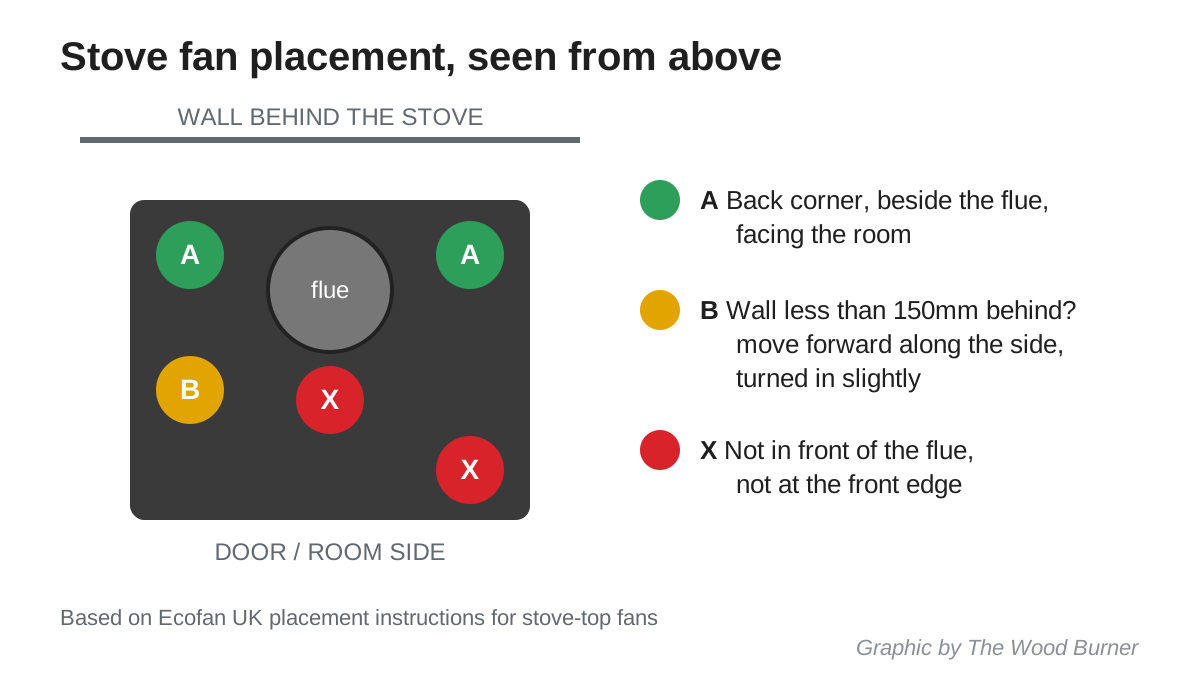
Where to place a stove fan: a back corner of the stove top, beside the flue, facing the room. What to do with a close wall, an inset stove or two fans.
Read guide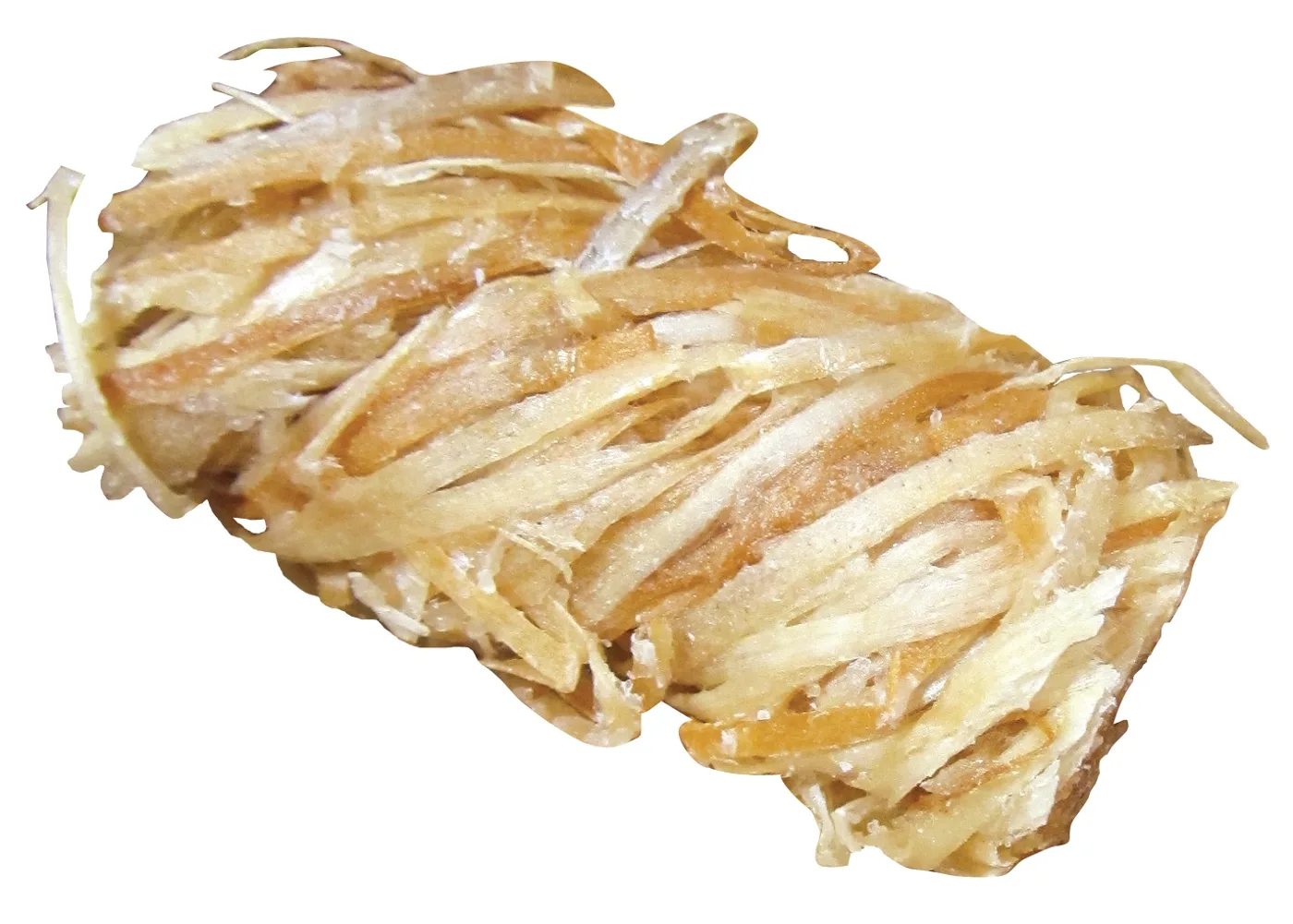
Wood wool vs cube firelighters: wood wool catches faster with a bigger flame, cubes are tidier and snap to size. Burn times, wax types and which to buy.
Read guide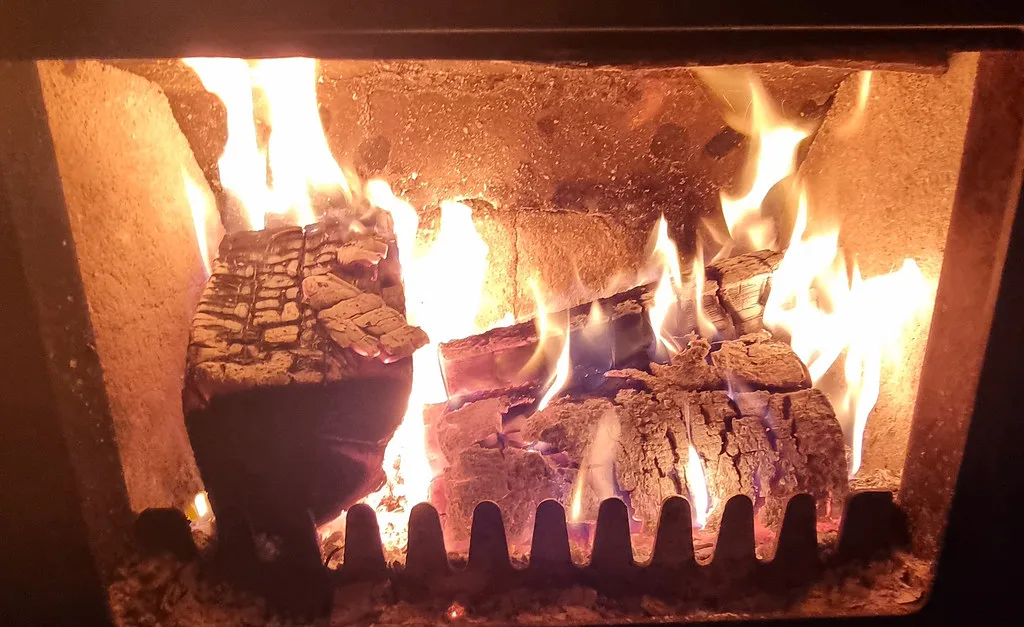
Zip natural firelighters review: FSC wood and natural wax instead of the kerosene in Zip's white blocks, and what that changes for a stove, BBQ or pizza oven.
Read guide
Free stove size calculator: enter your room dimensions, insulation and glazing to get the right wood burning stove heat output in kW, with a warning if a stove is oversized.
Read guide
ASA bans Brighton's 'cosy killer' wood burner advert, the Doncaster trade show signals where stoves are heading, plus a flue heat-recovery device.
Read guide
Norwich votes to go citywide on smoke control despite public opposition, a former HETAS chief gets an OBE, and what owners in new control areas actually have to do.
Read guide
Defra's 2025 figures show England closing in on its PM2.5 target early, the ASA revises its stove ruling, and installer competencies become mandatory.
Read guide
Free wood burner running cost calculator: turn what you pay for firewood into a real cost per useful kWh of heat, an evening's cost and a winter total, then compare it against mains gas, electric and oil heating.
Read guide
Scotland's stove report rules out bans and taxes, the Climate Committee sidelines solid fuel, and Defra's plan tracks early air quality wins.
Read guide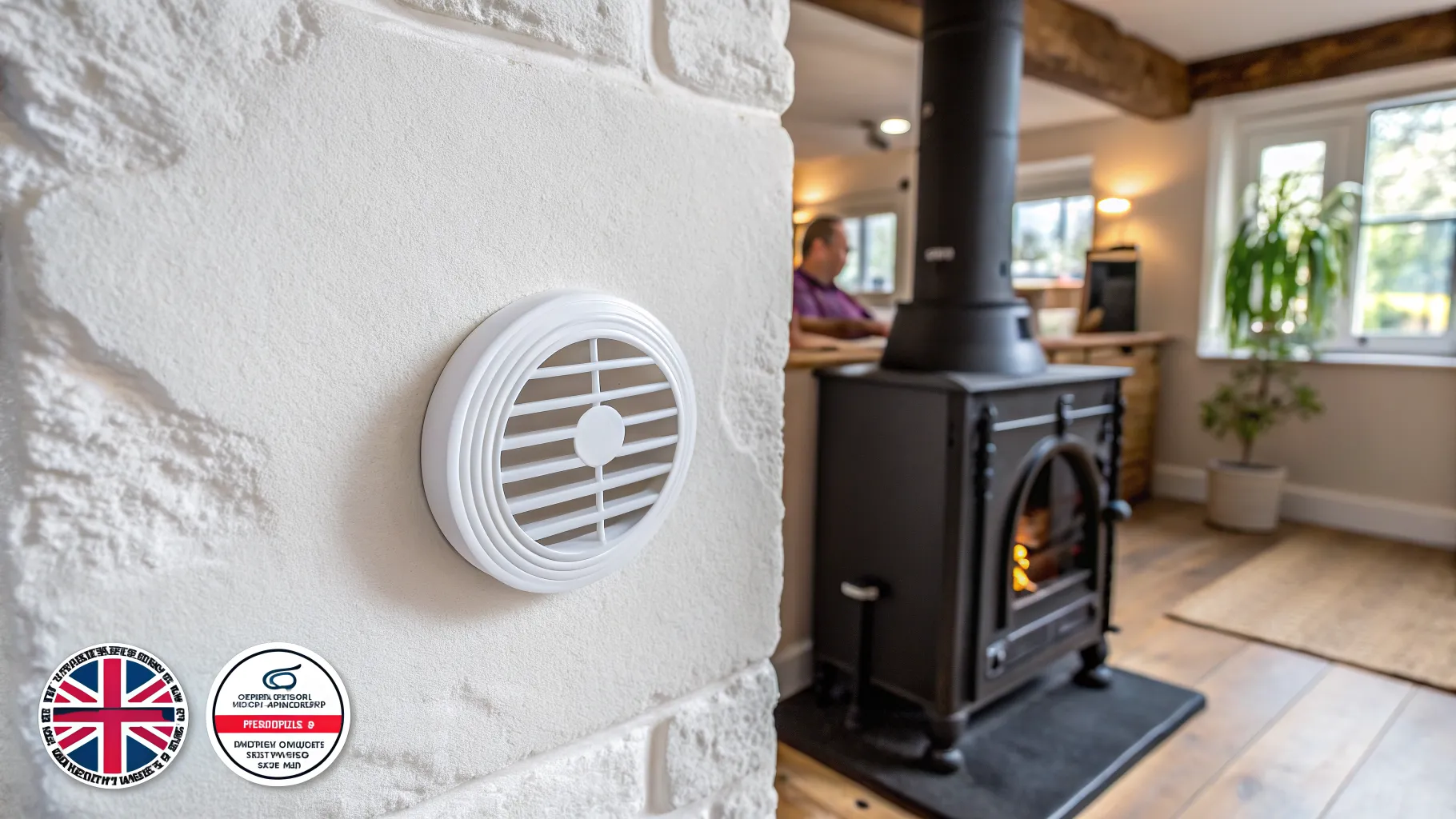
Free wood burner air vent calculator: enter your stove's kW rating and how airtight your home is to get the free air area (in mm) and equivalent vent size your installation needs under Approved Document J.
Read guide
How to use a log splitter safely: step-by-step electric log splitter operation, the PPE to wear, two-hand controls, and the mistakes that cause injuries.
Read guide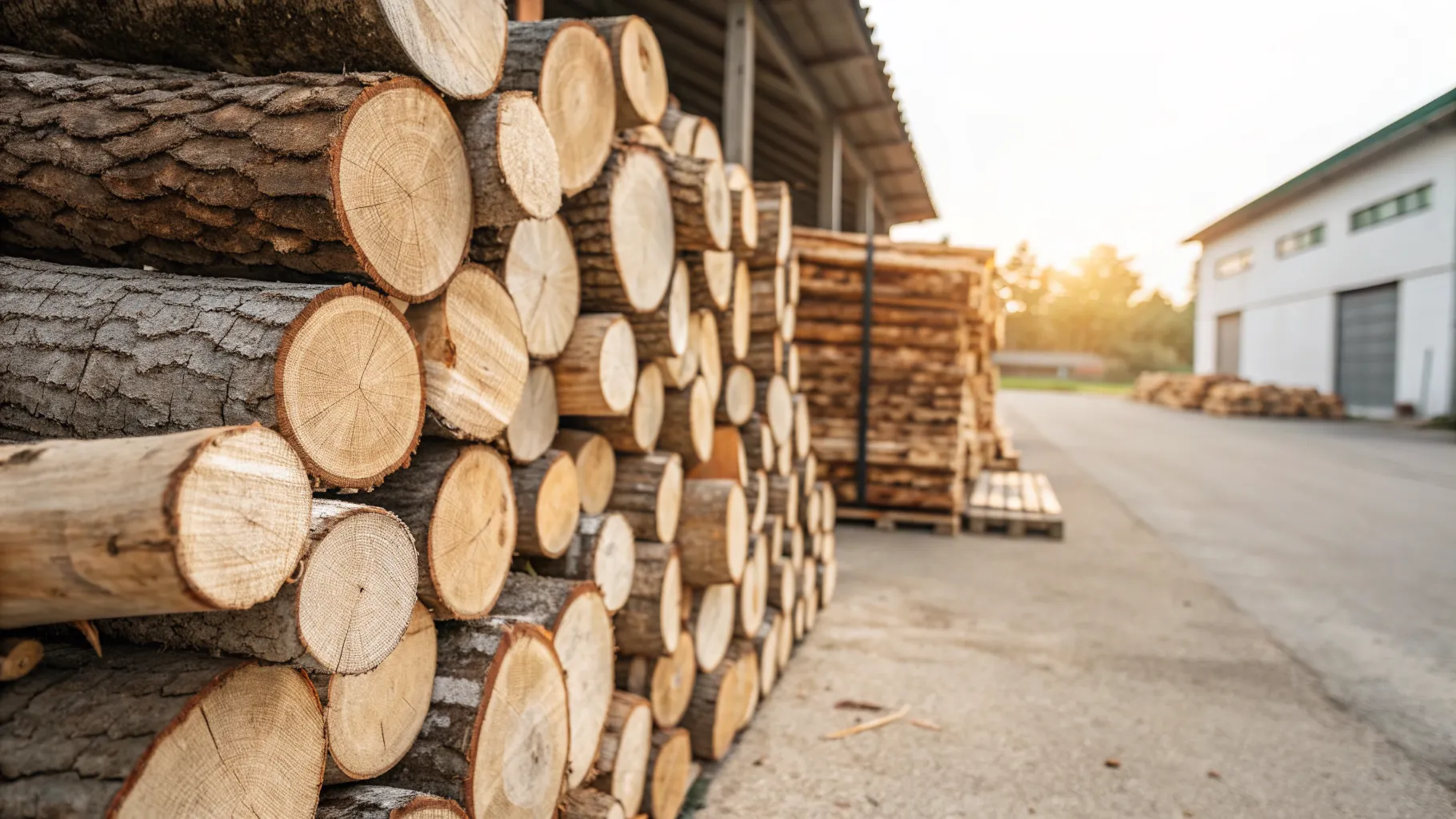
Free firewood heat comparison calculator: pick a wood species and see the heat it gives off per stacked cubic metre, ranked against ash, oak, birch, pine and more, so you know which logs are best to burn.
Read guide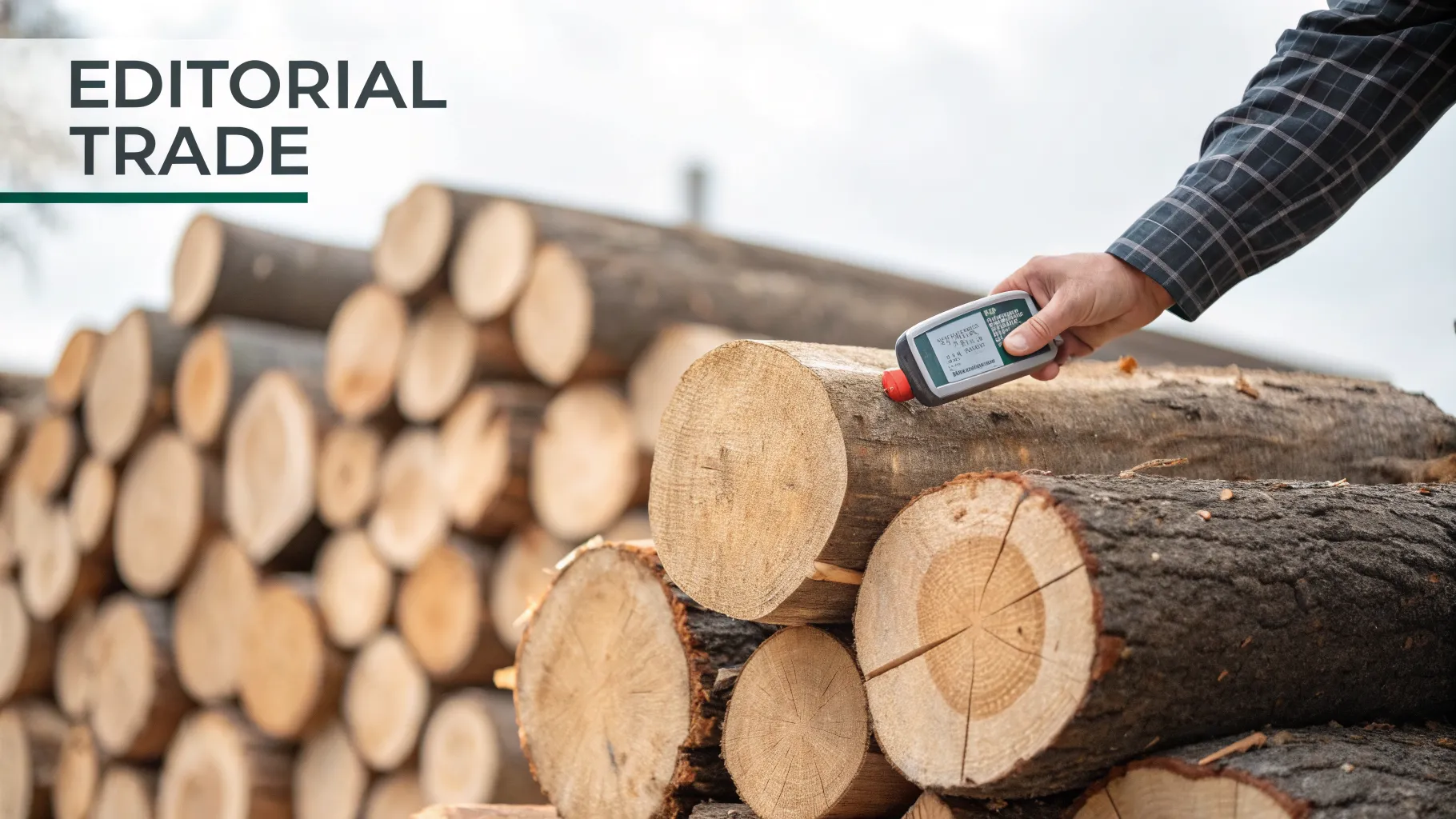
The best firewood moisture meter UK picks for 2026, from budget pin meters to the Stihl and Valiant, plus how to use one to hit under 20% moisture.
Read guide
Cheap vs expensive moisture meter for firewood: does a branded Stihl really beat a sub-£15 generic, or do they read the same? An honest UK verdict.
Read guide
Ofgem's 26 August announcement puts gas bills up 8% from 1 October while electricity stays flat on a VAT cut. Here is what that changes for stove owners.
Read guide
England logged 1,665 chimney fires in 2025-26, down 18%, but sweeps report owners cleaning less often and 44% blame cost. Plus a clean air consultation.
Read guide
Sadiq Khan has asked Defra for powers to restrict wood burners in London homes, but nothing has changed yet. Plus the new GOV.UK air pollution alerts.
Read guide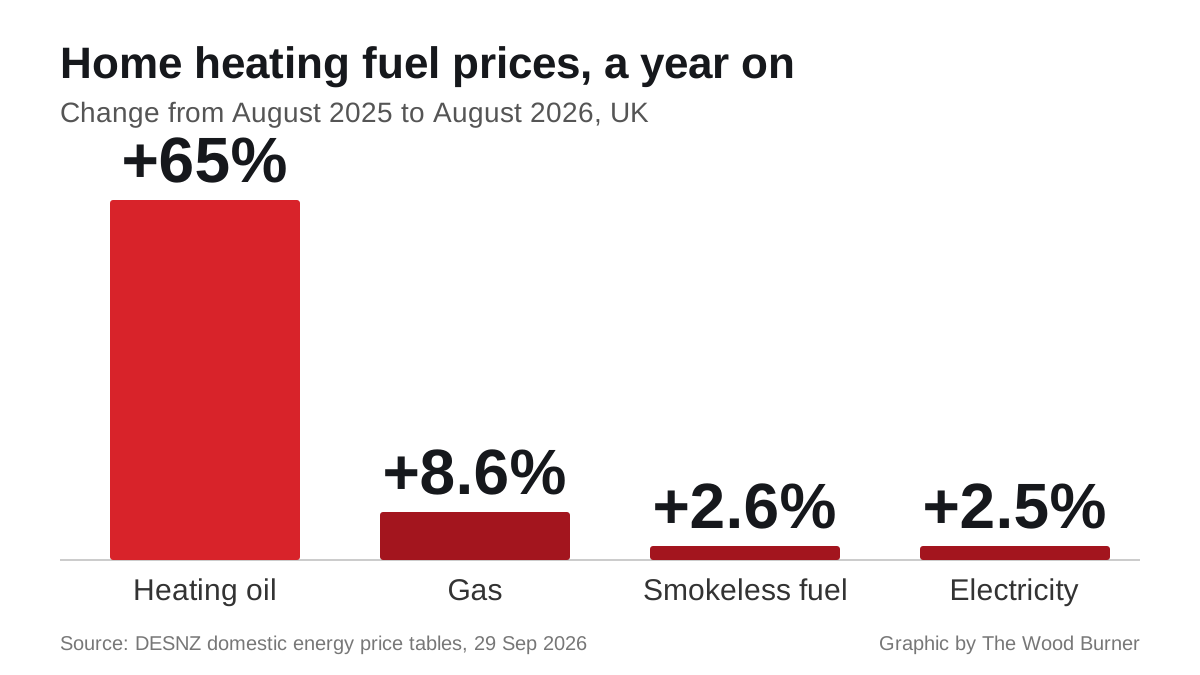
Kerosene averaged £931.60 per 1,000 litres in August, 65% up on a year ago, while smokeless fuel rose 2.6%. Plus HETAS inspectors and a £53m tree fund.
Read guide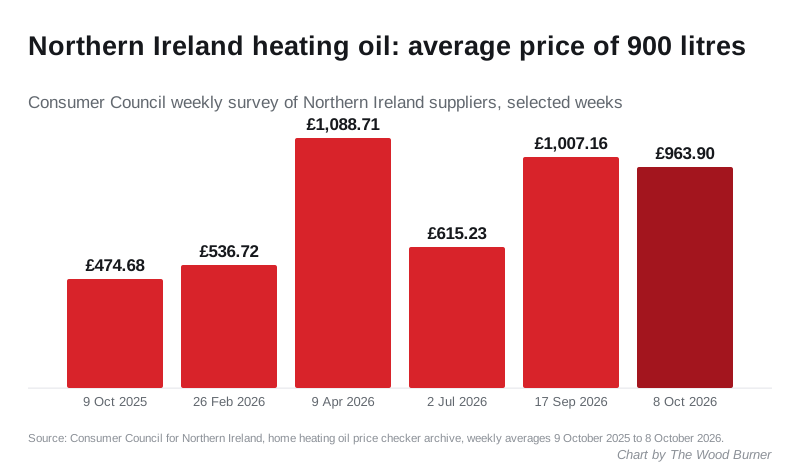
NI heating oil averaged £963.90 for 900 litres on 8 October, double a year ago. Plus a mini chainsaw stopped at the border and Ireland's €2,000 scrappage grant.
Read guide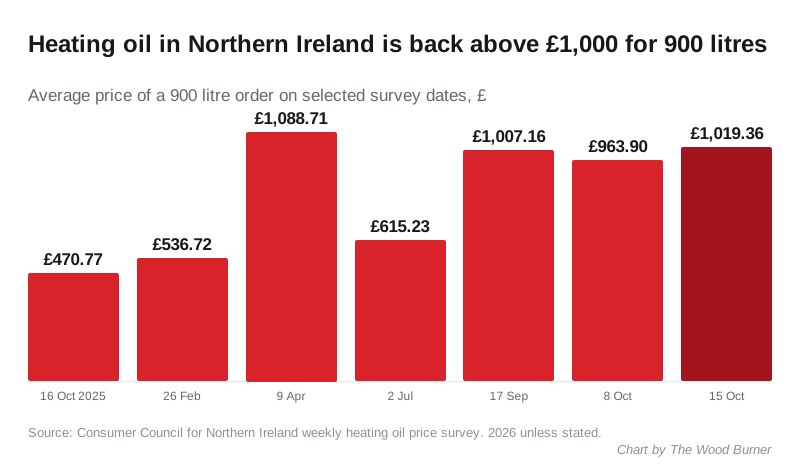
NI heating oil jumped £55.46 in a week to £1,019.36 for 900 litres on 15 October, its highest since April. Plus another mini chainsaw stopped at the border.
Read guide
How to choose a moisture meter for firewood: pin vs pinless, the accuracy and range that matter, and the features worth paying for to hit the 20% rule.
Read guide
The best log splitting axes for UK wood burners in 2026: Fiskars X25 (now X32), X27 (now X36), plus budget and premium picks.
Read guide
The best splitting mauls and axes for UK firewood in 2026, segmented by job, with an honest take on maul vs axe and 6lb vs 8lb.
Read guide