Brennenstuhl Moisture Detector MD Review: Firewood and Damp
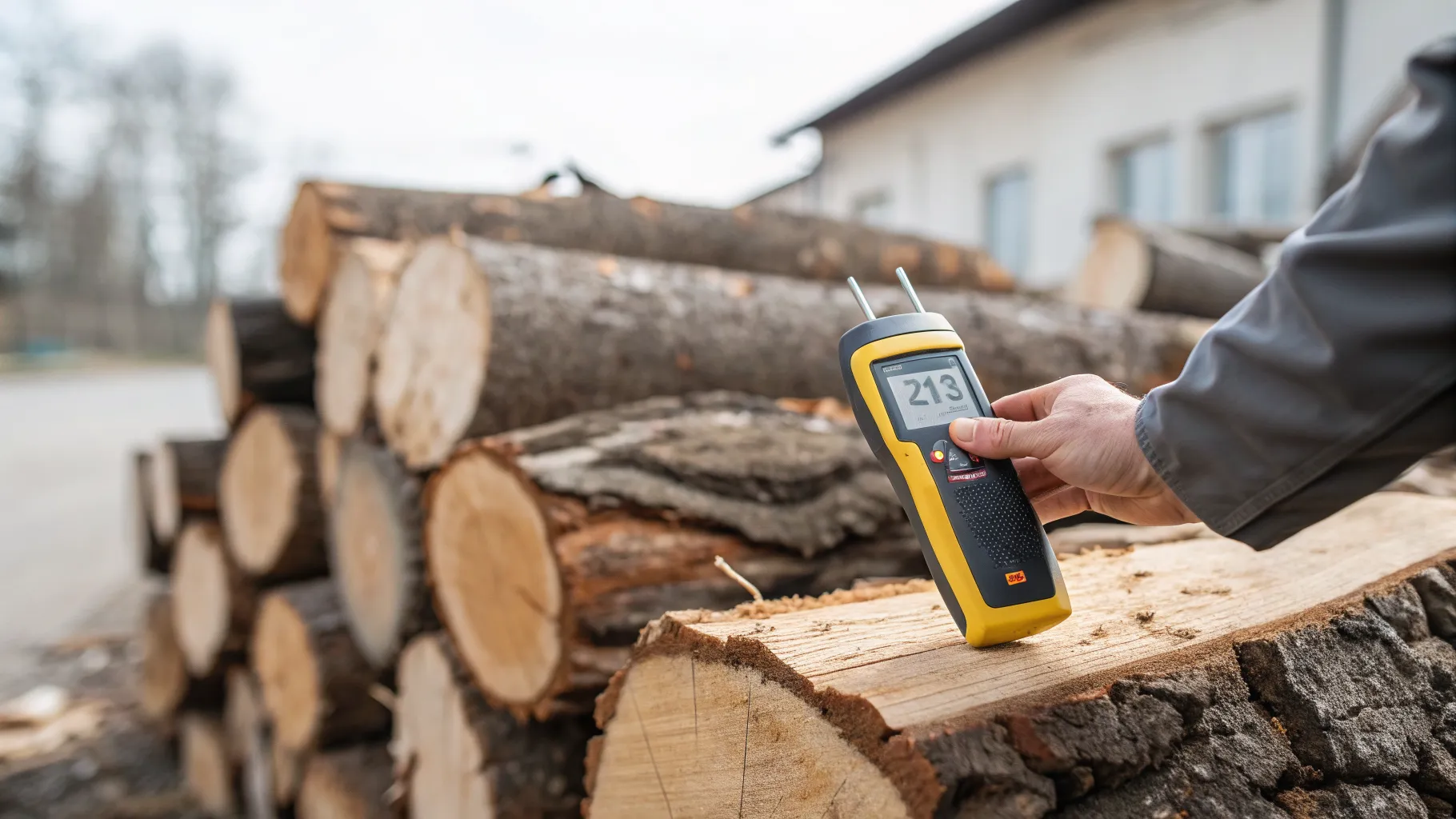
Most people meet the Brennenstuhl Moisture Detector MD while shopping for a firewood meter and notice it also claims to find damp in walls. That two-in-one pitch is the whole story here, so this Brennenstuhl Moisture Detector MD review asks the only questions that matter: does it check your logs properly, is the damp-detecting a genuine extra or a gimmick, and does the German-brand badge buy you anything a £15 firewood meter does not?
The short version: it is a solid, well-made pin meter that reads firewood accurately enough and doubles as a handy building-materials checker, with one small quirk you should know before you buy.
What it is
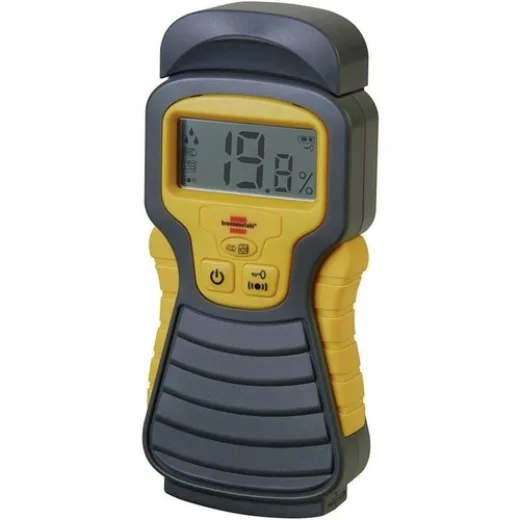
The Brennenstuhl Moisture Detector MD, part number 1298680, is a two-pin meter. You press its two metal probes into a material and read a moisture percentage off a large LCD. It is built for two jobs: checking the moisture content of firewood, and checking building materials such as concrete, brick, screed, plasterboard and wallpaper for damp.
The specifications, from Brennenstuhl’s own product information:
- Measuring range: 5% to 50% on wood
- Also reads: building materials at 1.5% to 33%
- Display: large LCD, 0.1% resolution, plus an acoustic signal you can switch off
- Hold function: freezes the reading for awkward-to-reach spots
- Auto switch-off: roughly three minutes after last use, to save the battery
- Battery: one 9V PP3 block (not supplied)
That wide range is the point. Firewood lives in the 5% to 50% band from freshly felled to bone dry, and the building-materials scale covers the damp readings you would want off a wall. The hold function is genuinely useful when you are measuring a corner or up a wall where you cannot see the screen while pressing the pins in.
The two-in-one trick: useful or gimmick?
This is where the MD differs from a pure firewood meter, and for once the extra function is real rather than marketing. Because it has a separate scale for building materials, you can use it to spot rising or penetrating damp in plaster, check a wall before decorating, or find out whether that patch behind the sofa is actually wet. It will not diagnose the cause of damp, and it is no substitute for a surveyor on a serious problem, but as a first-line “is this wet or am I imagining it” check around the house, it earns its keep.
For firewood specifically, it does exactly what a dedicated meter does. If you only ever want to check logs, a cheaper single-purpose meter measures the same wood just as usefully; the MD makes sense when you also want the damp function. Our guide to best cheap moisture meters under £20 covers the budget firewood-only route, and the Valiant FIR421 review looks at the most popular UK firewood alternative.
The quirk: the 9V battery
The one thing to know before buying: it runs on a 9V PP3 block, and the battery is not included. A 9V block is not as ubiquitous as the AAA cells many rival meters use, so you may need to buy one with it. On the plus side, a single 9V lasts a very long time in a device used for thirty seconds at a time, and the auto switch-off protects it further. It is a minor point, but it is the difference between using the meter the day it arrives and leaving it in a drawer until you find a battery.
Does the brand buy you accuracy?
Not in any meaningful sense, and it does not need to. All pin-type meters work the same way: they measure electrical resistance between two probes, and wet material conducts better than dry. It is a mature, cheap technique, so a budget meter and the Brennenstuhl are doing identical physics.
What the Brennenstuhl badge does buy is build quality, decent pins, a clear display and the sensible extras like the hold function and switchable beep. There is one accuracy caveat that applies to every pin meter including this one: readings drift with wood species and with temperature, so a log measured on a freezing stack reads differently from the same log indoors. Nothing at this price compensates for that, and it does not matter much, because you are looking for “under 20%” rather than a laboratory figure.
How to actually use it (this matters more than the meter)
The most common cause of bad readings is technique, not the device.
Split the log first and measure the fresh inner face. The outside of a log dries first and can read a lovely 15% while the core is still sodden at 30%. Split it, then push the pins into the newly exposed middle.
Push the pins in across the grain, firmly, so both make proper contact, and take two or three readings from different logs rather than trusting one.
Measure at room temperature where you can. A log straight off a frozen stack will not give a fair number.
Get that right and any decent meter, cheap or not, gives you a useful answer.
What you are aiming for, and why it is the law
The target is 20% moisture content or less, and that is not a preference, it is the legal standard for wood sold in England.
Since 1 May 2021, under the Air Quality (Domestic Solid Fuels Standards) (England) Regulations 2020, wood sold in volumes of less than 2 cubic metres must be certified Ready to Burn, confirming 20% moisture or less. GOV.UK’s guidance sets it out, and councils can issue a £300 fixed penalty for breaches. The gap that makes a meter worthwhile: wood sold in volumes of 2 cubic metres or more is exempt, so if you buy in bulk, which is the cheap way to buy firewood, nobody has certified it and checking is your job.
Who should buy it
Buy the Brennenstuhl MD if: you want one tool that checks firewood and doubles as a household damp detector, you like a well-made meter with a clear display, or you already trust the brand.
Do not buy it if: you only ever want to check logs and want the best value, in which case a £15 firewood-only pin meter does the same job on wood. Or if the 9V battery would annoy you compared with an AAA meter.
The verdict
The Brennenstuhl Moisture Detector MD is a genuinely useful two-in-one: an accurate-enough firewood meter and a practical first-line damp checker in one tidy, well-built unit. It is not more accurate on wood than a cheap meter, because pin meters are a solved problem, but the extra building-materials function and the solid build justify the small premium if you will use both jobs. If you only care about logs, save the money; if you want the damp function too, it is a sensible buy. Check price on Amazon.
Once you know your numbers, the next job is usually splitting the wet stuff so it dries faster, since split logs season far quicker than rounds. Our log splitter buyer’s guide and best log splitting axes cover getting there.
Frequently asked questions
Is the Brennenstuhl Moisture Detector MD good for firewood? Yes. It reads 5% to 50% on wood, which covers the full firewood range from green to seasoned, so it will tell you clearly whether logs are below the 20% target. Use it on the freshly split inner face of a log for an accurate result.
Can the Brennenstuhl MD detect damp in walls? Yes, that is its second function. It has a separate scale for building materials such as plaster, brick, concrete and plasterboard, so it works as a first-line check for damp. It will not diagnose the cause, and a serious damp problem still needs a surveyor.
What battery does the Brennenstuhl Moisture Detector MD use? A single 9V PP3 block, which is not included in the box. A 9V lasts a long time thanks to the automatic switch-off, but it is worth ordering one alongside the meter so you can use it straight away.
Is the Brennenstuhl MD more accurate than a cheap moisture meter? Not meaningfully. All pin meters measure electrical resistance the same way, so on firewood a budget meter reads the same useful figure. What the Brennenstuhl adds is build quality, a clear display, a hold function and the damp-detecting scale, rather than better wood accuracy.
What moisture reading should firewood be? 20% or less. That is the legal standard for wood sold in England in volumes under 2 cubic metres, which must be certified Ready to Burn. Above 20%, wood smokes, gives less heat and dirties your flue and glass.
How do I use the Brennenstuhl MD on firewood correctly? Split the log and press the pins into the freshly exposed inner face, across the grain, ideally at room temperature. Never measure the outside of a log, which dries first and can read 15% while the core is above 30%. Take readings from several logs for a fair picture.
Want the seasoning calendar and our log-price watch in your inbox?
Join the Kindling List