Wood Heat News: August 2026
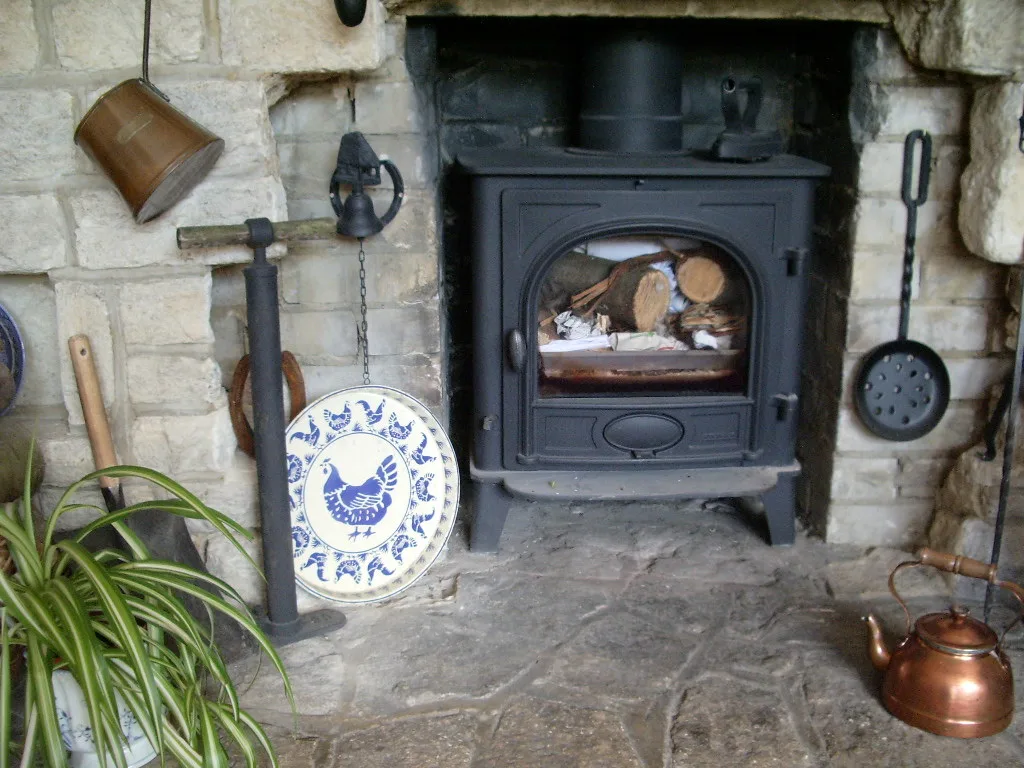
The policy paperwork did the talking this fortnight. Scotland published its long-awaited evidence study on domestic burning, the Climate Change Committee filed its yearly report to Parliament, and Defra logged progress against its environmental targets. None of it changes what you can burn today, but all three tell you where the wind is blowing. Here is what happened and why it matters if you heat with wood.
Scotland’s stove report rules out bans and taxes
The Scottish Government has published new research on the health impact of domestic wood and solid fuel burning, and the headline for owners is that none of the options it models involves banning or taxing log burners. The study attributes around 160 deaths a year and £117 million in costs to domestic solid fuel, but it also finds that mineral fuels do more damage than wood: manufactured solid fuel is linked to 55 deaths and coal to 46, against 58 for wood, despite wood being far more widely burned. Two thirds of the impact sits in just nine of Scotland’s 32 council areas, all urban. The three measures on the table are a public information campaign, fuel quality rules with mandatory chimney sweeping, and targeted appliance upgrades in the worst-affected areas. For anyone burning wood, the signal is the same one the numbers keep sending: the lever regulators reach for is cleaner fuel and cleaner appliances, not confiscation. HETAS covers the report here. Dry wood is the cheapest way to stay clean, and our firewood seasoning time calculator tells you when your logs drop below 20% moisture.
Climate Change Committee report leaves solid fuel out in the cold
The Climate Change Committee’s 2026 progress report to Parliament runs to more than 200 pages, and HETAS’s read is that wood and solid fuel heating barely feature. Where the report looks at off-grid rural homes, it models a single archetype, an off-gas-grid house with an oil boiler, and points everyone towards a heat pump, without weighing solid fuel as an option for the homes where it is the practical choice. The report does flag a capacity gap that undercuts that plan: the UK has fewer than 30,000 qualified heat pump installers against more than 130,000 Gas Safe engineers. It also presses the government to finalise a delayed biomass sustainability framework covering domestic supply and verifiable sourcing. For wood-heat households the practical read is twofold: do not expect national grants aimed your way, and expect what counts as “sustainable” firewood to tighten over time, which makes a Ready to Burn supplier the safe default. HETAS’s analysis is here, and our guide to the Ready to Burn rules explains what the mark actually means.
Defra’s environmental plan reports early air quality wins, consultation still pending
Defra’s latest Environmental Improvement Plan progress report, covering April 2025 to March 2026, ranks air quality as the strongest performer of all its environmental goals, with nine of eleven indicators improving and the 2030 target for fine particle emissions already met: a 46% cut against the 2005 baseline. The report also confirms that the solid fuel burning consultation, which closed in March, is still under review. Its three proposals all bite on new appliances and fuel sales rather than existing stoves: a tighter emissions limit, higher penalties for selling wet wood, and mandatory A to C labelling at the point of sale. HETAS has backed the tougher limits and fines while questioning the current label design, and has lined up an industry roundtable in October to help the trade prepare for the outcome. If a new stove is on your list, this is the case for buying one already built well inside the proposed 1g per hour limit, and for sizing it properly first with our wood burning stove size calculator. HETAS’s write-up is here.
Want the seasoning calendar and our log-price watch in your inbox?
Join the Kindling List