What Moisture Should Firewood Be? The 20% Rule Explained
Ask what moisture should firewood be and there is a single number worth remembering: below 20%. That is the threshold the UK’s Ready to Burn rules are built around, and it is also the point at which wood stops fighting you and starts giving out proper, clean heat. Burn wet wood above that figure and you waste most of its energy boiling off water, coat your glass and flue in tar, and pour smoke into your street. This guide explains where the 20% comes from, why it matters, and how to know your logs have hit it.
The short answer: below 20%, ideally 10 to 20%
Firewood should have a moisture content of 20% or less to burn efficiently and cleanly. Trials at the University of Leeds found that the sweet spot sits between roughly 10% and 20%, which balances easy lighting and strong heat output against burning too fast.
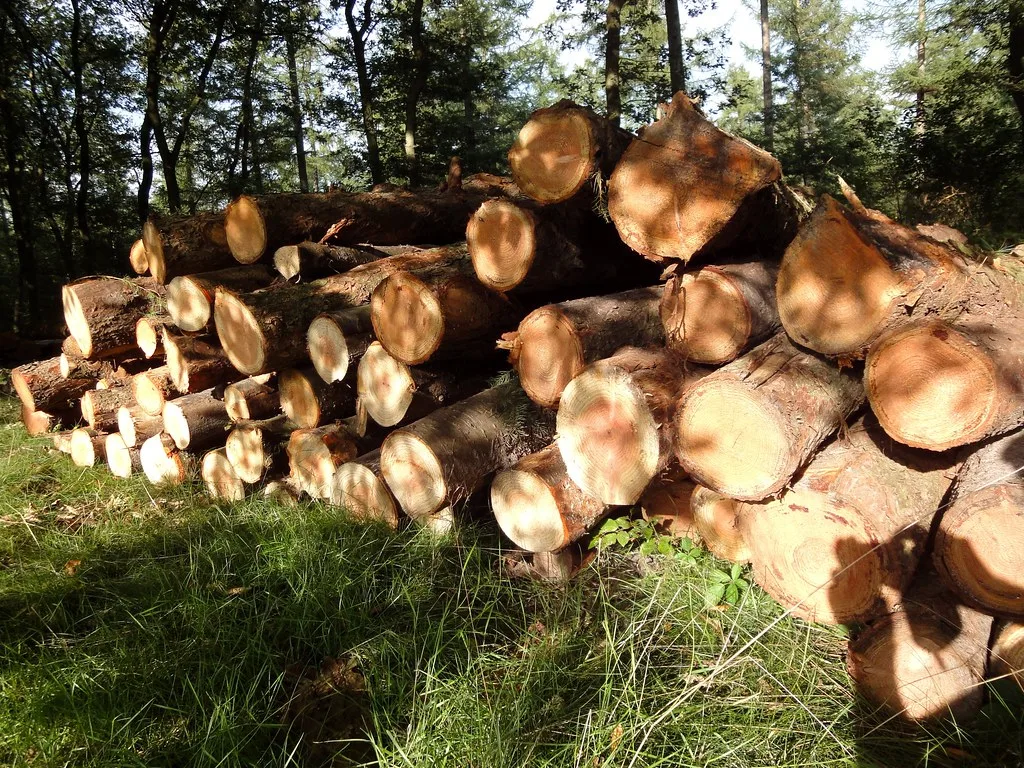
Freshly felled (“green”) wood can be 50% or more water by the wood’s dry mass. Seasoning or kiln drying brings that down. The 20% line is not arbitrary marketing: it is the point where combustion becomes efficient and the harmful byproducts drop off sharply.
Why 20% is the magic number
Water in a log is the enemy of heat. Below 20% moisture, three things go right at once:
- You get real heat. Above 20%, a large share of the fire’s energy is spent evaporating water rather than warming the room. Dry wood puts that energy into the room instead.
- You burn cleaner. Wet wood smoulders and releases far more smoke and particulate pollution. That is why the law targets this figure.
- You protect your stove and flue. Damp wood produces creosote, a tar-like deposit that blackens the glass, lines the chimney and is a genuine chimney-fire risk. Dry wood produces very little.
Go too far the other way, much below 10%, and very dry wood can burn hot and fast, gone before it has done much useful work. This is why 10 to 20% is the practical target rather than “as dry as possible”.
The law behind the number
Since 2021, the UK’s Ready to Burn scheme, run by Woodsure on behalf of Defra, requires wood sold in volumes under 2 cubic metres to be certified at 20% moisture or less. If you buy small quantities of firewood in England, it should carry the Ready to Burn logo, which is your assurance it is dry enough to burn well.
The rule does not stop you seasoning your own logs; it applies to what is sold. If you dry your own, the same 20% target is what you are aiming for. Our guide to the Ready to Burn firewood rules covers the law in full.
How to check your firewood’s moisture
You cannot judge moisture reliably by eye, so use these methods:
- A moisture meter is the only accurate way. Split a log and press the pins into the freshly exposed inner face, not the weathered outside, which reads drier than the core. Our guide on how to use a moisture meter on firewood walks through it, and if you need one, our moisture meter buying guide covers what to look for.
- The tell-tale signs help as a rough check. Well-seasoned wood is lighter, has cracks (checks) radiating from the centre, has a dull rather than fresh colour, and two dry logs knocked together give a sharp crack rather than a dull thud.
For the fastest sanity check, split a log and meter the middle. If it reads 20% or under, it is ready.
How to get your wood down to 20%
If your logs are too wet, the fix is time and airflow:
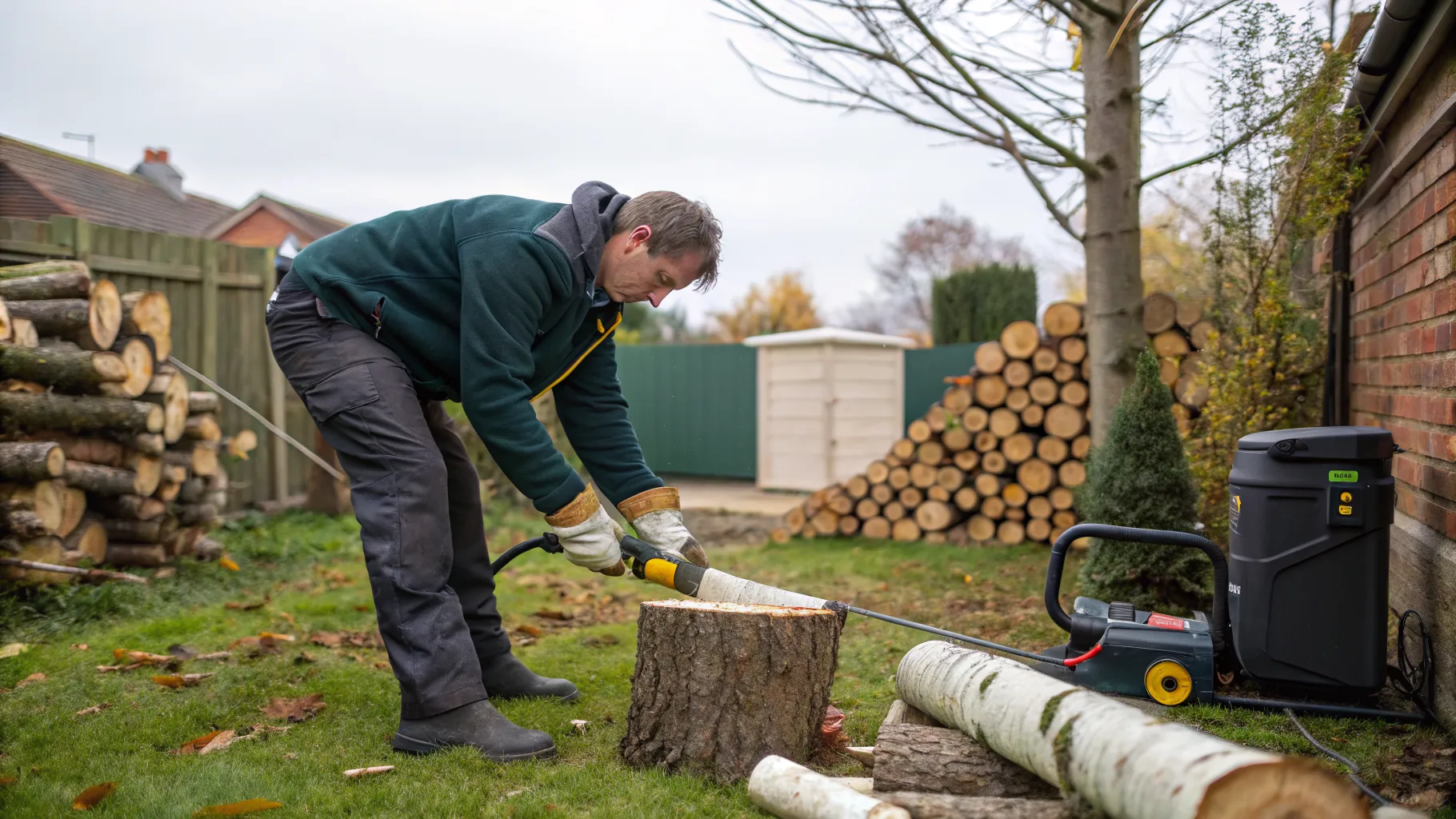
- Season hardwood for one to two years split and stacked, or softwood for around a year.
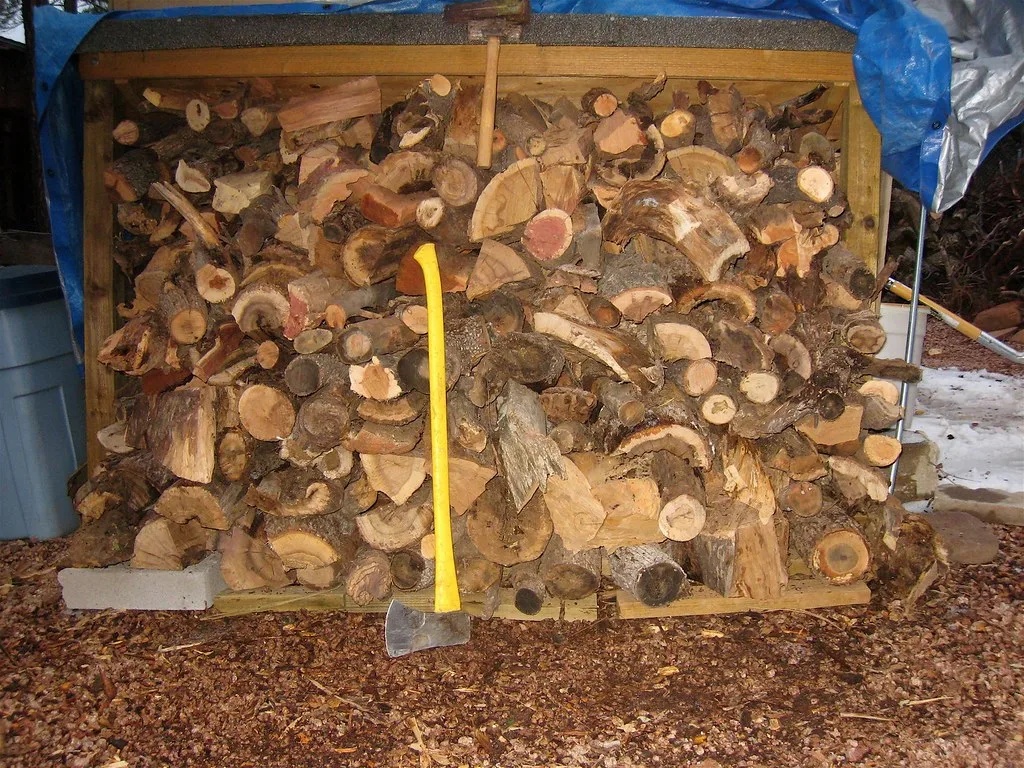
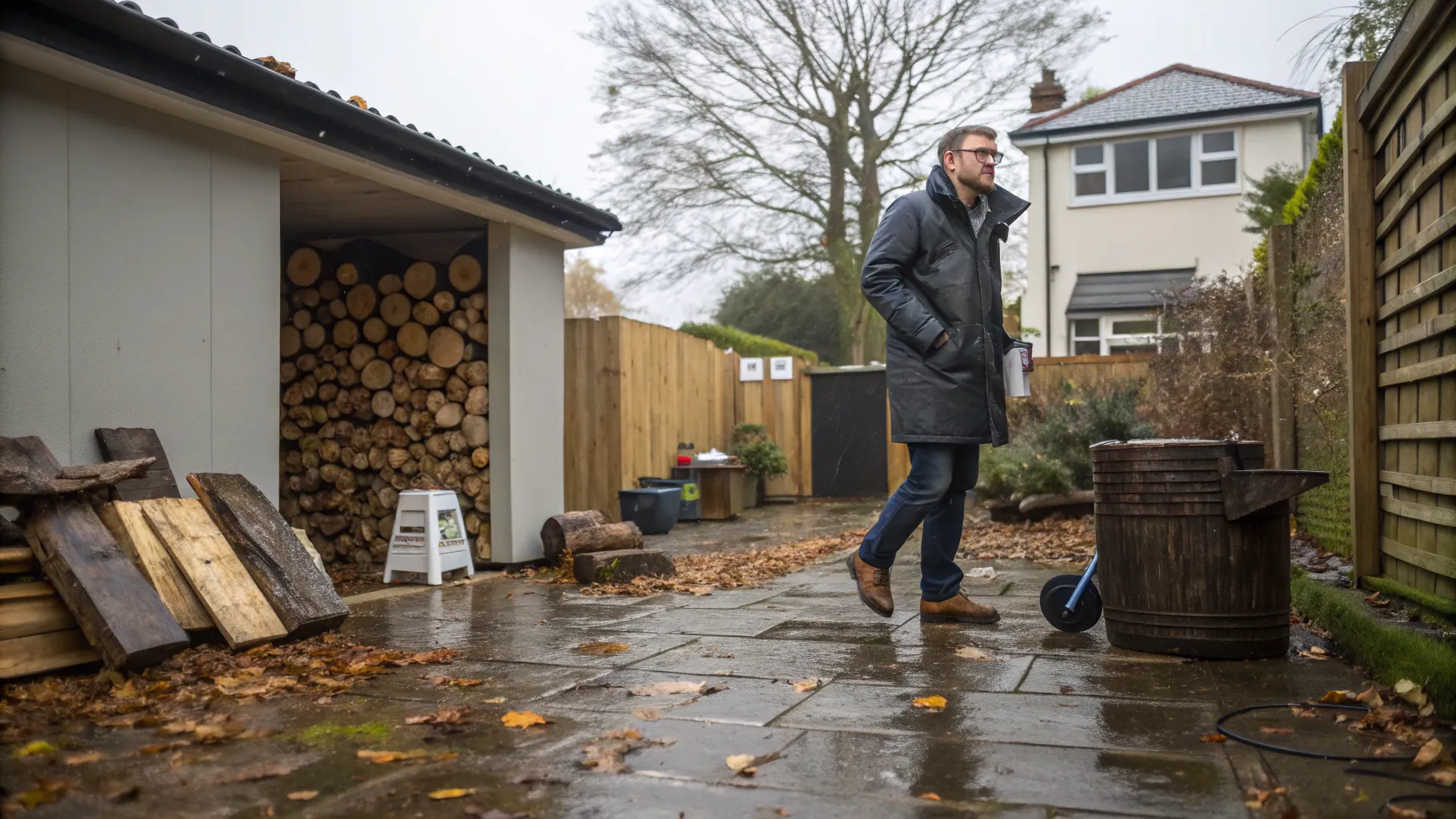
- Stack off the ground with the ends open to the wind and a cover over the top only, so rain runs off but air still moves through. Our guide on how to store logs outside explains the setup.
- Buy kiln-dried logs if you need dry wood now; these are dried to below 20% in a kiln and are ready immediately.
Keep testing with the meter as the stack seasons; the number tells you when it is ready far more reliably than the calendar. For the full method, see our guide to seasoning firewood to under 20%.
For the official standard and to check a supplier is certified, the Ready to Burn scheme website is the authoritative source.
Frequently asked questions
What moisture should firewood be to burn well? Firewood should be at 20% moisture content or below, and ideally between 10% and 20%. Below 20% it burns efficiently and cleanly; above it, much of the fire’s energy is wasted boiling off water, and the wood smokes and produces creosote.
Why does firewood need to be under 20% moisture? Below 20%, wood releases its energy as heat rather than spending it evaporating water, produces far less smoke and particulate pollution, and creates very little creosote to blacken your glass and line your flue. It is also the legal threshold for firewood sold in small quantities under the Ready to Burn scheme.
Can firewood be too dry? Yes, in practice. Wood much below about 10% moisture tends to burn very hot and fast, so it is consumed before giving out much lasting heat. This is why the target is 10 to 20% rather than as dry as possible.
How do I know if my firewood is dry enough? The reliable way is to split a log and press a moisture meter into the freshly exposed inner face. A reading of 20% or below means it is ready. Signs such as cracks in the ends, a lighter weight, a dull colour, and a sharp crack when two logs are knocked together are useful rough indicators.
Is wet firewood illegal to burn in the UK? The Ready to Burn rules restrict the sale of wet wood in small volumes, requiring certified firewood under 2 cubic metres to be 20% moisture or less. Seasoning and burning your own logs is not banned, but the 20% target is still what you should aim for to burn safely and cleanly.
Want the seasoning calendar and our log-price watch in your inbox?
Join the Kindling List