Kiln-Dried Logs vs Briquettes: 4.0 vs 4.9 kWh per kg
The logs vs briquettes argument comes down to one number and one habit. The number is energy per kilogram: kiln-dried logs deliver around 4.0 kWh/kg, wood briquettes around 4.9 kWh/kg. The habit is how you run your stove, because briquettes reward a certain kind of loading and punish another. Most people who try both end up burning both, and this page explains why that is the sensible answer rather than a fudge.
What each one actually is
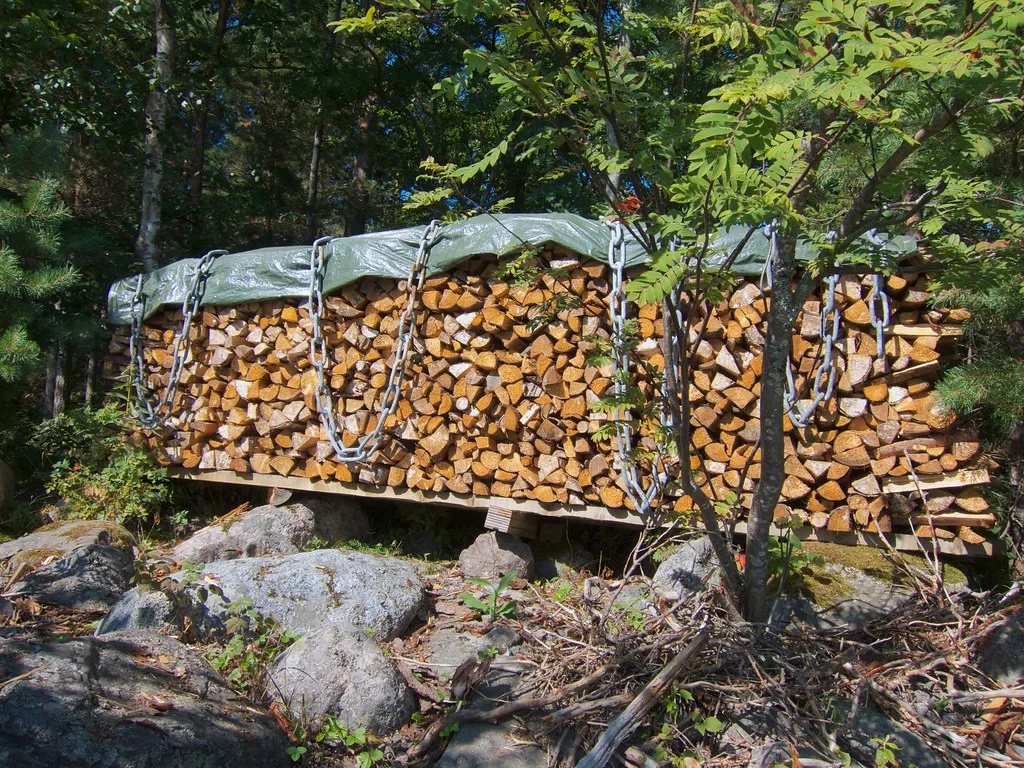
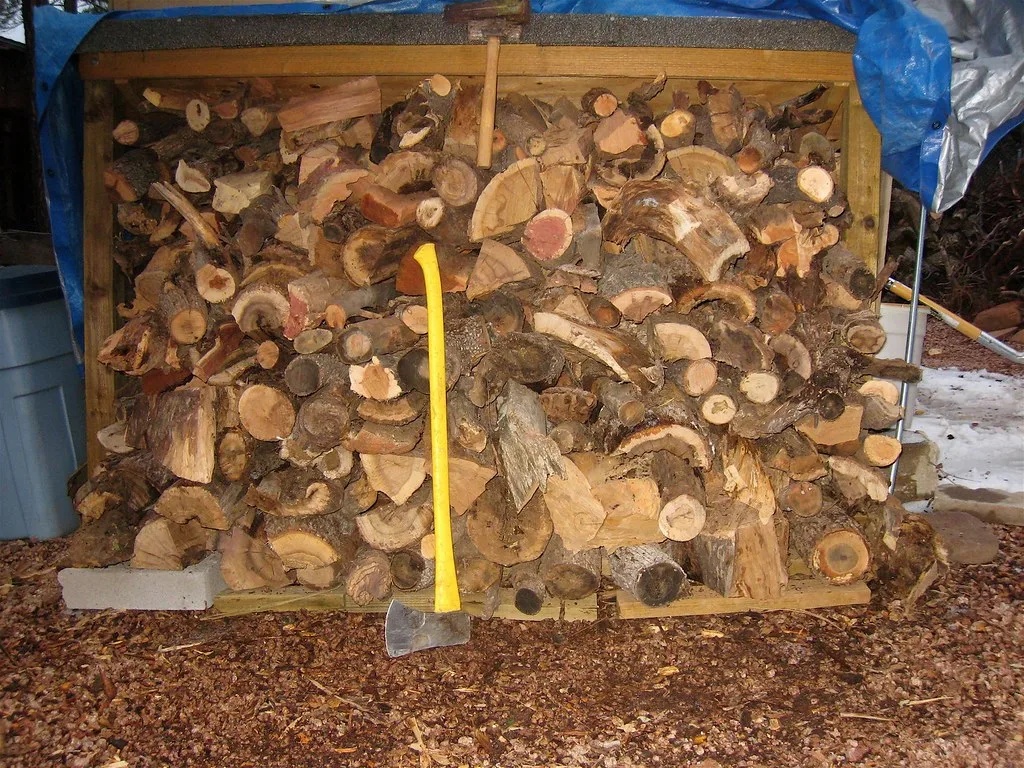
Kiln-dried logs are ordinary firewood, split and then dried in a kiln rather than left in a stack for two summers. The kiln takes the moisture down to a typical 12% to 18%, and the log is otherwise unchanged: same species, same density, same irregular shape.
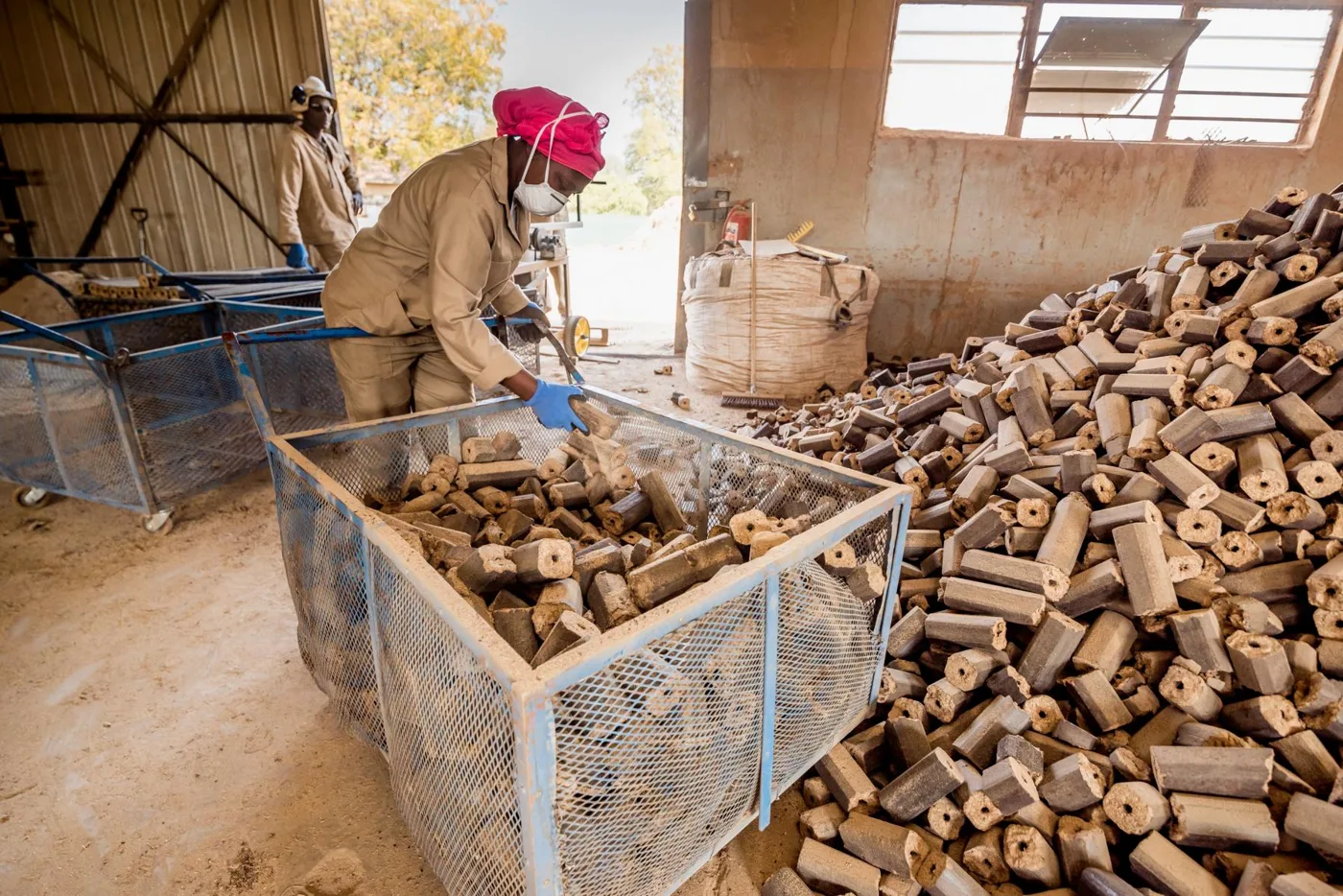
Wood briquettes, sometimes sold as heat logs, are manufactured. Clean sawdust and wood shavings, a by-product of sawmilling, are dried and then compressed under very high pressure into a uniform block. No binder or glue is needed: the lignin in the wood softens under pressure and holds the block together. Typical moisture is 6% to 10%.
The shape names you will see on the bag describe the press that made them. RUF are rectangular bricks. Pini Kay are octagonal with a hole down the middle, which gives more surface area and a quicker, hotter burn. Nestro are plain cylinders. The shape genuinely changes the burn characteristics, so it is worth noting which you liked.
The comparison, line by line
| Kiln-dried logs | Wood briquettes | |
|---|---|---|
| Moisture content | 12% to 18% | 6% to 10% |
| Energy per kg | About 4.0 kWh | About 4.9 kWh |
| Energy per cubic metre of storage | Lower | Much higher |
| Consistency | Varies by species and log | Identical every time |
| Lighting | Easy, splits well for kindling | Harder from cold, needs good kindling |
| Burn behaviour | Predictable, visible flame | Expands, can burn very hot |
| Ash | Moderate, varies by species | Generally low |
| Storage | Bulky, needs airflow | Compact, must stay bone dry |
| The look | Real flame, real fire | Duller flame, more glow |
Two things in that table matter more than the rest.
Energy per unit of storage space is where briquettes win by a distance. Average UK hardwood is around 700kg per solid cubic metre and softwood around 500kg, whereas briquettes are compressed to a much higher density. Put that alongside the higher energy per kilogram, and a briquette stack holds far more heat than the same shelf filled with logs. If you live in a terrace with a small shed or you are storing fuel in a garage, this is often the deciding factor on its own.
Consistency is the other one. Every log is different: species, size, how well it dried, whether it sat in the rain on the way to you. Briquettes are a manufactured product with a specification. If you like a fire you can predict, that is worth something.
Where briquettes catch people out
Three things, and all three are avoidable once you know.
They expand. A briquette swells as it burns, sometimes considerably. Load a firebox to the brim with them and you can end up with fuel pressing against the glass or the door. Fill to about half to two thirds of what you would use in logs, and add more when there is room.
They can overfire a stove. Low moisture plus high density plus a wide open air control equals a lot of heat very quickly. On a small stove in a well-insulated room, a full load of briquettes with the air open can push the appliance past its rated output. Get the fire established, then close the air down to where you would run logs and let them work slowly. Our wood burner air vent calculator helps with the settings, and the stove size calculator covers whether your output is matched to the room in the first place.
They hate damp. A kiln-dried log that spends a wet week outside recovers. A briquette that gets damp swells, crumbles and is finished. Briquettes must be stored indoors or in a genuinely dry, sealed store. If your log store is an open-sided shed, briquettes are the wrong fuel for it.
Where logs still win
Lighting the fire. A cold stove wants small, dry, easily lit fuel and a bit of structure to let air through. Split kindling and a few small logs do that naturally. Briquettes are dense blocks that do not want to catch from a firelighter alone. The practical answer for briquette users is to keep kindling and a couple of small logs to establish the fire, then switch. See how to make kindling if you are splitting your own.
The flame. This is not a technicality, it is the reason most people have a stove. Logs give a taller, livelier flame with visible movement. Briquettes settle into a strong, even glow with less of a show. If you sit and watch the fire, you will notice.
Cost per kWh, sometimes. Briquettes are typically sold by weight and logs by volume, which makes direct comparison hard on the shop page. Do the arithmetic on delivered pence per kWh rather than pence per kilo or per net. Our firewood price comparison calculator and heat comparison calculator exist for exactly this, because the answer flips depending on supplier, delivery charge and how much you buy at once.
Both must be Ready to Burn, and here is what that means
Since the Air Quality (Domestic Solid Fuels Standards) (England) Regulations 2020 came in, phased between May 2021 and 2023, wood sold in England in volumes under 2 cubic metres must have a moisture content of 20% or less and carry the Ready to Burn logo. Wood sold in larger volumes can still be supplied wet, but must come with information about drying it below 20% before you burn it.
Manufactured solid fuels, which includes briquettes, are covered by the same regulations but on different criteria: a sulphur content below 2% on an ash-free dry basis, and smoke emission below five grams an hour, with certification by an approved body to demonstrate it. So a Ready to Burn logo on a bag of briquettes is telling you something different from the same logo on a net of logs, and both are worth having.
If you burn in a smoke control area, the fuel rules sit alongside the appliance rules, and burning unauthorised fuel can bring a fine of up to £1,000. Our Ready to Burn rules page covers the detail, and the regulations themselves are on legislation.gov.uk.
One thing the logo does not do is guarantee the moisture level when the fuel reaches your hearth. Wood sold at 18% and then stored in a damp garage for four months will not still be at 18%. Check it yourself with a meter before you blame the supplier, using the method in how to use a moisture meter.
So which should you buy?
Buy kiln-dried logs if: you want the traditional fire and the flame picture, you have outdoor storage with airflow, you light the stove from cold most days, or your stove is small and easy to overfire.
Buy briquettes if: storage space is tight, you want predictable output, you burn overnight and want a long steady heat, or you are carrying fuel up stairs and through a flat.
Buy both if you burn regularly, which is what most experienced stove users settle on. Kindling and a couple of logs to establish the fire, briquettes to hold it, and logs again in the evening when you want something to look at. That combination gets the storage efficiency of briquettes without giving up the part of a wood burner people actually enjoy.
For specific products, our roundups of the best kiln-dried logs and best wood briquettes go through what is available in the UK, and there is a separate guide to night briquettes if the overnight burn is what you are after.
Frequently asked questions
Which gives out more heat, briquettes or kiln-dried logs? Briquettes, per kilogram and per unit of storage space. Briquettes are around 4.9 kWh/kg against roughly 4.0 kWh/kg for kiln-dried logs, mainly because their moisture content is 6% to 10% rather than 12% to 18%. Their much higher density widens the gap further when you compare by the shelf rather than by the kilo.
Do wood briquettes damage a stove? Not if used sensibly. The risk is overfiring, because a full firebox of dense, very dry fuel with the air control open can push a stove beyond its rated output. Load to about half to two thirds of what you would use in logs, and close the air down once the fire is established.
Why do briquettes get bigger when they burn? They are made by compressing sawdust under very high pressure, and as the block heats, that compression releases and the fibres swell. It is normal, and it is why you should never pack a firebox full of them. Leave room for expansion so nothing presses against the glass or the door.
Can you store briquettes outside? No, not in an open log store. Briquettes absorb moisture readily and swell and crumble when they get damp, and once that happens they are unusable. They need indoor or fully sealed dry storage. Kiln-dried logs are far more forgiving and want airflow rather than a sealed space.
Are wood briquettes cheaper than logs? It depends on the supplier and how you compare. Briquettes are usually sold by weight and logs by volume, so the only fair comparison is delivered cost per kWh. Work it out for the specific products you are looking at rather than assuming, because the answer changes with delivery charges and order size.
Do briquettes need to be Ready to Burn certified? Yes, in England. Briquettes count as manufactured solid fuels under the 2020 regulations, so they must be certified as below 2% sulphur and emitting under five grams of smoke an hour, tested by an approved body. Look for the logo on the bag, and note it means something different from the same logo on firewood.
Want the seasoning calendar and our log-price watch in your inbox?
Join the Kindling List