Firewood Weight Calculator: What Does a Load of Logs Weigh?
What a load of logs weighs depends on two things: the species and how wet the wood is. Freshly felled hardwood can be half water by weight, so the same bulk bag can weigh far more before seasoning than after. This calculator estimates the weight of any load by species, moisture content and how it is measured, shows how many kilograms of that load are water, and works out how many trips it takes if you are collecting in a van, a car or on a trailer.
Work out what your logs weigh
How the calculator works
Every species has a typical dry wood density: how many kilograms of actual wood fibre sit in a cubic metre of fresh timber. Ash, beech and oak are dense; poplar, willow and spruce are light. The calculator adds the water implied by your moisture reading on top of that dry weight, and allows for the few per cent that timber shrinks as it dries below the point where the cell walls start to give up water.
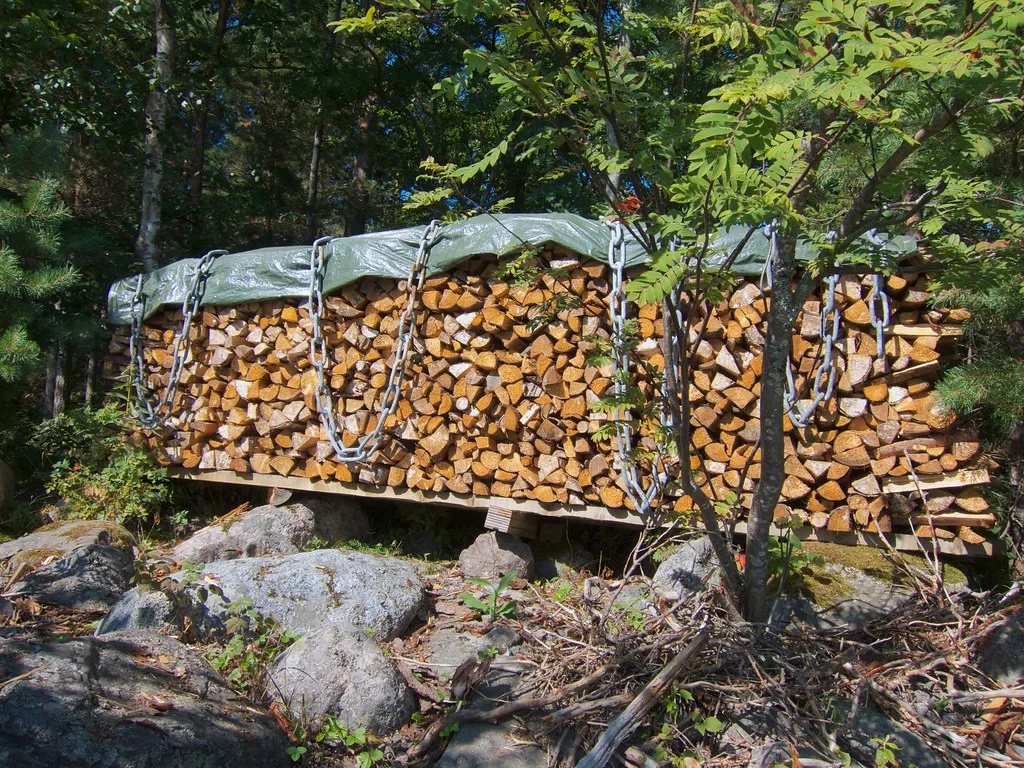
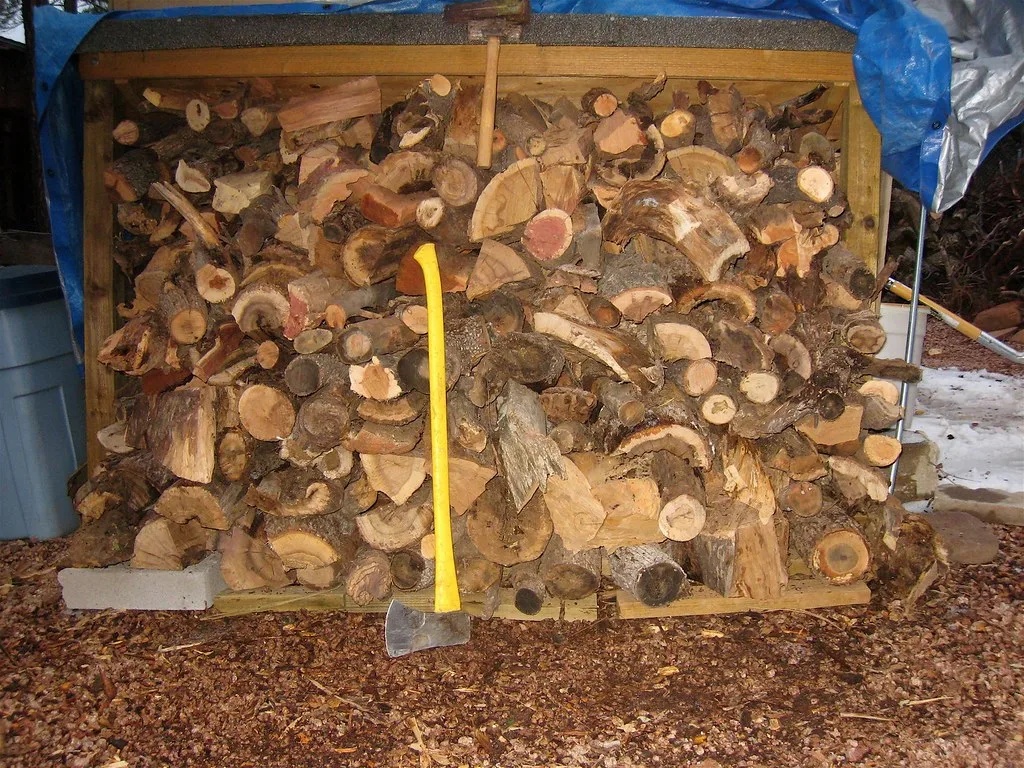
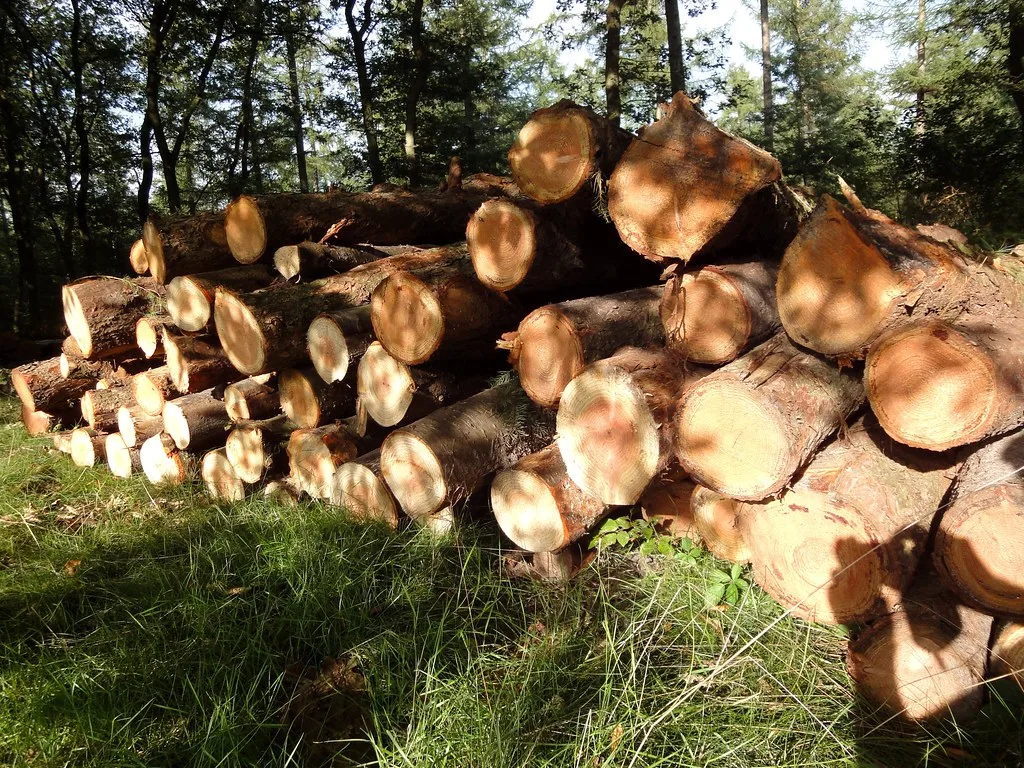
That gives the weight of a solid cubic metre. Logs are never solid, though. A neat stack is roughly two thirds wood and one third air, and a tipped loose load has even more air in it, so the calculator scales down for the way your wood is measured. The stacking factors match our firewood volume converter, so the two tools agree.
Why the moisture figure matters so much
Moisture content here is the wet basis figure: the share of the log's total weight that is water, which is what most pocket moisture meters display. At 50% half the weight of a log is water. Dry that same log to 20% and it loses more than a third of its weight, yet the heat in the wood fibre has not gone anywhere. That is why buying wet logs by weight is poor value, and why a heavy, cheap bulk bag is often the dearest one per unit of heat. Our moisture content calculator and price comparison calculator go further on both points.
Collecting logs yourself
If you are fetching firewood in a car, van or on a trailer, the weight is what limits you, not the space. A loose load of wet hardwood can reach a vehicle's payload long before the load bed looks full. Check the payload figure for your vehicle, and for a trailer check both the trailer's own maximum weight and your car's towing limit, then use the trips figure above to plan. Spread the load evenly and keep the heaviest wood low and over the axle.
Limits of the estimate
Densities vary from tree to tree and even within one trunk, and how tightly logs pack depends on their length and how finely they are split. Treat the result as a fair working estimate, good to plan a trip or sense-check a delivery, rather than a weighbridge figure. If a merchant states a weight on the delivery note, that is the number to trust.
Want the seasoning calendar and our log-price watch in your inbox?
Join the Kindling List