Kindling Cracker vs Cheap Clones: Is the Original Worth It?
The Kindling Cracker made splitting kindling genuinely safe: you drop a log inside a cast iron ring, tap the top with a blunt object, and a fixed blade splits it without your hands ever going near the edge. Its success spawned a wave of look-alikes, so the obvious question is whether the branded original is worth paying for or whether a cheaper Kindling Cracker alternative does the same job. The answer is more interesting than a straight yes or no, because it hinges on the type of cast iron, not just the badge.
If you want the full standalone verdict on the branded unit, see our Kindling Cracker review. This page is about how it stacks up against the clones.
Why the design is worth having at all
Before the branded-versus-clone question, it is worth saying that any well-made version of this tool beats swinging a hatchet at small pieces of wood. You keep both hands clear of the blade, you use a controlled downward tap rather than a swing, and children and older users can make kindling far more safely. The design is the safety feature; the brand is a separate question.
The original Kindling Cracker: what you pay for
The genuine Kindling Cracker is cast in Australia from solid cast iron in one piece, with the splitting wedge held inside its patented safety ring, and it carries a multi-year warranty. What the money buys you is consistency: a cleanly cast body with no weak spots, a properly sharp and durable wedge, and a brand that will honour a warranty if something goes wrong. Looked after, it is a buy-once tool.
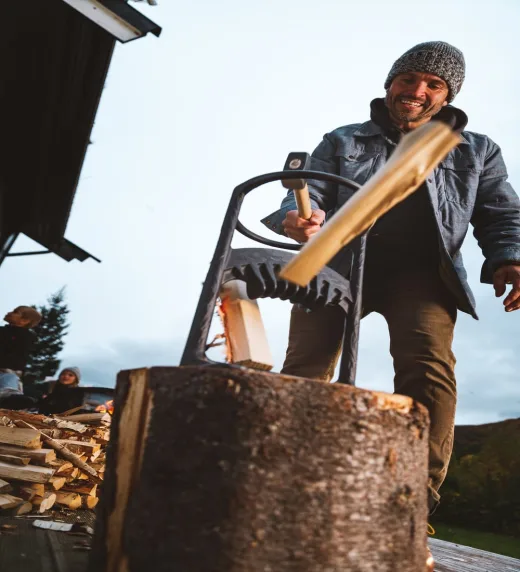
If you burn larger logs or want to make bigger kindling, the King XL version has a taller, wider ring for chunkier pieces.

The clones: where they differ
Clones copy the shape but not always the substance, and they fall into two very different camps.
Cheap, no-name grey cast iron clones are the real gamble. Ordinary grey cast iron is brittle, and a poorly cast, ultra-budget unit can arrive with a dull wedge, rough finish, or a body that cracks under repeated hammer blows, which is exactly the failure these tools are prone to. Save a little upfront and you can end up buying twice.
Reputable ductile iron alternatives are a different story, and this is the part most comparisons miss. Ductile iron (also called nodular cast iron) is tougher and far less brittle than the grey cast iron the original uses, so it resists cracking on impact better. A well-made ductile iron splitter from a known brand can genuinely be a smart buy rather than a compromise. The Forest Master USAB is a UK-available heavy-duty splitter cast in ductile iron for exactly this reason.
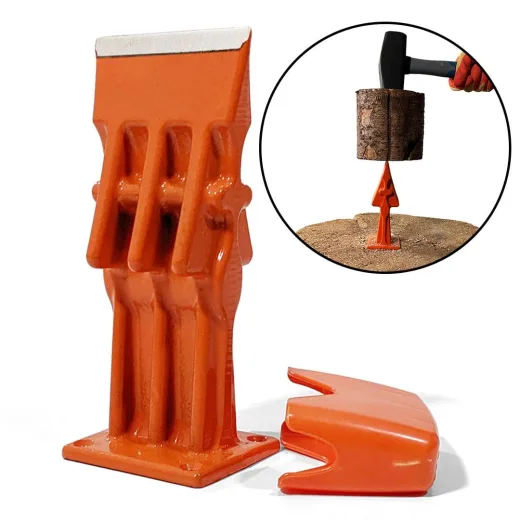
So “clone” is not automatically “worse”. A branded ductile iron unit can outlast a brittle grey iron one, including the original, when it comes to surviving heavy, repeated use.
Other alternatives worth knowing
If you are open to a different mechanism rather than a straight ring splitter:
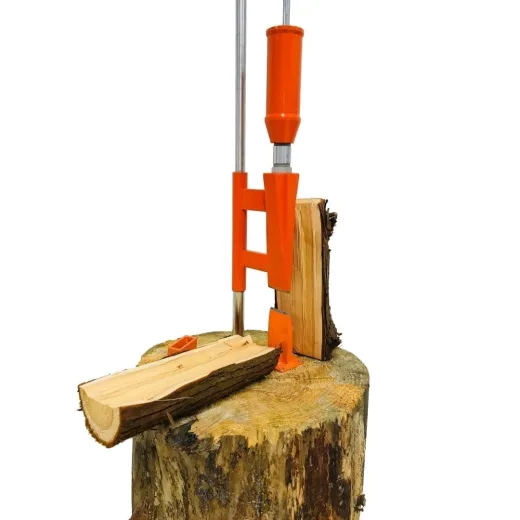
- Drop-weight splitters like the Forest Master Smart Splitter use a sliding weight you lift and drop, keeping your hands even further from the blade and handling awkward or knotty pieces well. Read our Forest Master Smart Splitter review for the detail.
- Wall-mounted softwood kindling makers such as the Stikkan are a neat, minimal option if you mostly split dry softwood offcuts.
The verdict
Buy the original Kindling Cracker if you want the safest bet: proven casting quality, a sharp wedge and a warranty to fall back on. Choose a reputable ductile iron alternative like the Forest Master USAB if you want a tougher body that shrugs off heavy use, potentially for less money. Avoid the cheapest no-name grey iron clones, which are the only genuinely false economy here. In short, the original is worth it, but it is not the only good answer, and the material matters more than the brand.
Confirm current specifications on the manufacturer’s own pages, such as the official Kindling Cracker site, and check the current price before buying, as models and stock change.
Frequently asked questions
Is the original Kindling Cracker worth the money? Yes, if you value reliability. You pay for consistent casting quality, a sharp and durable wedge, and a multi-year warranty, which makes it a buy-once tool for most people. The main reason to look elsewhere is that a good ductile iron alternative can be tougher against cracking, sometimes for less.
Are cheap Kindling Cracker clones any good? It depends entirely on the material and maker. Cheap no-name grey cast iron clones are a gamble and can arrive dull or crack under use. Reputable alternatives cast in ductile (nodular) iron are genuinely tough and can be a smart buy, so judge by the material and brand, not just the low price.
What is the best Kindling Cracker alternative? For durability, a ductile iron splitter such as the Forest Master USAB is a strong choice because ductile iron resists impact cracking better than the grey cast iron of the original. If you prefer a different mechanism, a drop-weight splitter like the Forest Master Smart Splitter keeps your hands even further from the blade.
Why do cast iron kindling splitters crack? Ordinary grey cast iron is brittle, so repeated hammer blows, dropping the unit, or a poor casting with hidden weak spots can cause it to crack. This is why casting quality matters, and why tougher ductile iron alternatives are less prone to fracturing under heavy use.
How do I look after a cast iron kindling splitter? Keep it dry, clean it with a stiff brush and warm soapy water when needed, and wipe it occasionally with a light oil to prevent rust. Use a blunt striker such as a lump hammer or a log, not a fine tool, and it will last for many years.
Want the seasoning calendar and our log-price watch in your inbox?
Join the Kindling List